No products in the cart.

Investing in the New Geography of U.S. Prosperity

Discover the changing landscape of U.S. prosperity and where companies should invest. Explore emerging hotspots like Ann Arbor and Frederick.

“`html
The New Geography of Prosperity: A Paradigm Shift
For much of the twentieth century, corporate planners had a clear playbook: New York provided capital, the Midwest produced steel, and the West Coast led in technology. This model relied on three main factors—steady population growth, a reliable talent pipeline, and manageable climate risks. Today, these factors are changing. Birthrates are at historic lows, leading to an aging workforce that schools and training programs can’t keep up with. Climate volatility is now a pressing issue, affecting insurance markets, infrastructure, and supply chains. Additionally, the rise of artificial intelligence is concentrating economic power in cities with strong tech ecosystems.
In this new landscape, prosperity is not just about location and industry. It involves a mix of people, technology, institutions, and the environment. The traditional map of economic hubs is being reshaped by unexpected forces. Cities like Ann Arbor, Michigan, and Frederick, Maryland, ranking among the top ten in civic viability, highlight this shift. Leaders who stick to old city rankings risk missing new growth opportunities.
Decoding the Geography of Prosperity Index
The Geography of Prosperity Index goes beyond typical “best-city” lists. It assesses long-term civic viability across 250 U.S. metropolitan areas by analyzing demographic trends, economic diversity, education levels, innovation capacity, and institutional resilience. This approach captures not just current wealth but also future sustainability.
Demographics and Workforce Dynamics
The index highlights low birthrates as a significant issue. Areas with higher fertility rates, often smaller college towns with supportive family policies, score better. In contrast, sprawling Sun-belt cities that depend on in-migration see their scores decline if those inflows slow. Aging populations also impact scores: cities investing in healthcare, lifelong learning, and flexible labor regulations perform better.
Cities like San Jose, Seattle, and Boston, with strong networks of research universities and high-skilled talent, attract most AI investments.
Economic Structure and Innovation
You may also like
 News
NewsNPS Rules Revised: Impact of Higher Withdrawal Limits on Corporate Subscribers
The recent changes to NPS rules allow corporate subscribers greater flexibility in withdrawals, significantly affecting their retirement planning strategies. Here's what you need to know.
Read More →Artificial intelligence is a key factor in the index’s innovation rankings. Cities like San Jose, Seattle, and Boston, with strong networks of research universities and high-skilled talent, attract most AI investments. Conversely, cities focused on administrative and service jobs, which are more vulnerable to automation, score lower. The index favors places with strong technical capabilities, combining talent, research institutions, and supportive policies.

Institutional Strength and Climate Resilience
Strong institutions—measured by governance transparency, fiscal health, and regulatory flexibility—help cities manage climate risks. Areas with proactive climate plans, diverse energy sources, and solid emergency management are better at retaining businesses during extreme weather. The index shows that many mid-size cities in the Great Lakes and Mid-Atlantic, often overlooked for coastal megacities, rank higher due to their moderate climate risks and proactive policies.
Emerging Investment Hotspots: Beyond the Conventional
When the index’s top ten list was released, many wondered how Frederick made the cut. The answer lies in three key factors: high-quality education, a vibrant innovation ecosystem, and a livable environment that reduces climate risks.
Ann Arbor, Michigan: A Blueprint for Talent Retention
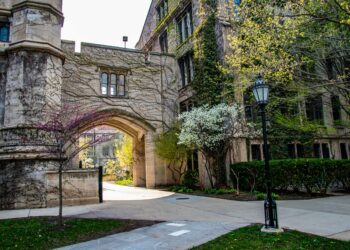
Home to the University of Michigan, Ann Arbor has a strong talent pool in engineering, health sciences, and data analytics. Its focus on “innovation districts” has attracted biotech startups and advanced manufacturing firms that value access to research labs and skilled graduates. Additionally, Ann Arbor’s moderate climate risk and proactive zoning policies protect it from the insurance volatility affecting coastal cities.
Third, they need to collaborate with local education providers to fund programs that address the skills gap caused by automation, especially in service-heavy regions.
Frederick, Maryland: The Quiet Power of Institutional Synergy
Frederick’s location between Washington, D.C., and Baltimore provides access to federal research funding while maintaining a small-city lifestyle. Local colleges and universities supply skilled workers for growing sectors like cybersecurity and health tech. The city’s government has also embraced green infrastructure initiatives, reducing long-term climate risks and attracting firms focused on ESG compliance.
You may also like
 Career Development
Navigating Non-Clinical Careers in Healthcare Administration
Explore diverse non-clinical roles in healthcare administration, from hospital management to health tech operations, along with essential skills and projects to boost your career.
Read More →
Why These Cities Outperform Traditional Hubs
- Education-driven growth: Strong university connections create a cycle of talent, research, and new companies.
- Agile institutions: Local governments that quickly adapt zoning and infrastructure attract private investment.
- Quality of life: Lower housing costs, shorter commutes, and cultural amenities help retain employees who might leave for expensive megacities.
Strategic Imperatives for Investors
To future-proof their portfolios, companies should adjust capital allocation in three ways. First, they should focus on AI-related activities in cities with strong technical capabilities to keep R&D close to talent. Second, they should invest in mid-size cities with high scores in institutional resilience and climate adaptation to protect against supply chain disruptions. Third, they need to collaborate with local education providers to fund programs that address the skills gap caused by automation, especially in service-heavy regions.
Beyond Cities: Sectoral Opportunities in Emerging Ecosystems
The index also highlights niche sectors thriving in these new hotspots. For example, Ann Arbor’s health-tech research and stable climate make it ideal for telemedicine platforms. Frederick’s proximity to federal agencies creates opportunities for defense-related AI firms that need secure, low-risk locations. Investors who identify these micro-clusters can benefit from opportunities that traditional city-wide metrics might overlook.
Strategic Perspective: Investing in the Changing Landscape of U.S. Prosperity
The geography of American prosperity is evolving. Companies that rely on outdated rankings risk investing in places with declining systems. By using the Geography of Prosperity Index as a guide, executives can find cities where people, technology, and institutions align to create lasting advantages.
This means looking beyond flashy megacities to find “quiet powerhouses” that excel in education, institutional agility, and climate resilience.
This means looking beyond flashy megacities to find “quiet powerhouses” that excel in education, institutional agility, and climate resilience. It also involves investing in the workforce that drives AI adoption—by funding coding bootcamps, supporting university partnerships, or sponsoring retraining programs for workers in service-heavy economies.
You may also like
 Business Insights
Virtual Gems, Real Stakes: How the Metaverse Is Redefining Luxury Jewelry Ownership
The analysis argues that NFTs and immersive metaverse platforms are converting luxury jewelry authenticity into programmable assets, fundamentally altering capital flows, talent pipelines, and institutional…
Read More →<img width="1024" height="819" src="https://careeraheadonline.com/wp-content/uploads/2026/03/BY-R0UNRE7w-2-1024×819.jpg" class="oaa-inline-image" alt="" style="display:block; margin:20px auto; max-width:100%; height:auto; border-radius:8px;" decoding="async" srcset="https://careeraheadonline.com/wp-content/uploads/2026/03/BY-R0UNRE7w-2-1024x