No products in the cart.

Is Higher Education Still Worth It in 2025? A Data-Driven Examination
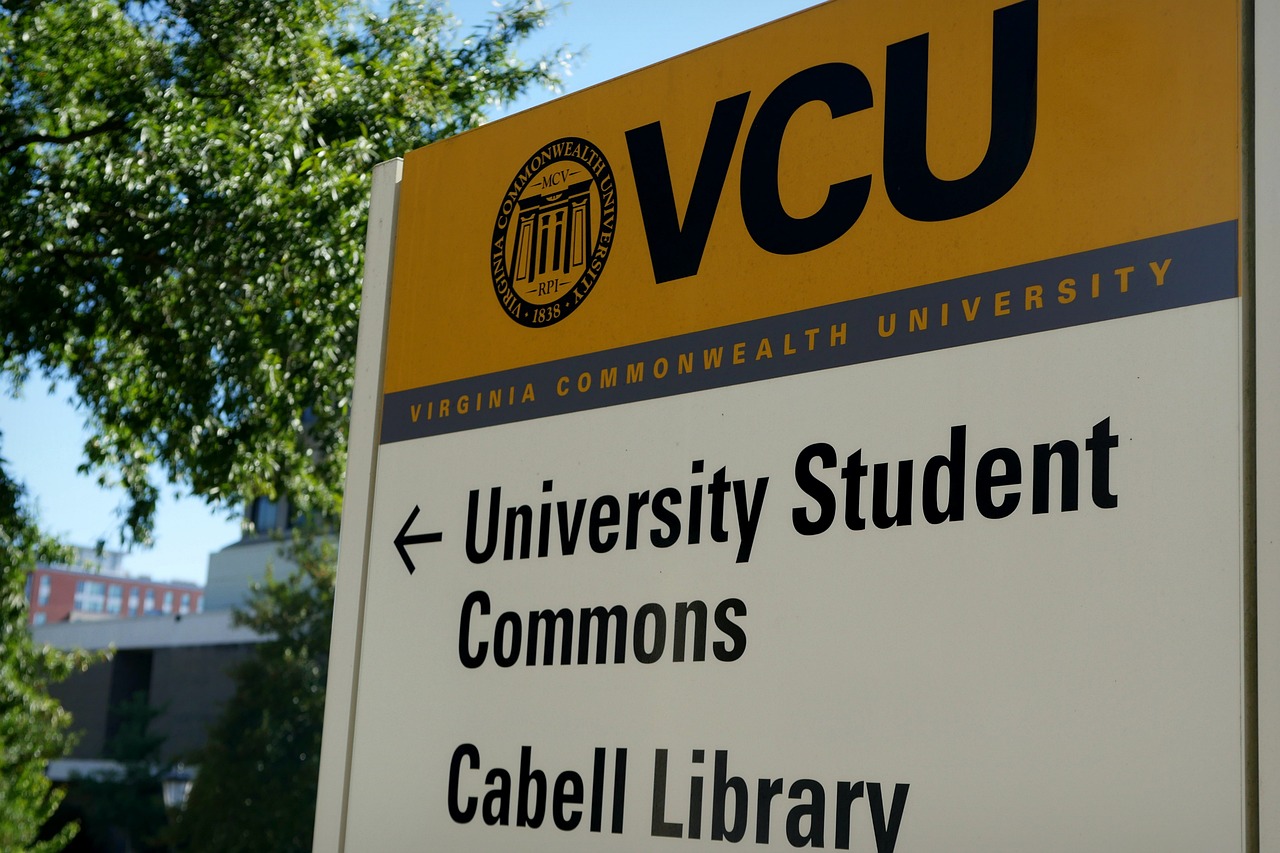
As tuition costs soar and alternative career paths multiply, 2025’s data reveals a nuanced picture of higher education’s value. This analysis unpacks wage premiums, return on investment, and shifting global attitudes toward college.

Washington, D.C. — In 2025, the question of whether higher education still delivers a meaningful return on investment (ROI) confronts students, families, and policymakers worldwide. Recent data from the U.S. Bureau of Labor Statistics shows that workers with a bachelor’s degree earn a median weekly wage of $1,415, compared to $781 for those with only a high school diploma—a 81% wage premium[1]. This premium remains the cornerstone argument for college attendance, despite rising tuition costs and student debt levels that now exceed $1.8 trillion nationally. Globally, the picture is more complex. A 2025 OECD report highlights that in countries like Germany and South Korea, vocational training and apprenticeships offer competitive early-career earnings, challenging the primacy of traditional university pathways[2]. Meanwhile, a new analysis by the Georgetown University Center on Education and the Workforce recalculates the long-term ROI on bachelor’s degrees, factoring in inflation, opportunity costs, and changing industry demand, finding that the average payback period extends beyond 15 years for many majors[3]. Why this matters now is clear: young adults worldwide face a rapidly evolving labor market shaped by AI automation, remote work, and rising living costs. Their education choices will influence not only individual economic security but also national productivity and social equity. This report explores the latest wage data, global education trends, and the shifting calculus of higher education’s value in 2025.
The Wage Premium Remains, but the Gap Narrows
Data from the U.S. Bureau of Labor Statistics (BLS) confirms that, on average, college graduates continue to out-earn their peers without degrees. In 2024, the median annual wage for bachelor’s degree holders was $73,580, compared to $40,600 for high school graduates[1]. However, the wage premium has not grown significantly in recent years, suggesting that the benefits of a degree may be plateauing. Several factors contribute to this trend. Automation is reshaping entry-level jobs traditionally held by non-degree workers, pushing wages upward in some sectors. Conversely, college graduates face increased competition and credential inflation, with some jobs requiring advanced degrees or specialized certifications. Furthermore, wage disparities by major are stark: STEM graduates often see payoffs within 10 years, while humanities majors may wait 20 or more years to recoup education costs. These dynamics have prompted economists to question whether the degree itself or the field of study is the primary driver of economic advantage. The National Center for Education Statistics notes that in 2023, STEM fields accounted for 35% of bachelor’s degrees but 60% of the wage premium[4]. This divergence underscores the need for prospective students to weigh not just the cost of education, but the economic landscape attached to their chosen discipline.

 Digital Learning
Bridging the Digital Divide: Connecting Skills, Strategy and Opportunity
Nanyang Technological University in Singapore is spearheading efforts to bridge the digital divide. By fostering skills and strategies, they aim…
Read More →This divergence underscores the need for prospective students to weigh not just the cost of education, but the economic landscape attached to their chosen discipline.
Global Perspectives: Vocational Training vs. University Degrees
Across Europe and Asia, alternative education pathways challenge the U.S.-style four-year college model. Germany’s dual education system combines apprenticeships with classroom instruction, leading to low youth unemployment rates (5.6% in 2024) and competitive starting salaries averaging €40,000 annually[2]. South Korea’s investment in vocational high schools has similarly produced robust early-career wages and rapid job placement. These models illustrate that higher education’s value varies by country and economic structure. In nations with strong vocational systems, the wage premium for university graduates often narrows as practical skills gain market recognition. The OECD’s 2025 Education at a Glance report argues that countries must balance academic and vocational training to meet evolving labor demands, especially as AI and green technologies transform industries.
For global youth, this means education decisions are increasingly multifaceted. The World Economic Forum’s Future of Jobs Report 2025 highlights that 65% of children entering primary school today will work in job types that do not yet exist, making adaptability and continuous learning critical skills beyond any initial degree choice.
Calculating the Return on Investment More Precisely
Traditional ROI calculations for higher education have focused on wage premiums versus tuition and lost earnings during study years. The Georgetown University Center’s 2025 analysis introduces a more nuanced approach, incorporating inflation, opportunity costs, student loan interest, and potential underemployment post-graduation[3]. The findings reveal that for the median bachelor’s degree holder, the break-even point—when earnings surpass the total cost of education—now averages 15 to 20 years, depending on major and institution type. Public universities and community colleges offer better ROI for many students than private institutions with higher tuition fees. This extended payback period raises questions about the financial strain on graduates and the sustainability of current education financing models. Moreover, underemployment remains a significant concern. The 2024 National Student Clearinghouse report found that 42% of recent graduates work in jobs that do not require a bachelor’s degree, diluting the expected wage premium and prolonging financial recovery[5]. This trend is particularly pronounced among liberal arts majors and those without additional certifications or experience.

 News
NewsThe Future of Mental Health Apps: What You Need to Know
Discover how mental health apps are changing the landscape of therapy and what it means for you.
Read More →Voices from Policy and Industry
Policymakers face mounting pressure to reform higher education funding and expand vocational and technical training. U.S. Secretary of Education Miguel Cardona emphasized in a 2025 Senate hearing the need to “align education pathways with labor market realities” to ensure equitable access and economic mobility. Meanwhile, major employers like Microsoft and Amazon have increased investments in apprenticeship programs and skills-based hiring, signaling a shift away from degree-only requirements. According to a 2025 LinkedIn Economic Graph report, 45% of hiring managers now prioritize demonstrable skills and certifications over formal degrees for mid-level roles, a 12% increase since 2022. This evolution challenges educational institutions to adapt curricula and credentialing to maintain relevance. Universities are expanding micro-credentials, online certificates, and partnerships with industry to provide flexible, career-aligned learning options.
Looking Ahead: Navigating Education Choices in a Dynamic Labor Market
In 2025, higher education remains a valuable asset for many but no longer guarantees rapid financial returns. Prospective students must consider the interplay of major choice, institution cost, labor market trends, and alternative pathways. The growing emphasis on lifelong learning and skills adaptability points to a future where continuous education, not a single degree, shapes career trajectories. Policymakers and educators must collaborate to create more transparent, affordable, and flexible education systems that reflect economic realities. For professionals and career seekers, strategic planning around education—whether through degrees, apprenticeships, or certifications—will be essential to thrive in an uncertain and competitive global market. Ultimately, the value of higher education in 2025 hinges on its alignment with evolving skill demands and individual goals, making informed decision-making more critical than ever.