No products in the cart.

Japan’s Digital Nomad Visa: A Response to Over-tourism

Japan's upcoming Digital Nomad Visa aims to attract remote workers while addressing over-tourism. Explore its implications for the workforce.

Tokyo, Japan — In response to increasing over-tourism and the evolving landscape of remote work, Japan is set to launch its Digital Nomad Visa in 2025. This initiative aims to attract global talent while providing a unique experience in a country rich in culture and innovation.
The rise of remote work has transformed the traditional employment landscape. In a post-pandemic world, where flexibility and mobility are paramount, many countries are adapting their visa policies. Japan’s Digital Nomad Visa is a timely response to this trend.
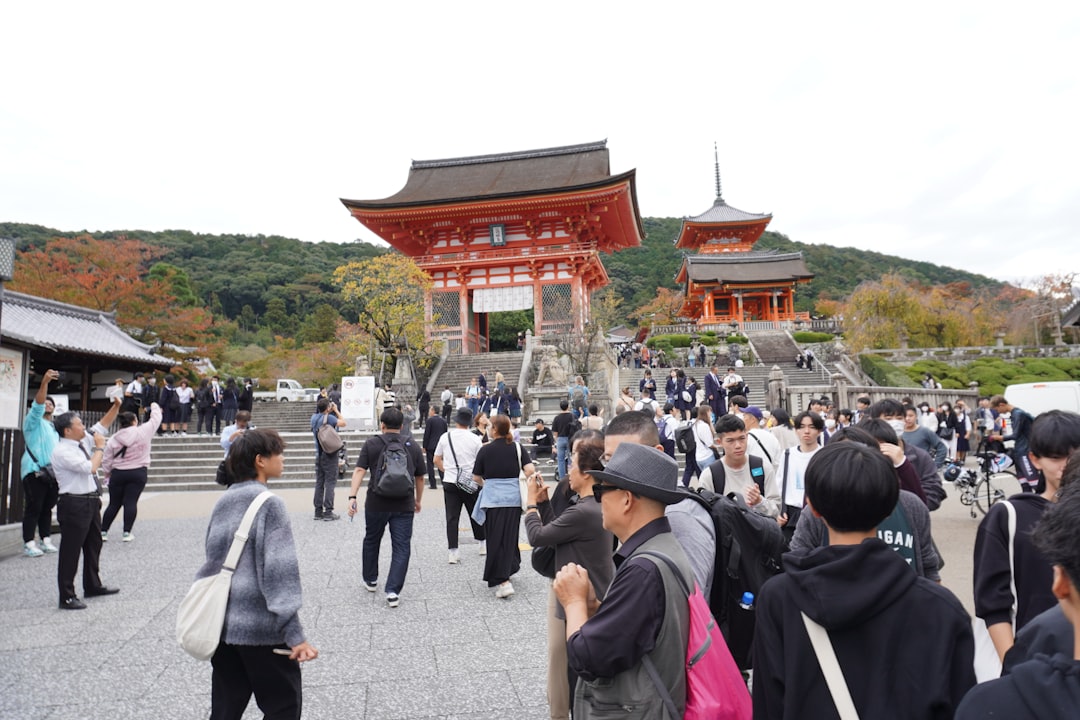
Historically, Japan has been a popular destination for tourists, with over 31 million visitors in 2019 alone, prior to the pandemic. However, the influx of tourists has raised concerns about sustainability and the impact on local communities. The new visa program not only addresses the need for economic revitalization but also aims to alleviate the pressures of mass tourism by encouraging longer stays from remote workers.
According to the Japan National Tourism Organization (JNTO), the digital nomad population is expected to grow significantly. This demographic tends to spend more per day than traditional tourists, which can help stimulate local economies. The visa will allow remote workers to live in Japan for extended periods, fostering a deeper connection with local culture and communities.
Understanding the Digital Nomad Visa
 Career Development
The Enduring Value of Higher Education in the AI Era
As AI reshapes industries, the debate over the value of higher education intensifies. We explore its enduring importance alongside skills-based…
Read More →The Digital Nomad Visa will permit foreign nationals to live and work in Japan for up to one year, with the possibility of extension. Applicants will need to demonstrate employment with a company outside Japan or possess sufficient personal income. This requirement is critical, as it ensures that visa holders contribute to the local economy without overwhelming local job markets.
Japan aims to attract not only tech workers but also professionals across various sectors, including education, marketing, and healthcare.
Japan aims to attract not only tech workers but also professionals across various sectors, including education, marketing, and healthcare. The government recognizes the importance of diversifying the skills and talents of those who come to live in the country.
Furthermore, the new visa is part of Japan’s broader strategy to enhance its global competitiveness and foster innovation. With companies like Sony and Toyota investing heavily in technology and remote work solutions, Japan is positioning itself as a hub for digital nomads.
Challenges Ahead
Despite the exciting prospects, challenges remain. Language barriers and cultural differences can be significant hurdles for foreign workers. The Japanese government is aware of these issues and is reportedly planning initiatives to support integration, such as language courses and community programs.
Additionally, there are concerns regarding accommodation. As remote workers seek longer-term stays, the demand for suitable housing may strain local resources. The government is exploring partnerships with real estate companies to develop accommodations tailored for digital nomads.
 Business Innovation
India’s New Portal for Live Event Clearances: A Game Changer for the Industry
India is launching a single-window portal for live event clearances, aiming to simplify processes and boost the industry. Here's what…
Read More →Global Perspective
Japan is not alone in this endeavor. Countries like Portugal and Croatia have already established digital nomad visas, attracting remote workers to bolster their economies. According to a report by the World Economic Forum, the global shift towards remote work has prompted a surge in digital nomadism, with an estimated 35 million people working remotely around the world in 2023.
As nations compete for talent, Japan’s unique cultural offerings combined with its technological advancements make it an attractive option for remote workers. The country’s rich history and modern amenities present a compelling case for those seeking a balance between work and leisure.
Language barriers and cultural differences can be significant hurdles for foreign workers.
Future Implications
Looking ahead, the success of Japan’s Digital Nomad Visa will depend on its ability to attract a diverse range of professionals while maintaining a sustainable tourism model. If implemented effectively, this initiative could serve as a blueprint for other countries grappling with similar challenges.
As remote work continues to evolve, professionals worldwide should consider how such visa opportunities can enhance their careers while exploring new cultures. The ability to work from anywhere is no longer a distant dream; it is quickly becoming a reality that reshapes not just individual lives but also entire economies.
 Career Development
Stevens Institute of Technology Launches Tuition-Free Initiative
Stevens Institute of Technology has announced a tuition-free program, marking a significant shift in higher education accessibility.
Read More →Japan’s Digital Nomad Visa represents a significant step forward, offering a pathway for remote workers to immerse themselves in a vibrant culture while contributing to a sustainable future. This initiative not only addresses over-tourism but also opens doors for a new wave of innovation and collaboration across borders.