No products in the cart.

Labour Must Learn from History as Automation Transforms Job Markets

As automation reshapes the job market, Labour must draw lessons from history to navigate these changes effectively. This article explores the implications for workers and the economy.

Manchester, UK — The rise of automation is reshaping the job market, and Labour must learn from history to navigate this transformation effectively. As technology increasingly replaces traditional roles, the implications for employment are profound. In sectors like retail, where automation is becoming more prevalent, workers face significant challenges. The urgency for Labour to adapt is clearer than ever.
Recent reports indicate that productivity is rising in low-paying sectors as technology replaces relatively expensive human labor. For instance, the retail industry is witnessing a notable shift. According to a report, retail hiring fell by almost 6% in November, traditionally a peak hiring period. This decline is indicative of a broader trend where automation is prioritized over human workers, particularly in entry-level positions.
Labour must recognize that this shift is not merely a temporary phase but part of a larger, ongoing transformation. Unemployment in the UK has reached its highest rate in a decade, excluding the pandemic’s peak. Despite this, economic output has shown modest growth, suggesting that rising productivity is often achieved at the cost of job losses.
Understanding the Historical Context of Automation
Historically, the Industrial Revolution serves as a critical reference point for understanding the impact of automation on jobs. During that period, technological advancements led to significant productivity gains, but they also resulted in widespread job displacement. Factory owners invested in steam-powered machines, which initially benefited capitalists more than workers, leading to wage stagnation and social unrest.
 Career Advice
Unlocking Career Intelligence: A Fast-Track Guide
Career intelligence is essential for success in today's job market. Learn how to develop it quickly and effectively.
Read More →Today, similar patterns are emerging. The current wave of automation, particularly in sectors like retail, echoes the past where workers faced displacement due to technological advancements. The challenge for Labour is to ensure that the benefits of increased productivity are shared equitably among workers. This involves advocating for policies that support retraining and upskilling initiatives.
The Bank of England’s governor has emphasized the need for a robust framework for training and education to prepare workers for the jobs of the future.
As automation continues to evolve, Labour must prioritize the creation of new jobs that can absorb displaced workers. However, this requires a proactive approach to education and training. The Bank of England’s governor has emphasized the need for a robust framework for training and education to prepare workers for the jobs of the future.
Furthermore, Labour’s approach to employment rights and wage policies must also adapt to this new reality. The recent increase in employer national insurance contributions and living wage adjustments has led to calls from the retail sector for a reevaluation of hiring practices. As businesses grapple with rising costs, the temptation to automate will only increase.
Labour’s historical roots in advocating for workers’ rights must guide its response to these challenges. The lessons learned from the past can inform strategies to protect workers while embracing the benefits of technological advancements. The balance between productivity and fair wages must be maintained to prevent a return to the inequities of the past.
What This Means for Your Career
As automation reshapes the job landscape, the implications for your career are significant. For entry-level workers, particularly young individuals seeking employment in retail, the competition will intensify. With many low-skilled jobs becoming easier to automate, the demand for higher-skilled positions will likely increase. This shift necessitates a focus on developing skills that are less susceptible to automation.
 Mental Health
Youngest Celebrities: Shaping Fame and Generational Influence
Young celebrities are reshaping fame, influencing their peers and future generations through digital media.
Read More →Mid-career professionals must also adapt. Reskilling will be crucial for those whose roles are at risk of being automated. Embracing continuous learning and seeking opportunities for professional development will be essential to remain relevant in the evolving job market. Industries that prioritize innovation and adaptability will likely thrive, and workers who align their skills with these sectors will find better opportunities.
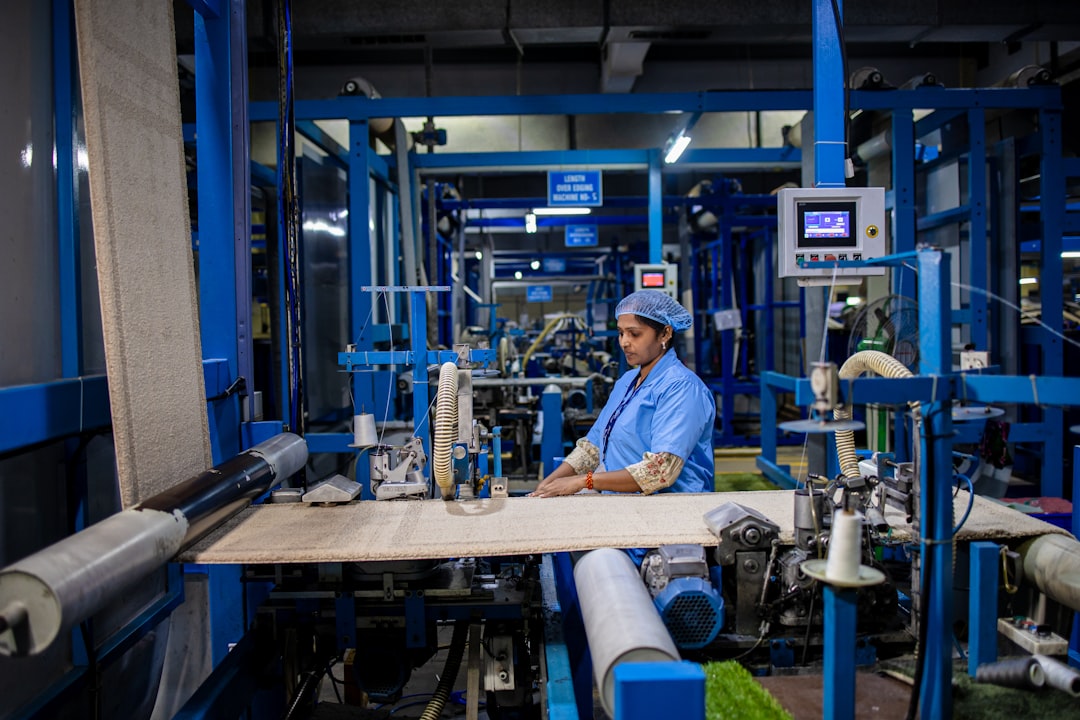
For those considering a career switch, now is the time to explore fields that are expected to grow despite automation. Roles in technology, healthcare, and renewable energy are likely to see increased demand. Understanding the skills required in these areas can help you position yourself for success in the future job market.
Embracing continuous learning and seeking opportunities for professional development will be essential to remain relevant in the evolving job market.
Actionable Steps to Prepare for Automation
- Invest in Skill Development: Consider enrolling in courses that focus on digital skills, coding, or data analysis. Platforms like Coursera and Udemy offer a variety of options tailored to different career paths.
- Network with Industry Professionals: Attend industry events, webinars, and workshops to connect with professionals in your field. Building a strong network can lead to job opportunities and mentorship.
- Stay Informed on Industry Trends: Regularly read industry publications and reports to understand how automation is impacting your sector. This knowledge can help you anticipate changes and adapt accordingly.
However, experts warn that this trend may not be sustainable. A recent study suggests that while automation can drive productivity, it can also lead to significant job losses if not managed carefully. Economists emphasize the need for policies that balance technological advancement with worker protection to prevent social unrest.
The Future of Work in an Automated World
Looking ahead, the future of work will undoubtedly be shaped by automation. As technology continues to advance, the demand for skilled workers will rise. Labour must take proactive steps to ensure that workers are not left behind in this transition. This includes advocating for policies that support education and training initiatives aimed at preparing the workforce for the jobs of the future.
 Artificial Intelligence
Navigating the Intersection of AI and Creativity in Media Buying
Discover how AI is reshaping media buying, blending efficiency with human creativity. Find out how professionals can thrive in this…
Read More →The challenge lies in balancing the benefits of automation with the need for meaningful employment. As history has shown, significant technological shifts can lead to social upheaval if not managed effectively. The question remains: how will Labour adapt to ensure that the benefits of automation are shared equitably among all workers?