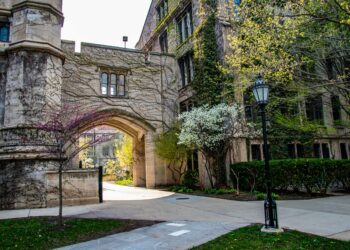
Martin University in Indianapolis has abruptly closed due to financial struggles, affecting staff and students. Explore the implications of this closure and what comes next.
Indianapolis, USA — Martin University, a private college in Indianapolis, has abruptly ceased operations following a significant funding crisis. The decision, announced just before the end of the semester, has left many students scrambling to find alternative educational institutions and has resulted in immediate layoffs for all staff. This closure not only disrupts the lives of those directly involved but also raises broader questions about the sustainability of private colleges in the current financial climate.
Staff members were informed that they would not be compensated for hours already worked and were issued termination letters to prevent further financial strain on the institution. The university has faced ongoing financial difficulties for several years, exacerbated by a lack of renewed state funding and critical audits that questioned its long-term viability. As the institution closes its doors, the immediate concern shifts to the affected students, many of whom are now tasked with transferring to other colleges.
Students have been advised to reach out to other local institutions, such as Marian University and the University of Indianapolis, which have offered assistance in the transfer process. An online fair was organized to help connect students with representatives from these colleges, aiming to ease the transition. However, many students, particularly those with families or work commitments, face significant challenges in adjusting to new programs and schedules.
Why Martin University’s Closure Matters Now
The abrupt closure of Martin University highlights the vulnerabilities of private colleges, especially those that rely heavily on state funding and student enrollment for financial stability. According to recent reports, Martin University had received a one-time funding boost of $5 million from the state, which was not renewed, contributing to its current predicament. This situation reflects a larger trend in higher education, where institutions struggle to balance budgets amid declining enrollment and rising operational costs.
Furthermore, the university’s closure raises concerns about the availability of educational resources for underserved populations. Martin University was known for its commitment to providing accessible education, particularly to minority and low-income students. The loss of this institution means that many students may now find themselves without the support systems they relied on, particularly those who benefited from the university’s childcare services.
As student debt rises and job markets evolve, the return on investment in higher education is increasingly questioned. Explore the shifting landscape between traditional degrees…
Martin University was known for its commitment to providing accessible education, particularly to minority and low-income students.
As the landscape of higher education continues to evolve, the closure of Martin University serves as a cautionary tale for other institutions. It underscores the importance of financial planning and the need for colleges to diversify their funding sources. The situation also calls for a reevaluation of how private colleges can better serve their communities while maintaining financial health.
What This Means for Affected Students
The closure of Martin University has immediate and long-term implications for its students. Many are now left to navigate the complex process of transferring to new colleges, which can be daunting, especially for those who have built relationships with faculty and staff at Martin. The university has provided a list of potential transfer options, but students must still initiate contact and manage their own transitions.
For students who are single parents or working professionals, finding a new college that accommodates their schedules can be particularly challenging. Many of them have expressed frustration over the sudden need to adjust to new academic environments, which can disrupt their educational progress and personal lives. The loss of Martin University’s childcare services is another significant blow, as it was the only institution in the area offering free childcare for students.
As they seek new educational opportunities, students may also face financial implications. The transition could involve additional costs, such as application fees or transportation expenses. Furthermore, students who were relying on financial aid from Martin University may need to reapply for aid at their new institutions, potentially complicating their financial situations.
Steps for Students to Navigate the Transition
In light of the challenges posed by this closure, here are some actionable steps students can take to navigate their transition effectively:
Digital nomadism is restructuring the architecture of career capital, turning personal brand and self‑managed skill development into the new levers of professional advancement while compelling…
For students who are single parents or working professionals, finding a new college that accommodates their schedules can be particularly challenging.
Research Transfer Options: Explore the list of colleges provided by Martin University and reach out to them for guidance. Understand the programs they offer and how they align with your academic goals.
Connect with Advisors: Schedule meetings with academic advisors at potential transfer institutions to discuss your academic history and plan your next steps.
Utilize Online Resources: Take advantage of online fairs and webinars that connect students with representatives from other colleges. These can provide valuable information and support during the transfer process.
Seek Financial Aid Guidance: Contact the financial aid offices at your prospective colleges to understand your options and ensure you have the necessary support to continue your education.
However, experts warn that the sudden closure of Martin University may not be an isolated incident. As financial pressures mount on private colleges, many institutions could face similar fates. A recent study by the National Center for Education Statistics highlights that nearly 40% of private colleges are operating at a loss, raising concerns about the sustainability of these institutions in the long term.
The Future of Higher Education in Indianapolis
The closure of Martin University may signal a shift in the higher education landscape in Indianapolis. As state lawmakers express concern over the closure, there may be discussions about how to better support educational institutions facing financial difficulties. This could lead to new funding initiatives or policies aimed at stabilizing private colleges.
Furthermore, the situation raises questions about the future of accessible education for underserved populations in the region. With fewer options available, it is crucial for policymakers and educational leaders to explore innovative solutions that can ensure students have access to quality education, regardless of their financial backgrounds.
The abrupt closure of Martin University serves as a wake-up call for both educational institutions and students. As the landscape of higher education continues to evolve, how can we ensure that all students have access to quality education and support systems that meet their needs?
Hybrid education is reshaping institutional authority, labor‑market alignment, and economic mobility by embedding cloud‑based analytics, competency‑based pathways, and industry co‑creation into the core of post‑secondary…


Career Advice

 Business Innovation
 Business Innovation