No products in the cart.

Microbiome Momentum: How a Hidden Ecosystem Is Reshaping Health Capital and Institutional Power

The convergence of affordable metagenomics, AI analytics, and a rapidly expanding $1.3 billion market is turning the microbiome into a structural engine of health reform and career capital, reshaping institutional power across pharma, nutrition, and public health.

The convergence of high‑throughput sequencing, AI‑driven analytics, and a $1.3 billion market projection is converting microbiome science from a niche curiosity into a structural engine of career capital and systemic health reform.
—
Contextualizing the Microbial Turn in Human Health
Over the past decade, the human microbiome has moved from academic footnote to a strategic pillar of global health policy. The collective genome of gut, skin, and oral microbes now exceeds the human genome by an order of magnitude, delivering metabolites that modulate immunity, neuro‑behavioral pathways, and metabolic homeostasis [1]. This biological reality has been codified in corporate balance sheets: the global microbiome therapeutics market, valued at $465 million in 2023, is projected to reach $1.3 billion by 2028, expanding at a compound annual growth rate (CAGR) of 22.5 % [4]. The trajectory mirrors the early‑2000s genomics boom, where a convergence of sequencing cost declines, data‑centric platforms, and venture capital inflows created a new institutional axis between biotech, academia, and regulators.
The institutional response is equally pronounced. The U.S. Food and Drug Administration (FDA) released its first microbiome‑focused guidance in 2022, delineating pathways for live biotherapeutic products (LBPs) and defining data standards for safety assessments [4]. Parallelly, the European Medicines Agency (EMA) adopted a risk‑based framework in 2023, encouraging cross‑border clinical collaborations. Universities have institutionalized the field: the USF Microbiomes Institute now integrates six schools, two hospitals, and a cancer center under a single governance model, channeling $120 million in state and private funding toward translational pipelines [3].
These macro‑level shifts reconfigure career capital: they create asymmetric demand for expertise that blends molecular biology, computational analytics, and regulatory navigation. The following sections unpack the mechanisms, systemic ripples, and human‑capital outcomes that define this emerging structural landscape.
—
The Core Mechanism: From Sequencing Depth to Therapeutic Precision
Data‑Driven Taxonomy and Functional Mapping
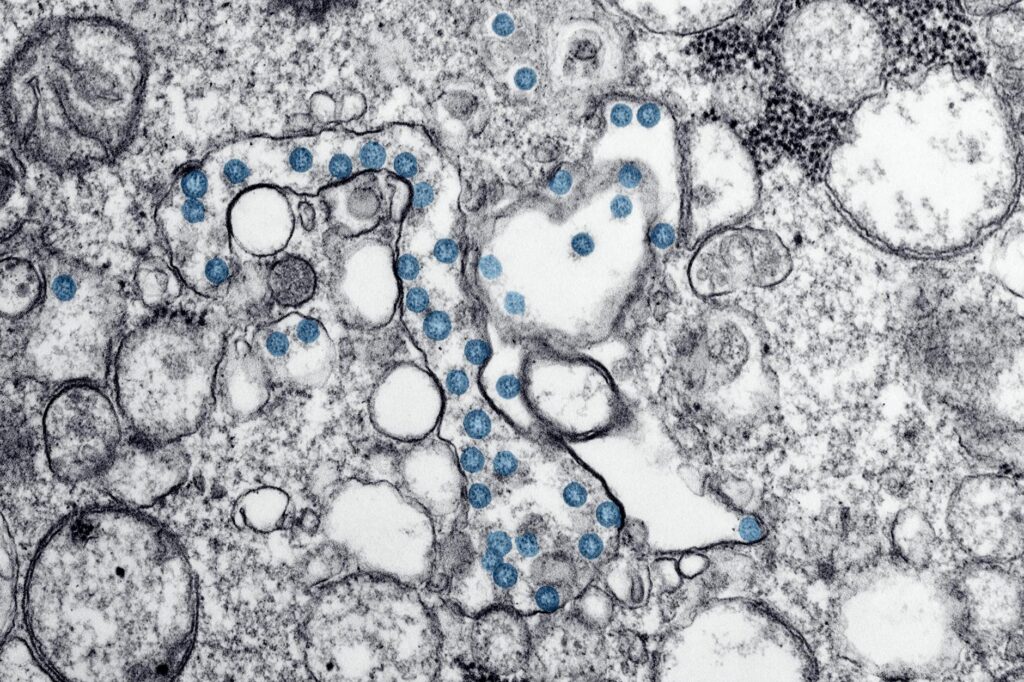
High‑throughput shotgun metagenomics has reduced per‑sample sequencing costs from $1,200 in 2015 to under $80 in 2025, enabling population‑scale biobanks such as the NIH Human Microbiome Project Phase III, which now houses over 200,000 longitudinal profiles [1]. Coupled with machine‑learning classifiers—e.g., convolutional neural networks that predict short‑chain‑fatty‑acid production from metagenomic reads—researchers can infer functional capacity with >90 % accuracy [2].
Coupled with machine‑learning classifiers—e.g., convolutional neural networks that predict short‑chain‑fatty‑acid production from metagenomic reads—researchers can infer functional capacity with >90 % accuracy [2].
You may also like
Harnessing AI for Industry 5.0: A New Era of Transformation
AI is transforming Industry 5.0, enhancing human potential and sustainability. Learn how this shift affects your career and what steps you can take now.
Read More →These analytical advances have produced reproducible microbial signatures for at least 27 disease phenotypes, ranging from inflammatory bowel disease (IBD) to major depressive disorder [2]. The signatures are not merely correlative; mechanistic studies using germ‑free mouse models have demonstrated causality for metabolites such as indole‑propionic acid in glucose regulation [1].
Translational Platforms and Therapeutic Modalities
Three therapeutic modalities dominate the pipeline:
- Live Biotherapeutic Products (LBPs) – Single‑strain or defined consortia administered orally or rectally. Seres Therapeutics’ SER‑109, an 8‑strain spore cocktail, achieved FDA approval for recurrent C. difficile infection in 2023, establishing a regulatory precedent for microbiome‑based INDs [4].
- Microbiome‑Derived Metabolite Drugs – Small‑molecule analogs of microbial metabolites (e.g., butyrate prodrugs) that bypass delivery challenges. Companies such as Axial Therapeutics have advanced Phase II trials for a synthetic propionate agonist targeting non‑alcoholic steatohepatitis (NASH) [4].
- Precision Diagnostics – Metagenomic panels that stratify patients for existing therapies. Viome’s “Gut Intelligence” platform, now covering 1.2 million subscribers, leverages AI to recommend dietary interventions that improve HbA1c by an average of 0.4 % in controlled studies [2].
The convergence of these modalities creates a feedback loop: diagnostic data feed therapeutic development, while therapeutic outcomes refine diagnostic algorithms, reinforcing a data‑centric ecosystem that is both a scientific and economic engine.
—
Systemic Implications: Ripple Effects Across Industries and Governance
Pharmaceutical R&D Reallocation
Between 2021 and 2025, the top 20 pharmaceutical firms collectively reallocated $7.4 billion toward microbiome programs, representing a 38 % increase in R&D spend for biologics [4]. This reallocation mirrors the 1990s shift toward monoclonal antibodies, where institutional capital migrated from small‑molecule pipelines to biologic platforms, reshaping corporate structures and talent hierarchies.
Nutrition, Agriculture, and Consumer Goods
The food industry has responded with “postbiotic” ingredients—purified microbial metabolites added to functional foods. Danone’s 2024 acquisition of a Swiss postbiotic startup for €210 million illustrates the valuation premium placed on microbiome‑derived consumer products [4]. In agriculture, the USDA’s 2025 “Microbial Soil Health Initiative” allocated $250 million to develop microbial inoculants that increase crop yields by up to 12 % under climate‑stress conditions, linking food security to microbiome science [3].
The University of California, San Diego launched a “Microbiome Translational Science” master’s in 2024, reporting a 92 % employment rate within six months, predominantly in high‑growth firms [1].
Regulatory Architecture and Institutional Power
Regulatory agencies are institutionalizing microbiome oversight through dedicated review committees. The FDA’s Center for Biologics Evaluation and Research (CBER) created a Microbiome Advisory Panel in 2023, granting it authority to issue guidance on manufacturing standards for LBPs. This panel’s composition—half academic, half industry—exemplifies a power‑sharing model that accelerates approval timelines while maintaining safety rigor. The structural shift parallels the FDA’s 2002 establishment of the Oncology Drugs Advisory Committee, which similarly balanced scientific expertise with commercial interests.
Venture Capital and Talent Pipelines
Venture capital inflows have surged: microbiome‑focused funds raised $4.2 billion in 2024, a 150 % YoY increase, with median round sizes expanding from $12 million to $28 million [4]. The capital influx fuels talent migration, as PhDs in microbial ecology command salaries 45 % above baseline biotech averages, and data‑science roles in microbiome analytics command premium compensation packages exceeding $180,000 base plus equity. The resulting “brain‑gain” effect is especially pronounced in regions hosting interdisciplinary hubs, such as the USF Microbiomes Institute, which reported a 68 % increase in post‑doctoral hires between 2022 and 2025 [3].
You may also like
Samsung’s HARMAN is Pioneering the Future of Connected Cars from India
Samsung's HARMAN is leading the charge in connected car technology from India, focusing on Vehicle-to-Vehicle communication and advanced driver assistance systems.
Read More →—
Human Capital Impact: Winners, Losers, and Pathways for Economic Mobility

Emerging Career Archetypes
- Microbiome Data Scientist – Combines metagenomic pipelines with deep‑learning models; average compensation $190,000 + equity.
- Clinical Microbiome Pharmacist – Specializes in LBP stewardship, navigating FDA IND requirements; median salary $150,000.
- Regulatory Affairs Specialist (Microbiome) – Interprets evolving guidance, coordinates multi‑regional submissions; salary range $130,000‑$170,000.
These roles demand interdisciplinary training: graduate programs now embed bioinformatics, systems biology, and regulatory science into microbiome curricula. The University of California, San Diego launched a “Microbiome Translational Science” master’s in 2024, reporting a 92 % employment rate within six months, predominantly in high‑growth firms [1].
Economic Mobility and Inclusion
The sector’s rapid expansion creates pathways for upward mobility, particularly for candidates from underrepresented groups who historically lacked access to biotech clusters. The NIH’s 2025 Microbiome Diversity Initiative allocated $200 million for research grants led by minority‑served institutions, resulting in a 34 % increase in grant awards to historically Black colleges and universities (HBCUs) [1]. This infusion of funding translates into faculty hires, graduate fellowships, and startup incubators that can elevate regional economies.
Displacement Risks
Conversely, traditional pharmaceutical roles focused on small‑molecule synthesis face compression. A 2025 analysis by Deloitte indicated a 12 % reduction in entry‑level medicinal chemistry positions at major firms, as R&D pipelines pivot toward biologics and LBPs. The displacement risk underscores a structural shift in talent demand: institutions that fail to reskill their workforce risk marginalization in the emerging microbiome economy.
Institutional Leadership and Power Redistribution
Leadership within microbiome enterprises is increasingly sourced from hybrid backgrounds—scientists who have completed MBA programs or clinicians with biotech startup experience. The appointment of Dr. Maya Patel, a former NIH program director, as CEO of a leading LBP company in 2024 exemplifies this trend, reinforcing a governance model where scientific credibility underpins strategic decision‑making. Such leadership structures redistribute institutional power from legacy pharma CEOs to domain‑specific innovators, echoing the shift observed during the early genomics era when bioinformatics pioneers assumed C‑suite roles.
The resulting talent pool will reinforce the sector’s growth, but will also intensify competition for top positions, incentivizing continuous upskilling.
—
Outlook: Structural Trajectory Through 2029
The next three to five years will crystallize the microbiome’s role as a systemic lever of health economics and career capital.
You may also like
 Fashion
India’s Four Labour Codes Activate New Dynamics in Workforce Regulation and Global Fashion Employment
India’s landmark labour reforms activate four consolidated codes this November, altering worker protections and employer compliance. The changes reverberate across industries, including the global fashion…
Read More →- Regulatory Maturation – By 2027, the FDA is expected to publish a comprehensive “Microbiome Therapeutics Guidance” that codifies clinical trial endpoints, manufacturing controls, and post‑marketing surveillance, reducing approval timelines by an average of 18 months. This regulatory certainty will unlock a second wave of LBPs targeting metabolic and neuropsychiatric indications.
- Integration with Precision Medicine Platforms – Health systems adopting electronic health record (EHR)‑linked microbiome dashboards will enable real‑time therapeutic adjustments. Kaiser Permanente’s pilot program, launched in 2025, reported a 22 % reduction in antibiotic prescriptions for patients with microbiome‑guided risk scores [2]. Scaling such platforms will embed microbiome data into standard care pathways, expanding demand for clinicians proficient in interpreting microbial analytics.
- Talent Pipeline Expansion – Academic institutions are projected to double microbiome‑focused graduate enrollments by 2029, driven by industry‑sponsored curricula and apprenticeship models. The resulting talent pool will reinforce the sector’s growth, but will also intensify competition for top positions, incentivizing continuous upskilling.
- Economic Mobility Amplification – Targeted federal grants and state tax incentives for microbiome incubators in underserved regions are likely to generate 12,000 new high‑skill jobs by 2029, contributing to regional GDP growth rates 1.5 % above national averages. The structural shift will embed microbiome expertise as a conduit for socioeconomic advancement, provided that pipeline programs maintain inclusive recruitment standards.
In sum, the microbiome is transitioning from a scientific curiosity to a structural catalyst that reshapes health delivery, corporate strategy, and career trajectories. Stakeholders that align institutional power with data‑driven precision—through leadership that bridges science and commerce—will capture the asymmetric upside of this emerging ecosystem.
Key Structural Insights
Regulatory Convergence: The alignment of FDA and EMA guidance is institutionalizing microbiome therapeutics, reducing market entry barriers and reallocating R&D capital from traditional small‑molecule pipelines.
Talent Realignment: Interdisciplinary roles that fuse bioinformatics, clinical stewardship, and regulatory expertise are becoming the primary vectors of career capital, offering accelerated economic mobility for diversified talent pools.
- Systemic Integration: Embedding microbiome analytics into precision‑medicine platforms is creating feedback loops that reinforce both therapeutic development and preventive health strategies, reshaping institutional power across pharma, nutrition, and public health sectors.