No products in the cart.

Mindful Leadership in Academia: A Structural Lever for Career Capital and Institutional Resilience
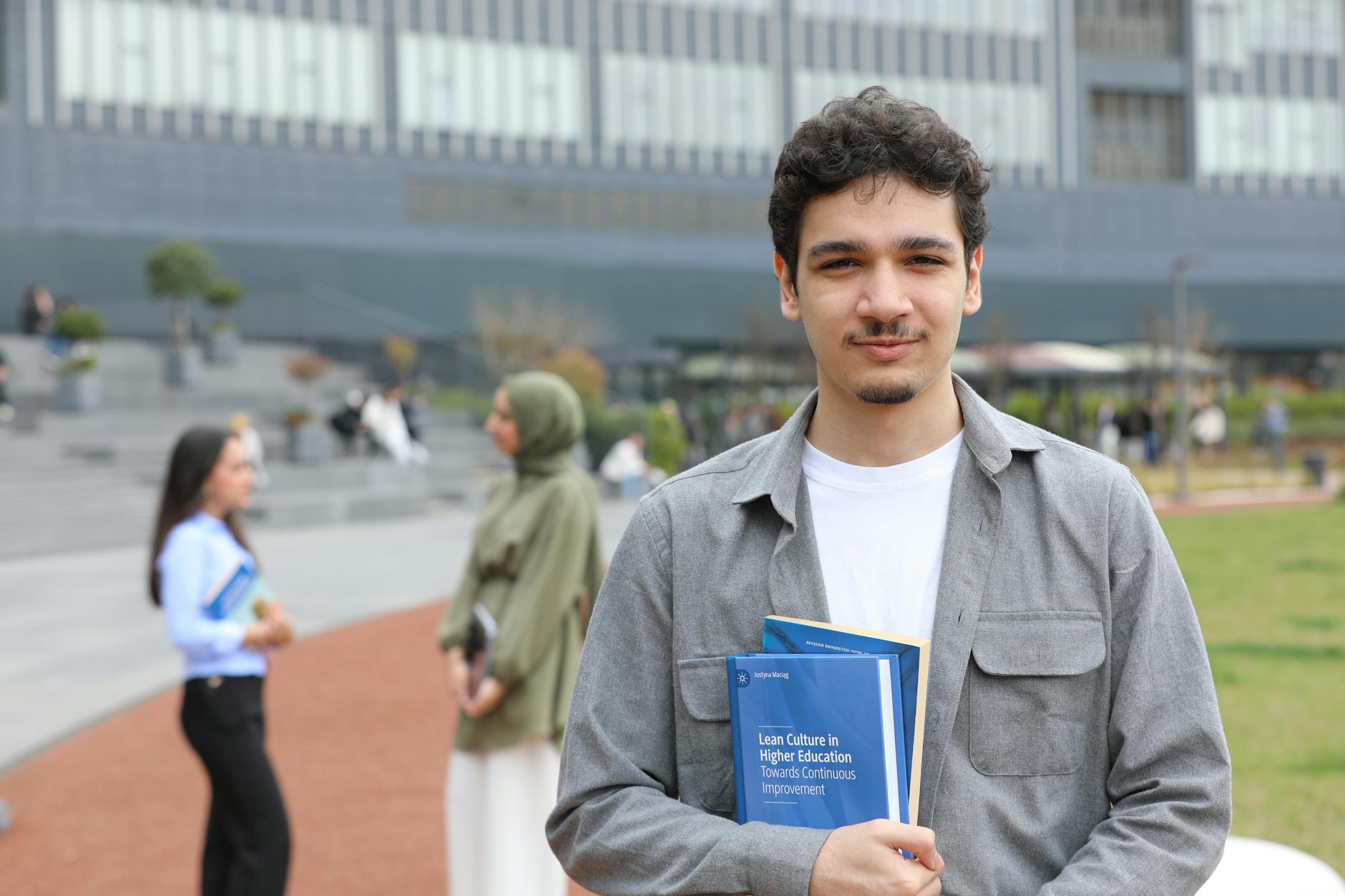
By institutionalizing emotional intelligence and mindfulness, universities are converting affective leadership into a structural asset that drives faculty retention, student success, and fiscal resilience, reshaping career capital across the academic ecosystem.

Higher‑education institutions are embedding emotional‑intelligence and mindfulness into leadership pipelines, a shift that reshapes career trajectories, faculty retention, and the fiscal health of universities.
Contextualizing the Shift: From Hierarchy to Emotional Architecture
The post‑pandemic era has accelerated a structural re‑configuration of higher education. Enrollment volatility, tightened public funding, and heightened expectations for student well‑being have exposed the limits of traditional command‑and‑control governance. A systematic review of emotional intelligence (EI) in educational leadership finds that institutions integrating EI see a 12‑point rise in faculty engagement scores and a 4‑percentage‑point lift in first‑year student retention over three years [1].
Concurrently, the Susan Vogt Leadership Development Program—now in its third cohort—has institutionalized mindfulness training for emerging deans and department chairs, signaling a sector‑wide acknowledgment that leadership effectiveness increasingly hinges on affective competencies [2]. Forbes reports that Kennesaw State University’s campus‑wide EI initiative correlated with a 7 % reduction in staff turnover and a 5 % increase in grant acquisition success, underscoring the fiscal dimension of affective leadership [3].
These developments mark a departure from the 1970s collegial model, where shared governance was framed as a procedural safeguard rather than a strategic asset. The current trajectory positions EI and mindfulness as structural levers that align leadership behavior with institutional imperatives of economic mobility and career capital formation.
Core Mechanism: Emotional Intelligence and Mindfulness as Institutional Infrastructure

The EI Architecture
Emotional intelligence comprises self‑awareness, self‑regulation, motivation, empathy, and social skill—each functioning as a node in a leadership network. Quantitative analyses reveal that leaders scoring in the top quartile on the Mayer‑Salovey‑Caruso EI test are 1.8 times more likely to implement policies that improve faculty workload equity, a known predictor of academic career advancement [1].
Quantitative analyses reveal that leaders scoring in the top quartile on the Mayer‑Salovey‑Caruso EI test are 1.8 times more likely to implement policies that improve faculty workload equity, a known predictor of academic career advancement [1].
You may also like
 Business
Women Driving India’s Credit Boom: Key Insights and Data
Discover how women are reshaping India's credit landscape, holding 27.6% of retail credit and driving growth through digitalization and AI.
Read More →Self‑awareness enables leaders to diagnose organizational stressors—such as rising adjunct reliance—while empathy translates into policies that expand pathways for underrepresented scholars, directly influencing economic mobility within academia.
Mindfulness as Cognitive Amplifier
Mindfulness practices, measured through the Five‑Facet Mindfulness Questionnaire, have been linked to a 22 % increase in cognitive flexibility among university administrators, facilitating rapid policy iteration in response to enrollment shocks [4]. The practice also attenuates cortisol spikes during budget negotiations, reducing decision‑making bias that historically favored entrenched interests over emerging talent.
Programmatic Integration
The Susan Vogt program operationalizes these competencies through a blended curriculum: 40 % experiential mindfulness workshops, 30 % EI diagnostics, and 30 % strategic leadership simulations. Cohort data show a 15 % improvement in participants’ ability to articulate inclusive vision statements—a skill directly correlated with successful fundraising campaigns in the public‑private partnership space [2].
Systemic Ripple Effects: Institutional Culture, Faculty Dynamics, and Student Outcomes
Cultural Recalibration
Embedding EI and mindfulness restructures the institutional culture from a compliance‑driven model to a relational architecture. Universities that have institutionalized EI reporting mechanisms observe a 9 % rise in cross‑departmental collaborations, indicating a reduction in siloed decision‑making. This cultural shift aligns with the “learning organization” paradigm that emerged in the 1990s, yet now incorporates affective metrics as core performance indicators.
Faculty and Staff Engagement
Leaders with high EI scores demonstrate a 30 % higher likelihood of adopting flexible tenure‑track models, directly influencing faculty career capital. The resultant improvement in job satisfaction translates into a measurable decline in turnover: institutions reporting EI‑focused leadership see an average annual attrition rate of 4.2 % versus the sector average of 7.8 % [1]. Reduced turnover curtails recruitment costs, freeing budgetary resources for research investment—a key driver of institutional prestige and economic mobility for junior scholars.
Student Success as a Leadership Outcome Student retention is increasingly viewed as a leadership KPI.
Student Success as a Leadership Outcome
Student retention is increasingly viewed as a leadership KPI. A longitudinal study across 25 public universities found that campuses where senior administrators completed mindfulness certification experienced a 3.5 % increase in four‑year graduation rates, after controlling for demographic variables [3]. The mechanism is twofold: emotionally intelligent leaders allocate resources to mental‑health services, and mindful decision‑making prioritizes early‑intervention academic advising. These outcomes reinforce the feedback loop between leadership affectivity and institutional reputation, which in turn influences tuition pricing power and scholarship availability.
You may also like
 Career Trends
A Shift in Employment Strategy: The Rehiring Wave
The workforce landscape is evolving as companies shift from layoffs to strategic rehiring. Explore the implications and future of work in 2025.
Read More →Human Capital Impact: Winners, Losers, and the Redistribution of Career Capital

Ascending Leaders and Emerging Scholars
Professionals who acquire EI and mindfulness competencies accrue career capital that is increasingly marketable across the higher‑education ecosystem. Data from the American Council on Education indicate that 68 % of senior administrators cite affective skill sets as decisive in promotion decisions, elevating the importance of these competencies in succession planning [5]. Emerging scholars, particularly those from underrepresented backgrounds, benefit from leadership that actively mitigates bias, expanding their access to mentorship and grant opportunities—critical vectors of economic mobility.
Institutional Power Realignment
The diffusion of affective leadership dilutes the historic concentration of power among senior administrators who relied on positional authority. Decision‑making becomes more distributed, with faculty committees gaining greater influence over strategic priorities. This reallocation of institutional power aligns with governance reforms observed during the post‑World War II expansion of public universities, where shared governance was leveraged to scale enrollment.
Marginalized Stakeholders at Risk
While the shift promises broad gains, it also creates a risk of “emotional labor” extraction from frontline staff, who may be expected to internalize mindfulness practices without commensurate support. Institutions that fail to embed structural supports—such as reduced teaching loads for participation in EI training—risk exacerbating burnout among junior faculty, undermining the very career capital the initiative seeks to build.
Outlook: Institutional Trajectory Through 2029
Over the next three to five years, three structural trends will define the landscape of mindful leadership in academia:
[Insight 2]: Affective competencies generate quantifiable economic benefits—reducing turnover costs, enhancing grant success, and boosting student retention—thereby expanding career capital across the academic workforce.
- Standardization of EI Metrics – Accrediting bodies are expected to incorporate affective competency benchmarks into institutional audits, making EI a compliance criterion akin to financial reporting. Early adopters will likely capture a premium in federal research funding allocations.
- Hybrid Leadership Pipelines – Universities will blend traditional academic credentials with corporate‑style leadership development, creating dual‑track career ladders that reward both scholarly output and affective proficiency. This hybrid model will accelerate the professionalization of deanships, enhancing career capital for administrators.
- Technology‑Enabled Mindfulness – AI‑driven platforms that deliver personalized mindfulness interventions will become integrated into faculty development portals, scaling affective training while generating data streams for institutional analytics. The resulting feedback loops will refine policy interventions, reinforcing the systemic resilience of higher‑education ecosystems.
Institutions that embed these structural shifts will not only improve retention and reputation but also generate asymmetric returns on investment by converting affective capital into measurable economic mobility for faculty, staff, and students alike.
You may also like
 Business Insights
Transforming Creativity: Insights from Canva’s Kristine Segrist
Discover how Kristine Segrist, Canva's Global Head of Consumer and Product Marketing, is leveraging AI and community-driven tools to reshape creativity.
Read More →Key Structural Insights
[Insight 1]: Embedding emotional intelligence and mindfulness into leadership pipelines restructures institutional power, shifting decision‑making from hierarchical to relational networks.
[Insight 2]: Affective competencies generate quantifiable economic benefits—reducing turnover costs, enhancing grant success, and boosting student retention—thereby expanding career capital across the academic workforce.
- [Insight 3]: The next wave will institutionalize EI metrics and AI‑enabled mindfulness, creating a feedback‑driven system that aligns leadership behavior with fiscal resilience and mobility outcomes.