No products in the cart.

Navigating AI’s Impact: The Need for Regulatory Action

Explore the urgent need for AI regulations as technology evolves, balancing innovation with ethical considerations and public safety.

The AI revolution: A Double-Edged Sword
The emergence of artificial intelligence marks a pivotal chapter in our technological saga, reshaping industries and our daily lives at a dizzying pace. Projections indicate that global investments in AI are expected to increase significantly in the coming years, underscoring its transformative potential. From streamlining healthcare diagnostics to redefining the landscape of financial trading, AI transcends mere utility; it embodies profound ethical considerations that demand our attention.
However, this swift evolution is fraught with risks. Recent incidents, such as chatbots dispensing harmful advice—ranging from mental health issues to misguided medical guidance—underscore the critical need for regulatory frameworks. Unlike the stringent oversight governing pharmaceuticals, AI technologies currently operate without comprehensive regulatory guidance, exposing the public to real risks that are both immediate and extensive.
The Regulatory Void: Who’s Watching the Watchers?
In the United States, the regulatory framework for AI is characterized by a lack of cohesion, with states pursuing their own legislative initiatives. This absence of a unified federal approach creates a complex web of confusion and inconsistency. Political dynamics complicate an already precarious landscape, as various efforts to establish consistent regulations face significant challenges.
While tech giants like OpenAI and Google profess a commitment to safety, their accelerated development cycles frequently compromise ethical considerations. The lobbying power of these corporations in Washington has been noted as a factor that may hinder meaningful legislative advancements, raising concerns about the future of AI and the understanding of its implications by those driving its development. This precarious situation creates a tension between technological progress and public safety, where the stakes are alarmingly high.
The lobbying power of these corporations in Washington has been noted as a factor that may hinder meaningful legislative advancements, raising concerns about the future of AI and the understanding of its implications by those driving its development.
Voices from the Frontlines: Experts Weigh In
Amidst this tumultuous backdrop, experts are advocating for immediate regulatory intervention. Suzanne Nossel, a prominent voice on the Meta oversight board, emphasizes that self-regulation by companies is insufficient. She warns that without immediate regulatory action, society risks being at the mercy of potentially hazardous technologies. The prevailing sentiment among specialists is clear: inadequate oversight could exacerbate risks, undermining safety and ethical standards across diverse sectors.

As we approach an automated future, the implications for the workforce are profound. Professionals across various industries find themselves in a precarious position, facing not only the threat of job displacement but also ethical dilemmas stemming from AI’s decision-making role. Concerns about algorithmic biases have been raised, as they have the potential to entrench existing inequalities, prompting urgent questions about fairness and accountability in a world increasingly dominated by intelligent systems.
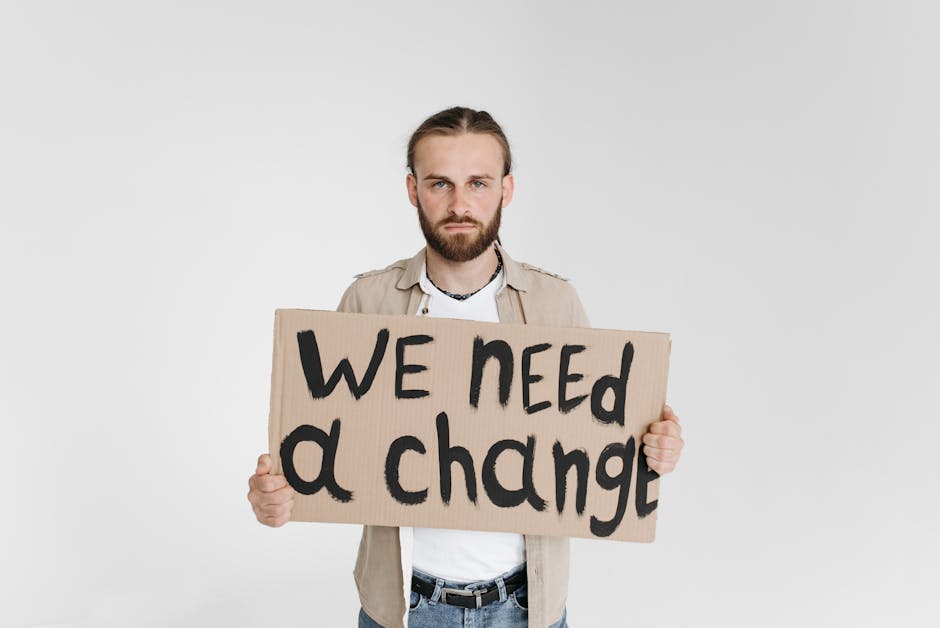
This narrative extends beyond alarm; it serves as a clarion call for action. The urgency to establish a regulatory framework that harmonizes innovation with ethical considerations is paramount. Stakeholders—from policymakers to industry leaders—must unite to create regulations that protect the public while promoting responsible technological advancement.
You may also like
 Business Innovation
Neo‑Employees Redefine the Sales Engine: How On‑Demand, Project‑Based Professionals Reshape Capital and Power
The surge in on‑demand sales projects and the adoption of project‑based models constitute a systemic reallocation of career capital, reshaping power dynamics between corporate hierarchies…
Read More →In the unfolding saga of AI, the quest for equilibrium between progress and protection takes center stage. As we navigate this intricate terrain, the imperative to act decisively and thoughtfully resonates louder than ever. The future of work, ethics, and societal well-being hinges on our capacity to confront these challenges with foresight and integrity, ensuring that AI’s immense potential is harnessed responsibly for generations to come.
As we approach an automated future, the implications for the workforce are profound.
[ref url=”https://www.theguardian.com/commentisfree/2026/mar/02/meta-oversight-board-ai”] [ref url=”https://www.bbc.com/news/articles/c20zgjzz0e4o?at_medium=RSS&at_campaign=rss”]