No products in the cart.

Navigating Career Paths After a Fashion Design Degree

Explore the various career opportunities available to fashion design graduates, including in-house design, freelancing, and retail buying.

Los Angeles, USA — For many aspiring fashion designers, earning a degree is just the beginning. The fashion industry offers a plethora of career paths, each with its own unique challenges and rewards. Graduates must navigate these options carefully, balancing creativity with practicality.
With the rise of digital platforms and changing consumer preferences, the landscape of fashion careers is evolving. From in-house design roles at major brands to freelancing opportunities and entrepreneurship, there is no shortage of avenues for those equipped with a fashion design degree.
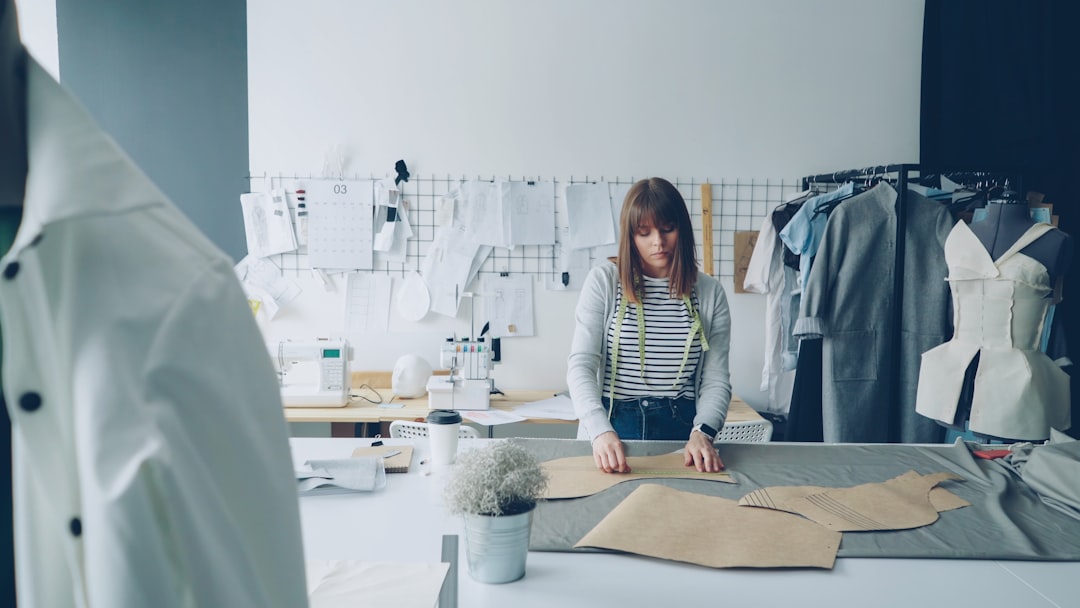
In-House Design: The Traditional Route
In-house designers typically work for established fashion houses or brands, contributing to the creation of seasonal collections. Companies like Ralph Lauren and Gucci employ teams of designers to develop cohesive lines that reflect their brand identity. Entry-level positions often include assistant designer roles, where fresh graduates can gain hands-on experience.
According to the U.S. Bureau of Labor Statistics, the median pay for fashion designers was around $75,810 in 2022. This figure can vary significantly based on location, experience, and the prestige of the employing brand. For example, designers in metropolitan areas like New York City can command higher salaries due to the cost of living and the concentration of major fashion firms.
Freelancing: Embracing Flexibility
Freelancing has become an increasingly popular option for fashion design graduates. This path offers flexibility and the chance to work on diverse projects. Freelancers can collaborate with various brands, participate in fashion shows, or even create their own lines. Platforms like Upwork and Fiverr provide avenues for designers to market their skills and connect with clients.
Platforms like Upwork and Fiverr provide avenues for designers to market their skills and connect with clients.
 Business
Podium Singapore Secures $15M to Expand Women’s Professional Networks Across Asia
Podium Singapore has raised $15 million to scale its platform connecting women professionals across Asia. The funding aims to tackle…
Read More →However, freelancing comes with its own set of challenges. Designers must be adept at self-promotion and client management. Building a strong portfolio is crucial. This portfolio should showcase a range of styles and techniques, demonstrating versatility. Networking is equally important; attending industry events and leveraging social media can help freelancers establish valuable connections.
Merchandising and Production: Behind the Scenes
For those interested in the business side of fashion, merchandising and production roles offer a different perspective. Merchandisers analyze market trends and consumer behavior to determine which products to promote. They work closely with designers to ensure that collections meet market demands.
Production managers oversee the manufacturing process, ensuring that designs are produced efficiently and to a high standard. Companies like H&M and Zara rely on skilled production teams to maintain their fast-fashion model, which requires quick turnaround times and responsiveness to trends.
Retail Buying: Curating Collections
Retail buyers play a pivotal role in shaping the shopping experience. They select the products that will be sold in stores, balancing consumer preferences with brand identity. Buyers must stay ahead of trends, often traveling to trade shows and fashion weeks to scout new collections.
According to a report by Statista, the retail industry employed over 15 million people in the U.S. in 2022, highlighting the vast opportunities available in this sector. Retail positions can provide a stable income and opportunities for advancement, making them attractive for fashion graduates.
Entrepreneurship: Launching Your Own Brand
For the entrepreneurial spirit, starting a personal fashion line can be the ultimate goal. This path requires not only design skills but also business acumen. Successful designers like Stella McCartney and Virgil Abloh started their own brands, often beginning with small capsule collections to test the market.
 Digital Learning
At the crossroads of aspiration and opportunity: PM Modi honours ITI toppers, launches PM-SETU, and opens
Prime Minister Modi celebrates the achievements of ITI toppers and introduces PM-SETU, a pivotal initiative aimed at enhancing skill development…
Read More →This path requires not only design skills but also business acumen.
Launching a brand involves significant planning. Designers must consider production costs, marketing strategies, and distribution channels. Crowdfunding platforms like Kickstarter can provide initial funding, allowing designers to gauge interest before fully committing to production.
Internships and Experience: Building a Foundation
Regardless of the chosen path, internships are invaluable. They provide practical experience and networking opportunities. Many fashion programs require internships as part of their curriculum, ensuring that students graduate with real-world experience.
Interning with established brands can lead to job offers post-graduation. According to a survey by the National Association of Colleges and Employers, 70% of interns receive job offers from their internship employers. This statistic underscores the importance of gaining experience in a competitive field.
Strategies for Success: Portfolios and Showrooms
A strong portfolio is a designer’s calling card. It should not only showcase finished designs but also document the creative process. Including sketches, mood boards, and photographs of completed garments can provide insight into a designer’s vision.
Showrooms are another avenue for designers to present their work. They serve as a space for potential buyers and clients to view collections. Participating in local fashion events or trade shows can enhance visibility and attract interest in a designer’s work.
With the right combination of creativity, business savvy, and networking, aspiring designers can carve out successful careers in various sectors of the fashion world.
 Study Abroad
Global Recognition Award Honors Shikha Bajaj for Leadership and Empowerment
Shikha Bajaj has been awarded the 2025 Global Recognition Award for her contributions to leadership and global empowerment. Explore her…
Read More →As the fashion industry continues to evolve, so too do the opportunities for new graduates. With the right combination of creativity, business savvy, and networking, aspiring designers can carve out successful careers in various sectors of the fashion world.
The future of fashion design is bright, with emerging technologies like AI and sustainable practices reshaping the industry. Designers who adapt and innovate will not only thrive but also redefine what it means to succeed in this dynamic field.