No products in the cart.

Navigating Change Fatigue in Fashion: A Psychological Perspective
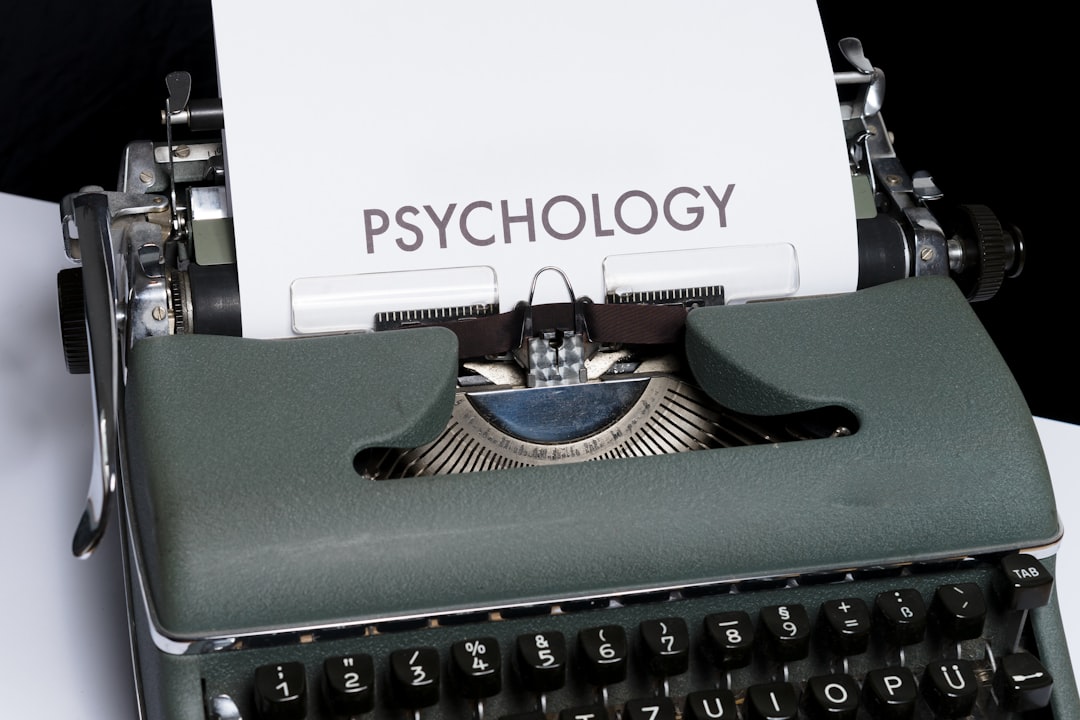
Change fatigue is reshaping the fashion industry. Here's how brands and consumers can cope and thrive in this era of constant transformation.

New York, USA — Change fatigue is becoming a significant psychological burden in the fashion industry, where rapid shifts in trends, sustainability demands, and consumer expectations are the new norm. As brands and consumers alike grapple with this relentless pace of transformation, understanding the psychological impact of adaptation stress has never been more crucial.
The fashion industry, valued at over $2.5 trillion globally, continues to experience unprecedented changes. The rise of digital commerce, the push for sustainability, and shifting consumer preferences have accelerated the need for brands to adapt quickly. According to McKinsey’s 2023 report, fashion retailers that fail to innovate risk losing up to 30% of their market share within a few years [1]. This constant pressure to evolve creates a cycle of change fatigue that can affect both brands and their customers.
understanding change fatigue involves recognizing its psychological roots. Defined as the emotional and mental strain caused by continuous change, it can lead to feelings of anxiety, disengagement, and burnout. A recent study published in the Journal of Fashion Marketing and Management found that 67% of fashion industry workers reported feeling overwhelmed by the pace of change in their work environment [2]. This fatigue not only affects employees but extends to consumers, who find it challenging to keep up with rapidly changing styles and ethical considerations.
 Career Advice
Building a Resilient Career in Healthcare Amid Economic Uncertainty
Discover actionable strategies to build a resilient healthcare career that can withstand economic downturns. Learn how to adapt and thrive…
Read More →
A recent study published in the Journal of Fashion Marketing and Management found that 67% of fashion industry workers reported feeling overwhelmed by the pace of change in their work environment [2].
The current landscape necessitates a deeper examination of how change fatigue manifests and its implications. Fashion brands are increasingly aware of the mental toll their strategies can take. For instance, H&M has implemented a “sustainable fashion” initiative aimed at reducing pressure on their supply chain while promoting conscious consumerism. However, even well-intentioned changes can lead to confusion and fatigue among consumers, who must constantly adapt their purchasing habits.
Another factor contributing to change fatigue is the digital transformation of the industry. The integration of social media marketing and influencer partnerships has accelerated the speed at which trends emerge and fade. According to a 2024 report from Statista, 82% of consumers feel pressured to stay current with fashion trends because of social media [3]. This relentless cycle can leave individuals feeling inadequate, exacerbating stress and dissatisfaction.
Experts suggest that brands must prioritize strategies that foster resilience and adaptability. This includes creating a more sustainable pace of change that allows both employees and consumers to process transformations. Companies like Patagonia have successfully cultivated strong brand loyalty by promoting transparency and ethical practices, which in turn alleviate some of the pressures associated with constant change.
 Education
Schneider Electric Partners with VIT to Accelerate Smart City and Factory Innovation in India
Schneider Electric and Vellore Institute of Technology formally launched a partnership to drive research and innovation in Smart City and…
Read More →
Moreover, fostering a culture of open communication within organizations can mitigate the effects of change fatigue. Encouraging employees to voice their concerns and share feedback can lead to better decision-making and more thoughtful implementation of changes. As we move forward, brands must balance innovation with the necessity of maintaining a supportive environment for both their workforce and their customers.
The road ahead for the fashion industry is fraught with challenges, but it also presents opportunities for brands willing to rethink their approach to change. By prioritizing mental well-being and sustainable practices, companies can not only navigate the complexities of the current market but also build lasting relationships with consumers. The question remains: how can the industry collectively shift its mindset to embrace change as a force for good rather than a source of fatigue?