
No products in the cart.

Navigating the Future: AI’s Impact on Maritime Careers
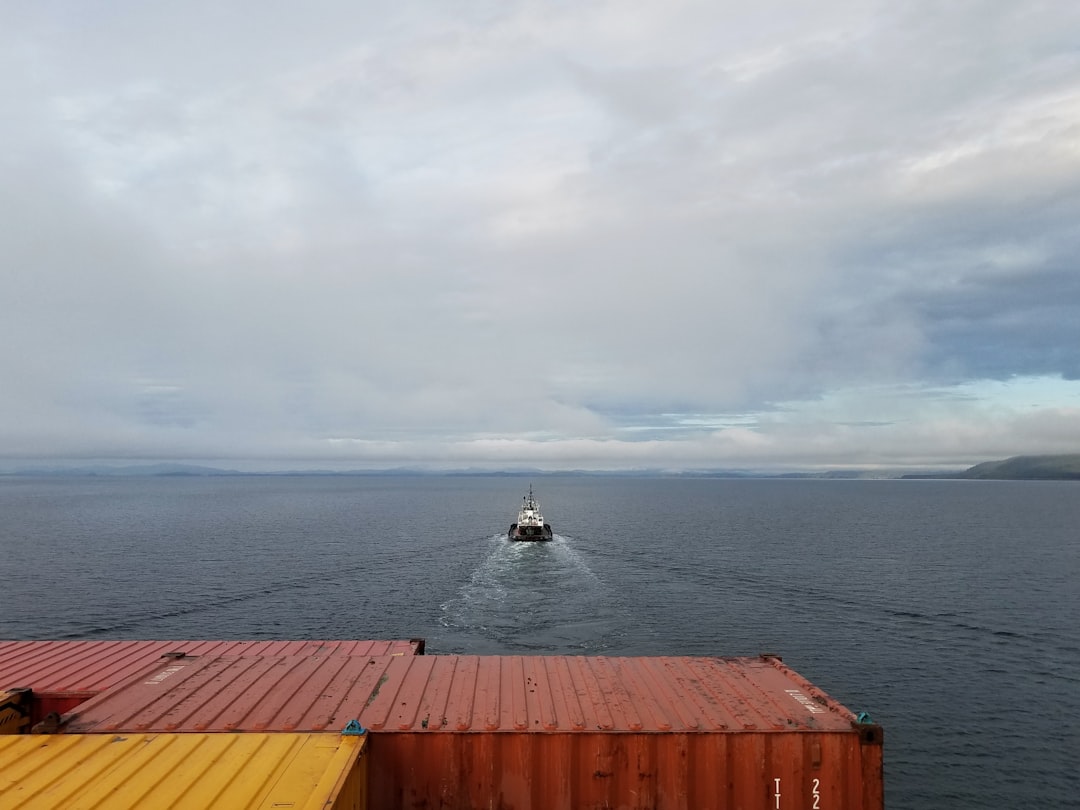
AI is revolutionizing the shipping industry, impacting navigation and job roles. Discover how this technology shapes future maritime careers.

Seattle, USA — The maritime industry is on the brink of a technological revolution.
Artificial intelligence (AI) is not just a buzzword; it’s a transformative force reshaping how shipping operates. From navigation systems that optimize routes to predictive safety measures that enhance operational efficiency, AI is redefining maritime careers. The implications for job roles, skill requirements, and industry dynamics are profound.
As of 2023, the global shipping industry is valued at approximately $1.8 trillion, and the integration of AI technologies is expected to increase productivity by 20% over the next decade [1]. Companies like Maersk and Hapag-Lloyd are already investing heavily in AI-driven solutions that promise to streamline operations and reduce costs. But what does this mean for the future workforce?
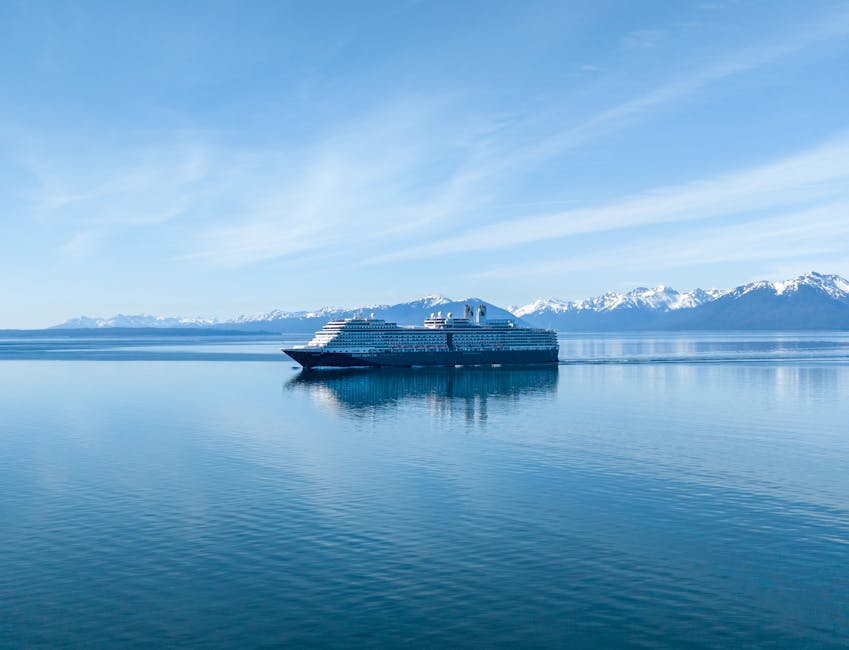
AI Technologies Transforming Maritime Operations
AI is being utilized across various aspects of shipping. Advanced navigation systems leverage machine learning algorithms to analyze weather patterns, ocean currents, and port congestion, allowing vessels to chart optimal courses. For example, the Port of Rotterdam has implemented AI for predictive maintenance, significantly reducing downtime and improving operational efficiency [2].
In cargo optimization, AI algorithms analyze historical shipping data to predict demand and adjust shipping schedules accordingly. This not only maximizes cargo space but also minimizes wasted resources. A study by the International Maritime Organization (IMO) indicates that utilizing AI in logistics can enhance efficiency by up to 30% [3].
Advanced navigation systems leverage machine learning algorithms to analyze weather patterns, ocean currents, and port congestion, allowing vessels to chart optimal courses.
Moreover, predictive safety systems are being developed to foresee potential hazards in real-time. Technologies that monitor vessel conditions and environmental factors can alert crews to dangers before they escalate, thereby reducing accidents and improving crew safety.
Impact on Maritime Employment
The rise of AI in shipping inevitably raises questions about job displacement. While automation may replace some traditional roles, it also creates new opportunities. According to the World Economic Forum, 85 million jobs may be displaced by 2025, but 97 million new roles could emerge due to the rise of technology [4].
Maritime professionals will need to adapt. Skills in data analysis, AI management, and cybersecurity will become increasingly valuable. The industry will require a workforce that not only understands traditional shipping logistics but also possesses technical proficiency in new AI tools. Upskilling and reskilling will be essential.
Training programs are evolving to meet these needs. Institutions like the Massachusetts Maritime Academy are now incorporating AI and data analytics into their curricula, preparing students for a future where technology plays a central role in maritime operations.
Challenges and Considerations
Despite its potential, the integration of AI in shipping is not without challenges. Data privacy concerns, cybersecurity threats, and the need for robust regulatory frameworks are significant hurdles. The shipping industry is notoriously slow to adopt new technologies due to its complexity and the high stakes involved.
You may also like
 Career Development
US Education and Labor Departments Partner to Align College Programs with Workforce Needs
The US Education and Labor Departments are launching a partnership to connect college programs with workforce needs, aiming to enhance career readiness for students.
Read More →Moreover, there’s an ongoing debate about the ethical implications of AI decision-making. For instance, who is liable in the event of an accident involving an autonomous vessel? As AI systems take on more responsibilities, these questions become critical and require thorough examination.
Skills in data analysis, AI management, and cybersecurity will become increasingly valuable.
A Forward-Looking Perspective
The maritime industry stands at a crossroads. Embracing AI will not only enhance operational efficiency but will also redefine maritime careers. Companies that invest in AI technologies are likely to lead the market, but they must also prioritize workforce development.
As we navigate this transition, it’s imperative for maritime professionals to engage in lifelong learning. The ability to adapt to technological advancements will determine career longevity and success in this evolving landscape. Being proactive about skill development will be crucial for those looking to thrive in the AI-driven maritime sector.








Good day
I am presently sailing as master on oil tanker vessel looking for AI related course or training which can give growth to my career on shore jobs