No products in the cart.

New Zealand Opens New Doors for Travelers with Seasonal Work Visas Offering Opportunities to Live, Work, and Explore the Country for Extended Stays

New Zealand has expanded its seasonal work visa offerings, providing young professionals aged 16-35 with enhanced opportunities to live, work, and explore the country for extended periods while gaining valuable career experience.

New Zealand Opens New Doors for Travelers with Seasonal Work Visas Offering Opportunities to Live, Work, and Explore the Country for Extended Stays
For young professionals and aspiring adventurers aged 16 to 35, New Zealand has significantly expanded its seasonal work visa offerings, presenting unparalleled opportunities to live, work, and explore its stunning landscapes for extended periods. This strategic move, primarily driven by persistent labor shortages across key sectors, positions New Zealand as an attractive destination for those seeking both career development and an immersive cultural experience. The enhancements, which began rolling out in late 2023, aim to attract a diverse pool of international talent, particularly for the upcoming peak seasons in horticulture, viticulture, and tourism.
The initiative builds upon existing frameworks like the Recognised Seasonal Employer (RSE) scheme and various Working Holiday Visa categories, introducing greater flexibility and longer stay options. Immigration New Zealand confirmed in its Q3 2023 policy update that these changes are designed to address an estimated 15,000-20,000 seasonal vacancies annually, with a particular focus on the summer and autumn harvest periods. This expansion offers a tangible pathway for individuals to gain international work experience, develop new skills, and contribute to New Zealand’s vibrant economy while experiencing life in a new country.
Unlocking New Zealand’s Seasonal Opportunities: A Career Pathway
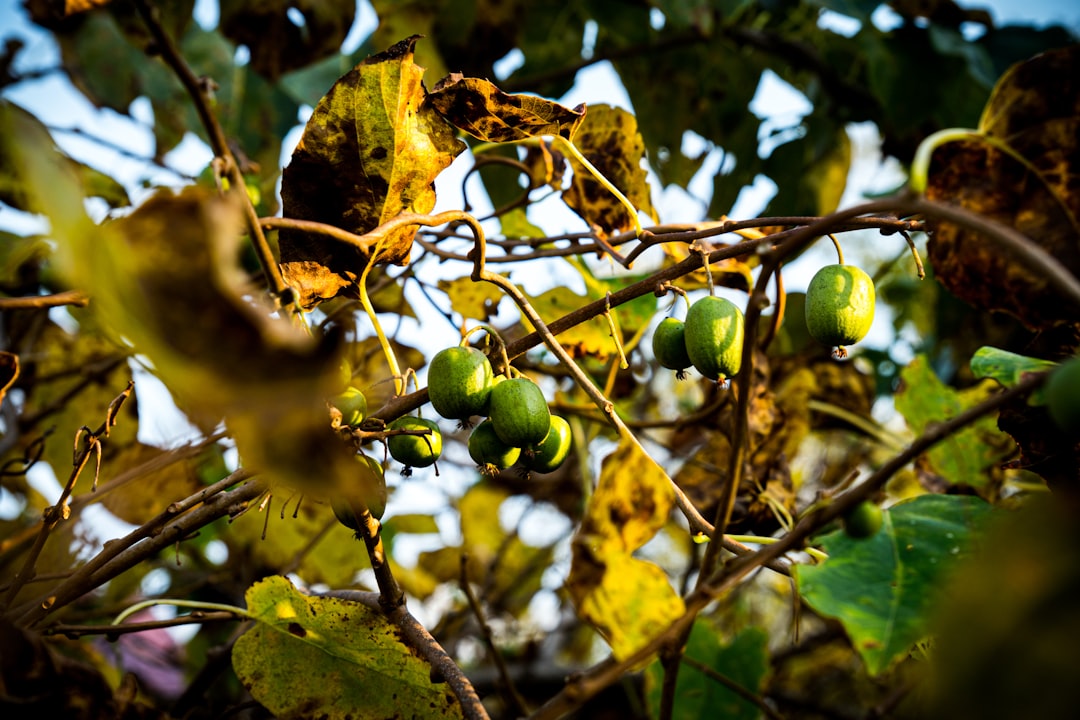
New Zealand’s seasonal work landscape is diverse, primarily concentrated in its thriving primary industries and burgeoning tourism sector. The horticulture and viticulture industries, particularly in regions like Hawke’s Bay, Marlborough, and Bay of Plenty, are consistently in high demand for skilled and semi-skilled workers. For instance, the kiwifruit harvest (March-June) and apple picking season (February-May) alone require thousands of workers annually. According to Horticulture New Zealand’s 2023 Industry Outlook, the sector projected a need for over 12,000 seasonal workers for the 2024 harvest, representing a 7% increase from the previous year.
Beyond the fields and vineyards, the tourism and hospitality sectors, especially in hotspots like Queenstown, Rotorua, and Auckland, also present significant opportunities. Roles range from hotel staff and tour guides to restaurant servers and adventure activity operators, with peak demand typically spanning from November to April. Ms. Eleanor Vance, Senior Policy Analyst at Immigration New Zealand, noted in a December 2023 press briefing, “Our goal is to streamline the process for eligible applicants, ensuring that New Zealand’s critical industries have the workforce they need while offering a rewarding experience for international workers. We’ve seen a 25% increase in RSE visa allocations for the 2023-2024 season, reaching a record 19,500 places.”
 Education
Open Book Exams in India: A Paradigm Shift in Education
The CBSE's innovative open book exam initiative marks a significant shift towards fostering analytical thinking and understanding in students, promising…
Read More →For those aged 18-30 (or 18-35 for some countries), the Working Holiday Visa (WHV) remains a popular entry point, now with enhanced options for extensions. Previously, extensions were often limited; however, recent policy adjustments allow for up to an additional three months if applicants complete three months of specified seasonal work, potentially extending their stay to 15 months. This provides a crucial window for career-focused individuals to gain substantial work experience. Average hourly wages for seasonal work typically range from NZD $22.70 (minimum wage) to NZD $28.00, depending on the role and experience, offering a viable income to cover living expenses and travel.
Skills, Growth, and Long-Term Prospects: Beyond the Season Engaging in seasonal work in New Zealand offers more than just a paycheck; it’s a strategic move for career development.
Skills, Growth, and Long-Term Prospects: Beyond the Season
Engaging in seasonal work in New Zealand offers more than just a paycheck; it’s a strategic move for career development. Participants acquire a range of transferable skills highly valued in the global job market, including adaptability, problem-solving, teamwork, and cross-cultural communication. For instance, working in a fast-paced harvest environment hones efficiency and resilience, while roles in tourism develop customer service and communication expertise. Many employers also offer on-the-job training, such as operating machinery in vineyards or gaining certifications in food safety, which can be valuable additions to any resume.
“Seasonal work is an excellent foundation for young professionals looking to diversify their skill set and build an international network,” explains Dr. Liam O’Connell, CEO of Career Pathways NZ, a non-profit career advisory service. “We’ve observed that individuals who successfully complete a seasonal stint often find it easier to secure subsequent roles, either within New Zealand or upon returning home, due to their demonstrated work ethic and global perspective. Some even leverage these connections into longer-term sponsored employment, particularly in sectors facing persistent skill shortages like viticulture management or specialized tourism roles.”
The future outlook for seasonal employment in New Zealand remains robust for the next 6-24 months. Projections from the Ministry for Primary Industries (MPI) indicate continued growth in agricultural exports, sustaining demand for seasonal labor. Similarly, with international tourism steadily recovering to pre-pandemic levels, the hospitality sector anticipates a sustained need for staff. This consistent demand provides a predictable environment for planning future career moves, allowing individuals to target specific seasons or regions that align with their professional aspirations.

Furthermore, the experience can be a stepping stone for those considering a more permanent move or further education. Understanding the local work culture and building professional relationships can be invaluable for navigating New Zealand’s immigration pathways. For example, some RSE workers, after several seasons, may qualify for other visa categories if they gain specific skills or qualifications that are on the country’s skill shortage lists. This long-term perspective transforms a temporary work experience into a potential career launchpad.
 Banking & Finance
SMA in a Credit Report: What It Means and How It Affects You
Discover the meaning of SMA in credit reports and its significant impact on your credit score, along with actionable steps…
Read More →
Navigating Your Application: Essential Steps for Success
Embarking on a seasonal work journey in New Zealand requires careful planning and adherence to specific application procedures. The primary resources are the official Immigration New Zealand website and accredited recruitment agencies. For Working Holiday Visas, applicants typically need to be between 18 and 30 years old (or 35 for citizens of certain countries), hold a valid passport, possess sufficient funds (approximately NZD $4,200) to support themselves, and have a return ticket or sufficient funds to purchase one. Applications are generally processed online, and it is advisable to apply 3-6 months before your intended travel date, especially for popular seasons.
For the RSE scheme, the process is slightly different, as workers are recruited directly by approved New Zealand employers. These employers manage the visa application on behalf of the worker, covering aspects like flights and accommodation. Prospective RSE workers should seek out reputable recruitment agencies or directly contact New Zealand employers listed on the Immigration New Zealand website. Essential documents for both visa types include a valid passport, proof of funds, and potentially a medical certificate or police clearance, depending on your country of origin and length of stay.
This consistent demand provides a predictable environment for planning future career moves, allowing individuals to target specific seasons or regions that align with their professional aspirations.
To maximize your chances of success, tailor your resume to highlight relevant experience, even if it’s not directly seasonal work. Emphasize transferable skills like physical fitness, reliability, and a strong work ethic. Networking, even virtually, with individuals who have previously undertaken seasonal work can provide invaluable insights and tips. The return on investment for this experience is significant: not only do you gain international work experience and develop new skills, but you also immerse yourself in a new culture, build a global network, and create memories that last a lifetime. New Zealand’s open doors offer a compelling proposition for career-focused individuals ready for their next adventure.

Sources:
 Business And Entrepreneurship
Leveraging Entrepreneurial Skills for Corporate Success
Explore how skills from side businesses can propel your corporate success, enhancing both individual careers and company performance.
Read More →Sources: Travel And Tour World (2023-12-15), Immigration New Zealand Q3 2023 Policy Update (2023-10-20), Horticulture New Zealand 2023 Industry Outlook (2023-11-01), Career Pathways NZ Annual Report (2023-12-05)