No products in the cart.

Nvidia and Tesla: Diverging Paths to Self-Driving Success

Nvidia and Tesla are on a collision course in the self-driving arena, but their strategies differ significantly. This analysis explores their paths and implications for the industry.

Santa Clara, USA — Nvidia and Tesla are engaged in a high-stakes race to dominate the self-driving vehicle market. At the recent CES trade show in Las Vegas, Nvidia’s CEO Jensen Huang presented a bold vision for autonomous driving technology that challenges Tesla’s approach. This competition is significant not just for these companies but for the entire automotive industry and consumers alike.
The self-driving car market is projected to reach $556 billion by 2026, according to a report by Allied Market Research. With such vast potential, both Nvidia and Tesla are investing heavily in technology and innovation. However, their paths to achieving fully autonomous vehicles differ markedly.
Nvidia is focusing on providing advanced computing platforms to automakers. Their Drive platform utilizes powerful GPUs and AI to enhance vehicle capabilities. This strategy allows car manufacturers to integrate Nvidia’s technology into their vehicles, creating a network of self-driving cars that can communicate and learn from each other. Huang emphasized this at CES, stating that Nvidia aims to build the “computing brain” for autonomous vehicles.
Nvidia’s Approach: The Computing Power Behind Self-Driving
Nvidia’s strategy centers on collaboration with various automakers. By licensing its technology, Nvidia empowers manufacturers to build their self-driving systems on a robust foundation. This model allows for a diverse range of vehicles equipped with cutting-edge autonomous features, from luxury cars to mass-market models.
 Economics
US Job Growth Surpasses Expectations in January 2026
US employment rose by 130,000 jobs in January 2026, surpassing expectations. This article explores the implications for job seekers and…
Read More →Moreover, Nvidia’s focus on AI and machine learning enhances the adaptability of their systems. The company’s technology can process vast amounts of data from sensors, cameras, and radar, enabling vehicles to make real-time decisions. This capability is crucial for navigating complex urban environments, where quick reflexes are essential.
This capability is crucial for navigating complex urban environments, where quick reflexes are essential.
In contrast, Tesla takes a different route. The company develops its hardware and software in-house, creating a vertically integrated system. Tesla’s Full Self-Driving (FSD) software relies on data collected from its fleet of vehicles, which continuously learn and improve over time. CEO Elon Musk has repeatedly stated that Tesla’s approach is about building an ecosystem that learns from real-world driving experiences.
Tesla’s Strategy: Learning from the Road
By leveraging its existing customer base, Tesla gathers data from millions of miles driven. This data helps refine its algorithms and improve FSD capabilities. Musk believes that this real-world feedback loop is vital for achieving full autonomy faster than competitors who rely on simulation or external partnerships.
However, Tesla’s approach is not without its challenges. The company has faced scrutiny over the safety of its self-driving features, with regulators raising concerns about the technology’s readiness for widespread use. This scrutiny could impact Tesla’s market position as consumers become more cautious about adopting self-driving cars.
Both companies are racing towards a similar goal but are navigating distinct paths. Nvidia’s model emphasizes partnerships and technology licensing, while Tesla’s strategy focuses on direct consumer engagement and data-driven improvements.
 Job Market
India’s IT and GCC Job Market: Insights for 2026
Discover key insights into India's IT job market as it evolves towards 2026, focusing on trends, opportunities, and future challenges.
Read More →Mid-career professionals may consider upskilling in AI or data science to remain competitive.
What This Means for Your Career in Tech
The competition between Nvidia and Tesla opens various career opportunities in the tech and automotive sectors. As the demand for self-driving technology grows, professionals with experience in AI, machine learning, and automotive engineering will be in high demand.
For entry-level candidates, pursuing internships or entry positions at companies involved in autonomous technology can provide valuable experience. Mid-career professionals may consider upskilling in AI or data science to remain competitive.
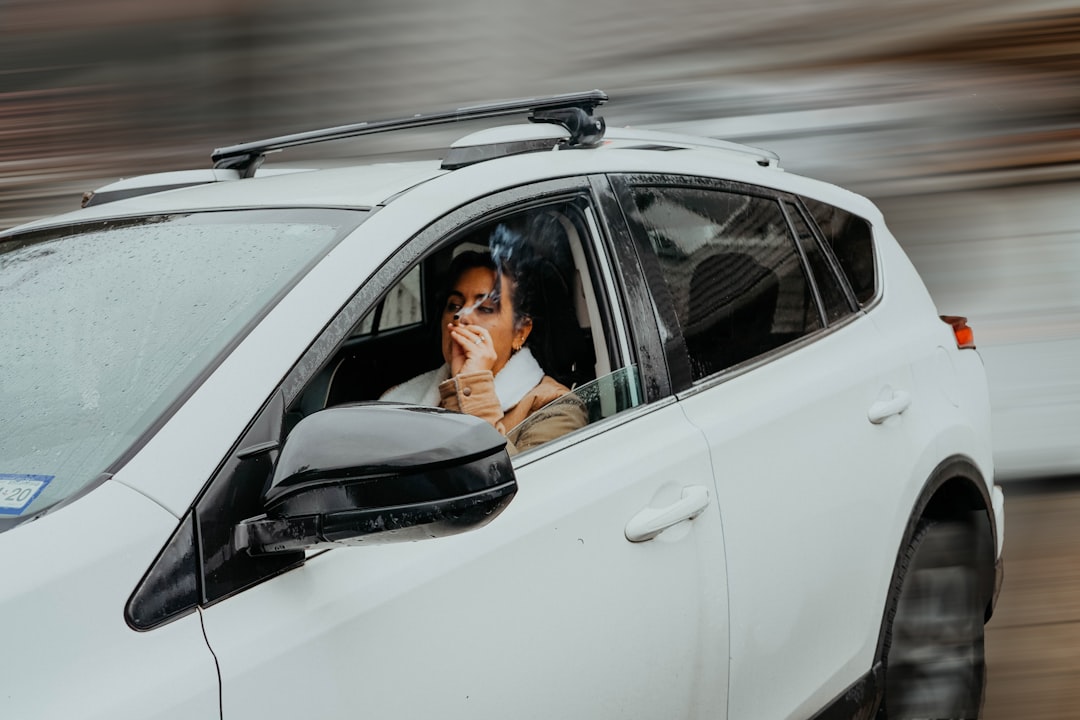
Career switchers can also find opportunities in this burgeoning field. Many companies are looking for individuals with diverse backgrounds who can bring fresh perspectives to the development of self-driving technology.
- Network with industry professionals: Attend conferences and seminars focused on autonomous vehicles to meet key players in the field.
- Enroll in relevant courses: Online platforms offer courses in AI, machine learning, and automotive technology that can enhance your skills.
- Stay updated on industry trends: Follow news related to self-driving technology to understand where the market is heading and identify potential job openings.
However, experts warn that the race for self-driving technology may not be as straightforward as it seems. According to a report by McKinsey, while both companies are making significant strides, the regulatory environment and public acceptance remain significant hurdles. They caution that the technology’s potential is vast, but achieving full autonomy will require overcoming these challenges.
Network with industry professionals: Attend conferences and seminars focused on autonomous vehicles to meet key players in the field.
The Future of Autonomous Driving Technology
 Digital Innovation
Elon Musk’s X to Open Source Algorithm in Seven Days
Elon Musk's social media platform X will open its algorithm to the public in seven days, a move aimed at…
Read More →The competition between Nvidia and Tesla will shape the future of autonomous driving technology. As both companies push the boundaries of innovation, the landscape of the automotive industry will continue to evolve. Consumers can expect to see more advanced features in their vehicles, leading to safer and more efficient transportation.
As these companies refine their technologies, the question remains: which approach will ultimately lead to true autonomy? Will Nvidia’s collaborative strategy or Tesla’s data-driven model prevail in the race for self-driving supremacy? The outcome will significantly impact not only the companies involved but also the future of mobility for everyone.