No products in the cart.

Over 1,840 Professors of Practice Appointed in India’s Higher Education

India has appointed over 1,840 industry experts as Professors of Practice across 349 higher education institutions, aiming to strengthen academia-industry ties and improve skill-based learning.

New Delhi, India — The Indian government has appointed over 1,840 industry professionals as Professors of Practice (PoP) across 349 higher education institutions. This initiative, part of the National Education Policy (NEP) 2020, aims to enhance the quality of education through stronger industry-academia collaboration. Union Minister of State for Education, Sukanta Majumdar, announced these appointments in response to a question in the Rajya Sabha, highlighting the government’s commitment to skill-based learning.
The move is significant as it aligns with the growing demand for practical knowledge in education. The appointed Professors of Practice come from diverse backgrounds, bringing real-world experience to the classroom. This approach is expected to bridge the gap between theoretical knowledge and practical application, which is crucial for students entering the workforce.
With a total of 1,841 PoP appointed as of January 5, 2026, the majority of these positions have been filled by private universities (715), followed by deemed universities (699), state universities (212), and central universities (15). Additionally, colleges have accounted for another 200 appointments. This distribution indicates a trend where private institutions are taking the lead in enhancing their academic offerings through industry expertise.
Why Industry Experts Are Joining Academia
The appointment of Professors of Practice is not just about filling positions; it reflects a broader strategy to integrate industry insights into academic curricula. According to data from the Ministry of Education, the highest number of appointments has been made in Tamil Nadu (395), followed by Maharashtra (193) and Gujarat (179). This geographical distribution showcases the regions that are prioritizing educational reforms and industry collaboration.
 Artificial Intelligence
How Europe Can Harness AI for Economic Growth
Christine Lagarde highlights the potential for AI to boost Europe's economy. Explore how this technology can reshape industries and impact…
Read More →Professors of Practice are typically appointed on a temporary basis, with a maximum tenure of three years, extendable by one year under exceptional circumstances. This flexible arrangement allows institutions to adapt and bring in fresh perspectives as industries evolve. The initiative aims to encourage professionals in leadership roles to contribute to education, fostering a culture of knowledge sharing.
The policy advocates for a more hands-on approach to education, where students gain practical skills that are directly applicable in their careers.
This development is crucial as it aligns with the NEP 2020’s emphasis on skill-based learning. The policy advocates for a more hands-on approach to education, where students gain practical skills that are directly applicable in their careers. By involving industry experts in teaching roles, students can benefit from their real-world experiences, making their education more relevant and impactful.
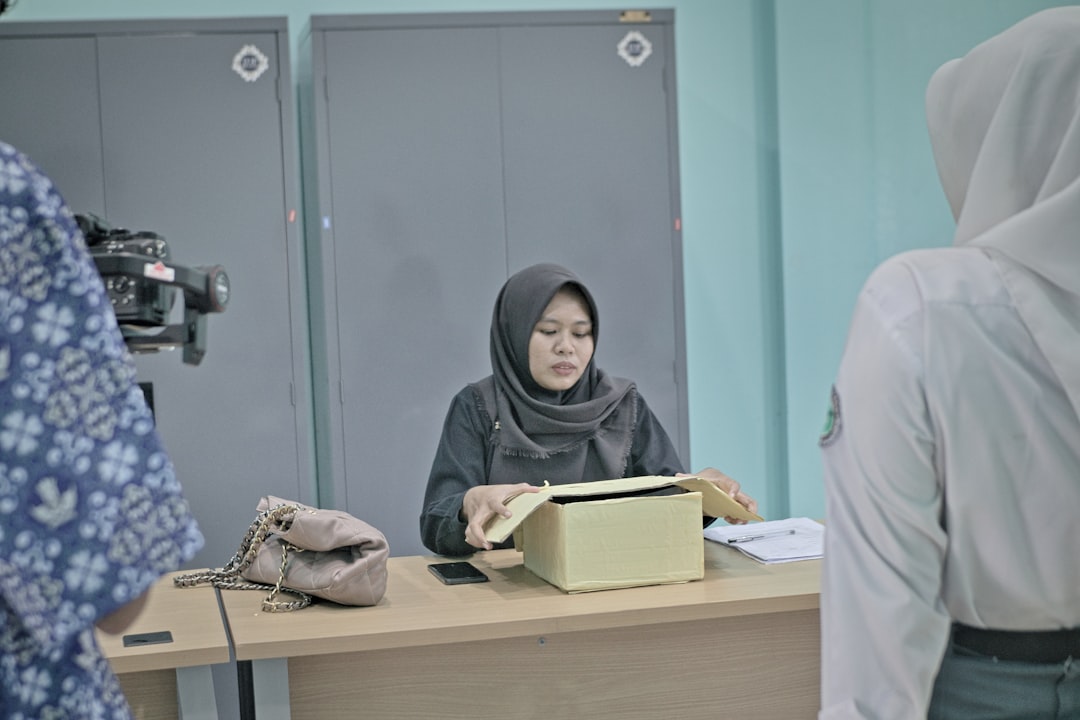
Moreover, the initiative responds to the growing concern among employers about the readiness of graduates for the workforce. According to a report by the World Economic Forum, 94% of business leaders expect employees to pick up new skills on the job. This highlights the importance of integrating practical knowledge into academic programs to prepare students for the demands of the modern job market.
How This Affects Job Readiness for Graduates
The impact of appointing Professors of Practice on job readiness is significant. With industry experts teaching students, there is a higher likelihood that graduates will possess the skills employers are looking for. This change is particularly beneficial for entry-level job seekers who often struggle to find positions that match their qualifications.
According to a recent survey by the National Association of Colleges and Employers (NACE), employers prioritize candidates with practical experience. The introduction of Professors of Practice can help students gain that experience through internships, projects, and networking opportunities facilitated by their instructors.
 Career Development
Leading from the Middle: Strategies for Influence
Learn practical strategies for emerging leaders to influence effectively and lead without being in charge.
Read More →For mid-career professionals looking to switch fields, these appointments provide a chance to learn from those who have successfully navigated similar transitions. The insights gained from industry veterans can guide career switchers in making informed decisions about their next steps.

For mid-career professionals looking to switch fields, these appointments provide a chance to learn from those who have successfully navigated similar transitions.
- Leverage Networking Opportunities: Engage with Professors of Practice to expand your professional network.
- Participate in Industry Projects: Seek opportunities to work on real-world projects that enhance your skills.
- Stay Updated on Industry Trends: Use knowledge from PoP to keep abreast of changes in your field.
However, experts warn that while this initiative is promising, it may not be a panacea for all educational shortcomings. Critics argue that the effectiveness of this model depends on the commitment of universities to integrate industry insights into the curriculum genuinely. A report from the University Grants Commission (UGC) highlights that many central universities have lagged in hiring Professors of Practice, despite guidelines encouraging such appointments. This inconsistency could undermine the potential benefits of the initiative.
The Future of Higher Education in India
The appointment of Professors of Practice marks a pivotal shift in India’s higher education landscape. As institutions embrace this model, the focus will likely shift towards more practical, skill-oriented education. This could lead to a more dynamic and responsive educational framework that aligns with industry needs.
Looking ahead, this initiative could pave the way for similar reforms in other sectors of education. As more institutions recognize the value of industry collaboration, we may see an increase in programs designed to enhance employability and bridge the skills gap. The success of this model will depend on the ongoing engagement of industry professionals and the adaptability of academic institutions.

 Higher Education
Fostering Inclusion in Science: A Global Imperative
Discover actionable strategies and programs aimed at increasing diversity and inclusion in scientific communities worldwide.
Read More →As this trend unfolds, one question remains: How will students and educational institutions respond to the evolving demands of the job market?