No products in the cart.

Pi Network Secures MiCA Compliance, Setting New Standard for Crypto Regulation
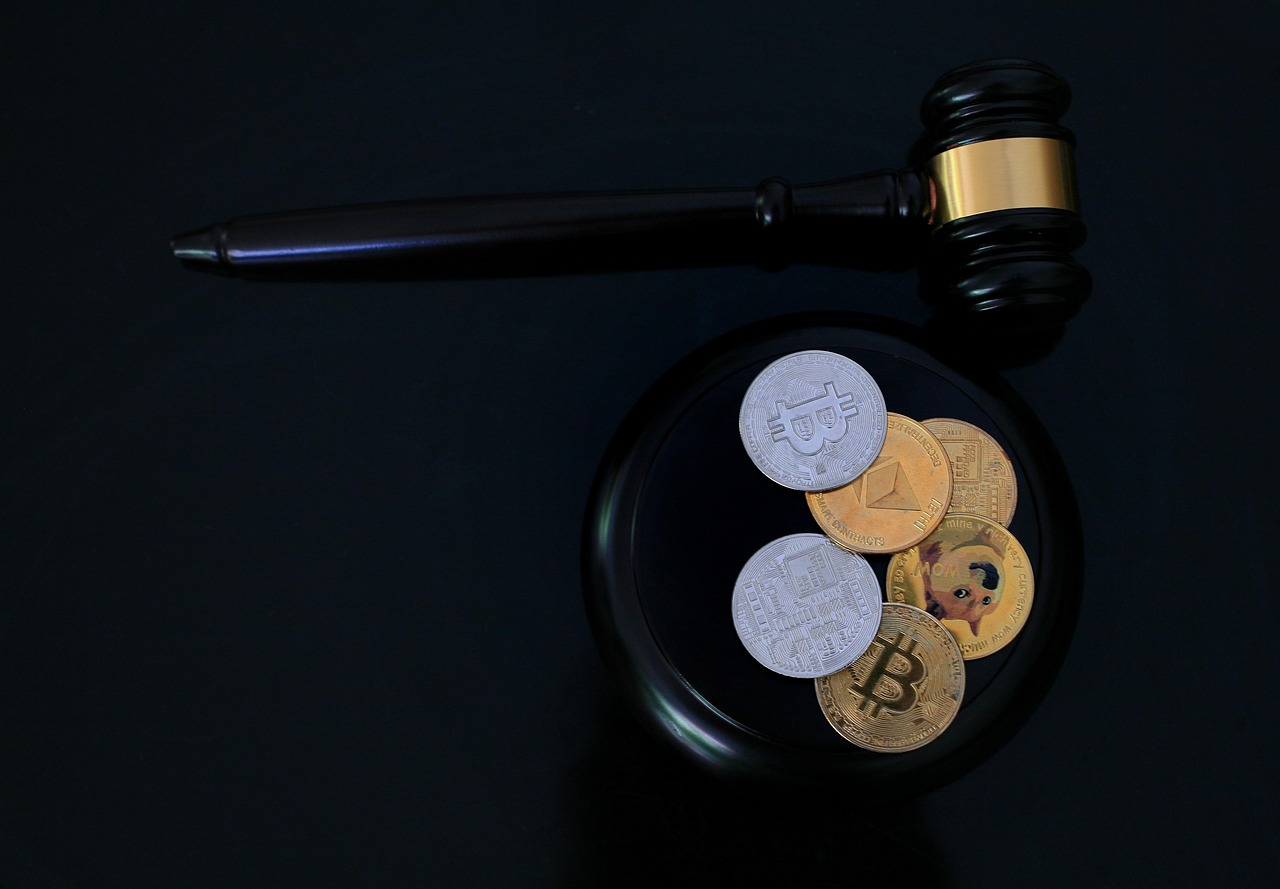
Pi Network’s recent MiCA compliance certification signals a major advancement in cryptocurrency regulation, reinforcing trust and setting a benchmark for global digital asset governance.

Brussels, Belgium — Pi Network, a blockchain project known for its mobile-based cryptocurrency, has announced full compliance with the European Union’s Markets in Crypto-Assets (MiCA) regulation as of November 2025. This regulatory milestone positions Pi Network among the first global crypto platforms to meet the EU’s comprehensive legal framework designed to govern digital assets and related services.[1]
MiCA, finalized in 2024 and entering into force in 2025, aims to standardize crypto regulation across the EU’s 27 member states, providing legal certainty and consumer protection. Pi Network’s compliance is significant as it signals a shift toward mainstream acceptance and regulatory transparency in a sector often criticized for opacity and risk. This development is expected to influence global crypto markets, investor confidence, and regulatory approaches worldwide.
Understanding MiCA and Its Global Impact
MiCA represents the EU’s most ambitious attempt to regulate cryptocurrencies and digital assets comprehensively. It addresses asset classification, transparency requirements, operational standards, and consumer safeguards for crypto issuers and service providers. The regulation covers stablecoins, utility tokens, and security tokens, aiming to close regulatory gaps that previously allowed unregulated activities to flourish.[2]
For Pi Network, which launched in 2019 with a novel approach to user-friendly mining on smartphones, achieving MiCA compliance means adapting its technology and governance to meet rigorous standards. This includes submitting detailed disclosures, ensuring anti-money laundering (AML) controls, and implementing investor protection measures aligned with EU law.

 Banking & Finance
How the Fintech Revolution is Redefining Careers in 2025
Fintech is transforming careers for young professionals in 2025, reshaping workplace culture with remote jobs and equity. Discover the trends…
Read More →The company has also bolstered its KYC (Know Your Customer) processes and established a formal governance framework to oversee compliance and risk management.
Pi Network’s Journey to Compliance
Pi Network’s path to MiCA compliance reflects broader trends in the cryptocurrency space, where regulatory scrutiny has intensified following high-profile collapses like FTX in late 2022. The network’s developers engaged with regulators early, investing in legal expertise to align with MiCA’s requirements ahead of the May 2025 deadline for crypto firms operating in the EU.[3]
Technically, Pi Network has enhanced its blockchain infrastructure to ensure transparency and traceability, features that regulators prioritize. The company has also bolstered its KYC (Know Your Customer) processes and established a formal governance framework to oversee compliance and risk management. These steps are designed to foster trust among users and institutional investors alike.
Global Perspectives on Crypto Regulation
Pi Network’s success in meeting MiCA standards offers a case study in how emerging crypto platforms can navigate increasingly complex regulatory landscapes. While the EU leads with MiCA, other jurisdictions such as the United States, Singapore, and the United Arab Emirates pursue their own regulatory frameworks, often with different priorities and timelines. Experts note that MiCA’s harmonized approach could become a blueprint for global crypto governance, encouraging cross-border cooperation and reducing fragmentation. However, some critics argue that stringent regulations might stifle innovation or create barriers for smaller startups. Pi Network’s experience suggests that early engagement and investment in compliance can mitigate these risks.

 AI
AITech Giants Face Major Layoffs: A 2025 Overview
In 2025, over 100,000 tech workers were laid off across major companies such as Amazon and Microsoft. This article explores…
Read More →Implications for Crypto Careers and Education
As regulatory regimes like MiCA solidify, demand is rising for professionals skilled in crypto law, compliance, and blockchain technology. Pi Network’s compliance journey underscores the need for interdisciplinary expertise combining legal knowledge with technical acumen. Universities and training programs worldwide are expanding curricula to prepare students for roles in this evolving ecosystem. For career seekers, understanding regulations like MiCA is becoming as crucial as mastering blockchain coding or financial analysis. Regulatory literacy can differentiate candidates in a crowded job market, especially within firms aiming to operate legally across multiple jurisdictions.
Looking Ahead: Regulatory Confidence and Market Evolution
Pi Network’s MiCA compliance marks a pivotal moment in the maturation of cryptocurrency markets. By meeting EU standards, the network not only enhances its credibility but also sets a precedent encouraging other crypto projects to pursue similar certifications. This trend can bolster investor confidence, reduce fraud, and pave the way for broader institutional adoption. Policymakers will likely monitor Pi Network’s post-compliance performance closely to refine regulatory frameworks further. Meanwhile, professionals in crypto, law, and finance must stay agile, as evolving rules will shape the contours of digital asset innovation and career opportunities for years to come.