No products in the cart.

Radiosurgery Market Growth Driven by Rising Cancer Rates

Rising cancer rates are fueling the growth of radiosurgery, reshaping healthcare employment and technology.

Los Angeles, USA — The global radiosurgery market is experiencing significant growth, driven by an alarming rise in cancer prevalence. According to a report by Fortune business Insights, the market is projected to reach $5.84 billion by 2028, growing at a compound annual growth rate (CAGR) of 8.5% from 2021 to 2028. This surge is not merely a statistic; it reflects the urgent need for advanced treatment options in oncology as cancer cases continue to rise worldwide.
As of 2025, the World Health Organization (WHO) reports that cancer is the second leading cause of death globally, accounting for nearly 10 million deaths in 2020 alone. This stark reality underscores the increasing demand for effective treatment modalities such as radiosurgery, which offers targeted radiation therapy with minimal damage to surrounding healthy tissues.
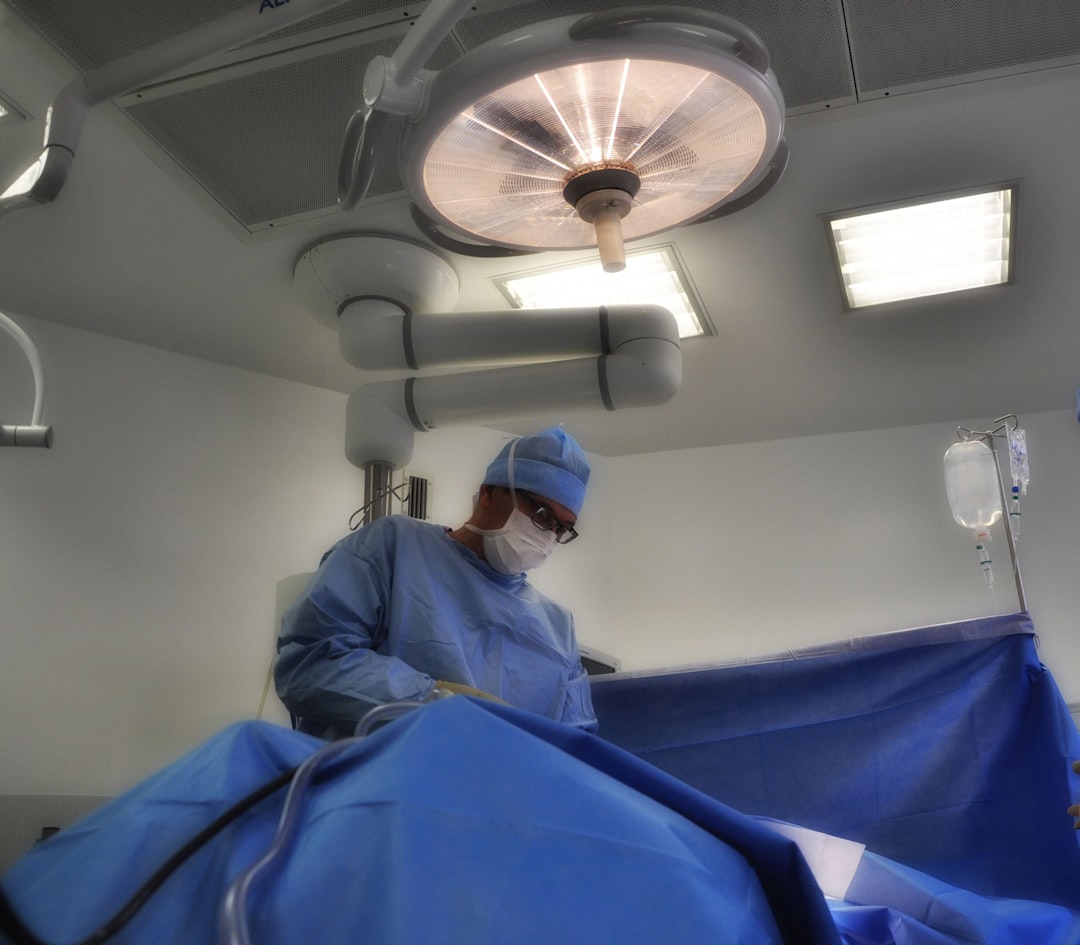
The implications of this trend extend beyond patient care. The growth of the radiosurgery market is poised to create new job opportunities in healthcare, particularly in radiology and oncology. As hospitals and clinics expand their capabilities to include advanced radiosurgical techniques, the need for skilled professionals will rise. This shift is crucial as the healthcare sector grapples with workforce shortages exacerbated by the COVID-19 pandemic.
Context and Background
 Business
The Hidden Patterns of High-Growth Career Paths
Discover how India's minicorns are redefining the startup landscape and what this means for future business growth and investment.
Read More →Radiosurgery, a non-invasive treatment option, has gained traction due to its precision and effectiveness in treating various tumors. Unlike traditional surgery, which requires incisions and longer recovery times, radiosurgery utilizes focused radiation beams to target tumors, allowing for outpatient procedures and quicker patient turnaround. The technology has evolved significantly since its inception, with advancements in imaging and treatment planning enhancing its efficacy.
As hospitals and clinics expand their capabilities to include advanced radiosurgical techniques, the need for skilled professionals will rise.
In the united states, the National Cancer Institute (NCI) projects that approximately 1.9 million new cancer cases will be diagnosed in 2025. This statistic highlights a growing patient population that requires innovative treatment solutions. The increasing incidence of cancers such as lung, breast, and prostate is contributing to the demand for radiosurgery, which is particularly effective for these types of tumors.
Analysis of Current Trends
Industry experts emphasize that the rise in cancer rates is not the only factor driving growth in the radiosurgery market. Technological advancements, including the integration of artificial intelligence (AI) in treatment planning and imaging, are enhancing the precision and outcomes of radiosurgical procedures. For instance, AI algorithms can analyze imaging data to identify tumor characteristics, enabling personalized treatment plans that improve patient outcomes.
Moreover, the increasing acceptance of radiosurgery among healthcare providers is also influencing market growth. A survey conducted by the American Society for Radiation Oncology (ASTRO) found that 82% of radiation oncologists believe that radiosurgery will become a standard treatment option for many patients in the coming years. This shift in perception is vital as it encourages more facilities to invest in the necessary technology and training.
 Social Media
The Power of Storytelling in Persuasion
Storytelling is a powerful tool in persuasion, often surpassing data in influencing decisions. Discover why emotions matter.
Read More →However, challenges remain. The high cost of radiosurgical equipment and the need for specialized training can be barriers to adoption, particularly in low- and middle-income countries. According to a report by the Global Cancer Observatory, disparities in access to cancer treatment are pronounced, with many regions lacking the resources to provide advanced therapies like radiosurgery. Addressing these inequities is essential for ensuring that all patients benefit from technological advancements.
Looking Ahead
The future of the radiosurgery market appears promising, driven by both the rising incidence of cancer and ongoing technological advancements. As healthcare systems adapt to the changing landscape of oncology, the integration of radiosurgery into standard treatment protocols is likely to expand. This evolution will necessitate a workforce equipped with the skills to operate advanced technologies and provide comprehensive patient care.
This evolution will necessitate a workforce equipped with the skills to operate advanced technologies and provide comprehensive patient care.
Furthermore, as the global population ages, the demand for effective cancer treatments will only increase. The World Health Organization estimates that by 2050, the number of people aged 60 years and older will double, leading to a higher prevalence of age-related cancers. This demographic shift presents both a challenge and an opportunity for the healthcare sector to innovate and expand treatment options.
 Law
LawNavigating a Career in Science Communication
Discover how to build a rewarding career in science communication, focusing on essential skills, media engagement, and outreach strategies.
Read More →In conclusion, the growth of the radiosurgery market is a critical response to the rising cancer epidemic. As technology continues to evolve and the healthcare workforce adapts, the potential for improved patient outcomes and expanded access to care will be significant. The question remains: how can healthcare systems ensure that advancements in radiosurgery reach those who need them most?