No products in the cart.

Reimagining Education for Generation Alpha
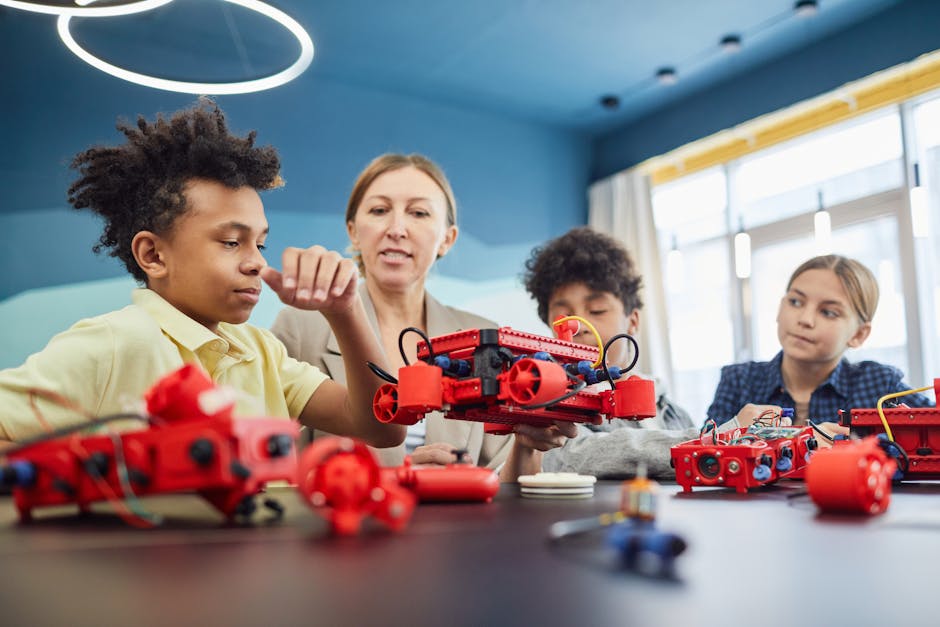
Generation Alpha will learn in ways we can only imagine, driven by immersive technology and AI. Discover the future of education.

San Francisco, USA — Generation Alpha, the cohort born from 2010 onward, is set to experience a radically different educational landscape. As technology continues to evolve, so too do the methods by which children learn. Immersive technologies and artificial intelligence (AI) are not just trends; they are becoming foundational elements of the learning experience.
Why does this matter now? With estimates suggesting that Generation Alpha will comprise over 2 billion individuals by 2025, understanding their educational needs is crucial for educators, policymakers, and parents alike. This generation will face challenges and opportunities that demand innovative pedagogical approaches, making it imperative to rethink traditional education models.

As we delve into the future of learning for this generation, it’s essential to consider the context in which these changes are occurring. The COVID-19 pandemic accelerated the adoption of digital learning tools, pushing educators to adapt quickly. According to a report by McKinsey & Company, 93% of teachers reported using technology more frequently during the pandemic than before, and many intend to continue this trend post-pandemic [1]. This shift has paved the way for a more integrated approach to education, one that aligns with the digital native tendencies of Generation Alpha.
 Agriculture
AI’s Role in Shaping Careers in Latin America’s Agriculture and Retail Sectors
AI is reshaping the landscape of careers in Latin America's agriculture and retail sectors, creating new opportunities and challenges for…
Read More →Immersive technologies, such as virtual reality (VR) and augmented reality (AR), are leading the charge in transforming educational experiences. A study by the University of Maryland found that students who engaged with VR content retained information 70% better than their peers using traditional methods [2]. Imagine a classroom where students can explore ancient civilizations through VR headsets or conduct complex scientific experiments in a simulated environment. These experiences not only enhance engagement but also foster deeper understanding.
Companies like Squirrel AI and Carnegie Learning are developing adaptive learning platforms that personalize education based on individual student performance.
AI tutors are another significant innovation on the horizon. Companies like Squirrel AI and Carnegie Learning are developing adaptive learning platforms that personalize education based on individual student performance. This tailored approach allows for a more efficient learning process, addressing the unique needs of each child. According to a report from the World Economic Forum, personalized learning can lead to a 30% increase in student performance [3].
However, the integration of these technologies is not without challenges. Concerns about screen time, data privacy, and the digital divide persist. A survey conducted by Common Sense Media found that 50% of parents worry about the amount of time their children spend on screens [4]. Additionally, ensuring equitable access to these advanced tools remains a pressing issue, particularly in underserved communities. Policymakers must address these concerns to ensure that the benefits of immersive learning are accessible to all students.
Looking ahead, the educational landscape for Generation Alpha will likely continue to evolve rapidly. As AI becomes more sophisticated, we may see the emergence of fully interactive learning environments where students can engage with content in real-time. Furthermore, as educators become more adept at integrating these technologies, we could witness a shift in the role of the teacher from a primary source of information to a facilitator of learning experiences.
 Cultural Heritage
Why India is the New Haven for Digital Nomads
India has emerged as the most affordable country for digital nomads, offering vibrant culture and low living costs. Explore the…
Read More →Moreover, the emphasis on social-emotional learning (SEL) will play a crucial role in shaping the educational environment. Generation Alpha is growing up in a world marked by rapid change and uncertainty. Schools will need to prioritize mental health and emotional well-being alongside academic achievement, fostering resilience and adaptability in students.
As we prepare for the future, it is essential to engage with Generation Alpha and understand their perspectives. Their voices will be instrumental in shaping the educational systems that serve them. By fostering collaboration between educators, parents, and technology developers, we can create an inclusive and effective learning environment that meets the needs of this new generation.
Policymakers must address these concerns to ensure that the benefits of immersive learning are accessible to all students.
The future of education is not just about technology; it’s about creating meaningful experiences that inspire and empower students. As we navigate this transition, the question remains: How can we ensure that all children, regardless of their background, benefit from the educational innovations designed for Generation Alpha? The answers will shape the future of learning for years to come.