No products in the cart.

Reinventing Museums for the Digital Generation: A New Era of Engagement
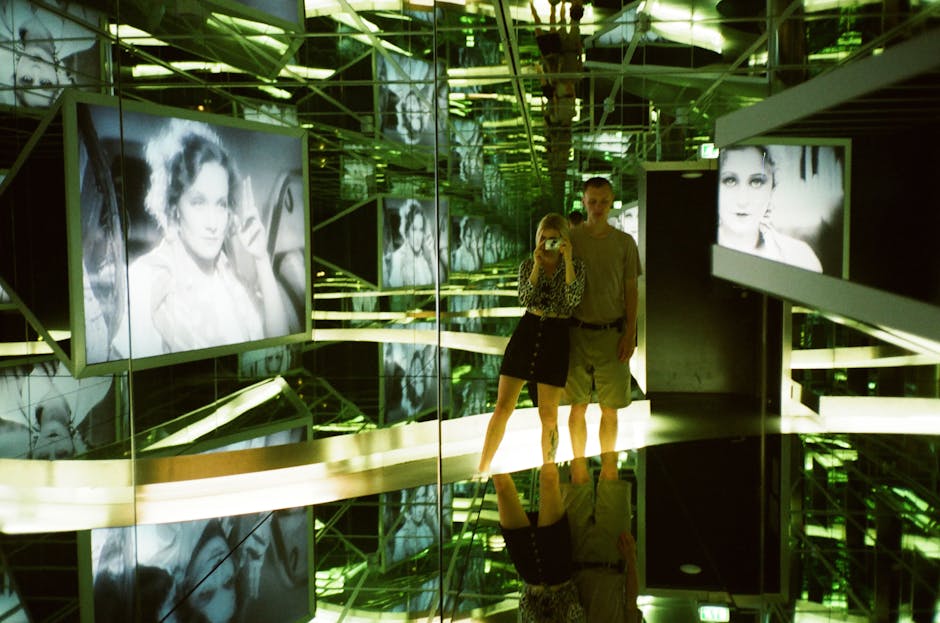
Museums are embracing the digital age by offering interactive, immersive experiences that resonate with the younger generation, redefining how we engage with art and culture.

Museums around the world are undergoing a transformative shift to cater to the digital generation, blending technology with tradition to create engaging experiences. This evolution is not just a response to changing visitor demographics but a proactive adaptation to the needs and preferences of younger audiences. As technology becomes increasingly integrated into everyday life, museums are finding innovative ways to capture the attention of tech-savvy visitors who seek more than passive observation.
Today’s youth, often referred to as digital natives, have grown up in an era dominated by screens, interactivity, and instant gratification. This shift in societal norms has prompted cultural institutions to rethink their approach to curation and visitor engagement. As a result, many museums are investing in digital tools and immersive technologies that promise to redefine the visitor experience.
For instance, augmented reality (AR) and virtual reality (VR) are becoming commonplace in exhibitions, allowing visitors to interact with artifacts and artworks in ways that were previously unimaginable. These technologies not only enhance the educational experience but also create memorable moments that resonate with younger audiences. As museums reinvent themselves, the focus is on creating environments that are not just educational but also entertaining and interactive.
How Museums Are Embracing Digital Transformation
Museums are increasingly adopting digital platforms to enhance accessibility and reach. One notable example is the Louvre in Paris, which has developed a mobile app that allows visitors to explore the museum’s collection and navigate through its vast halls with ease. The app features audio guides, high-resolution images, and interactive maps, making it easier for visitors to engage with the art.
 Artificial Intelligence
Navigating Careers in AI Regulation and Digital Freedom
As AI reshapes censorship, new career paths in digital freedom emerge, offering opportunities for those passionate about regulation and free…
Read More →Similarly, the American Museum of Natural History in New York has launched a series of interactive exhibits that utilize touch screens and multimedia displays. These innovations not only provide information but also encourage hands-on interaction, appealing to younger visitors who prefer experiential learning.
These innovations not only provide information but also encourage hands-on interaction, appealing to younger visitors who prefer experiential learning.
Moreover, many museums are leveraging social media platforms to connect with their audience. By sharing behind-the-scenes content, engaging stories, and interactive polls, museums can cultivate a sense of community and encourage dialogue among visitors. This strategy not only boosts attendance but also fosters a deeper connection between the museum and its audience.
The Impact on Visitor Engagement and Learning
The shift towards digital engagement is not just about attracting visitors; it also significantly impacts the way people learn and interact with cultural artifacts. Research indicates that interactive and immersive experiences lead to better retention and understanding of information. This is particularly crucial in a museum setting, where the goal is not only to showcase art and history but also to educate visitors.
Interactive exhibits that allow visitors to touch, manipulate, and explore artifacts can transform the learning experience. For instance, the Smithsonian Institution has implemented hands-on learning stations where children and adults alike can engage with science and history through practical activities. This approach not only makes learning fun but also encourages curiosity and critical thinking.
 Branding
The Essential Role of Human Teachers in AI Training
Human teachers play a critical role in shaping AI training, ensuring ethical development and effective learning. Explore the implications.
Read More →Furthermore, the integration of technology in museums allows for personalized experiences. Visitors can choose their own paths through exhibitions based on their interests, making each visit unique. This personalization is vital in catering to diverse audiences, ensuring that everyone finds something that resonates with them during their visit.
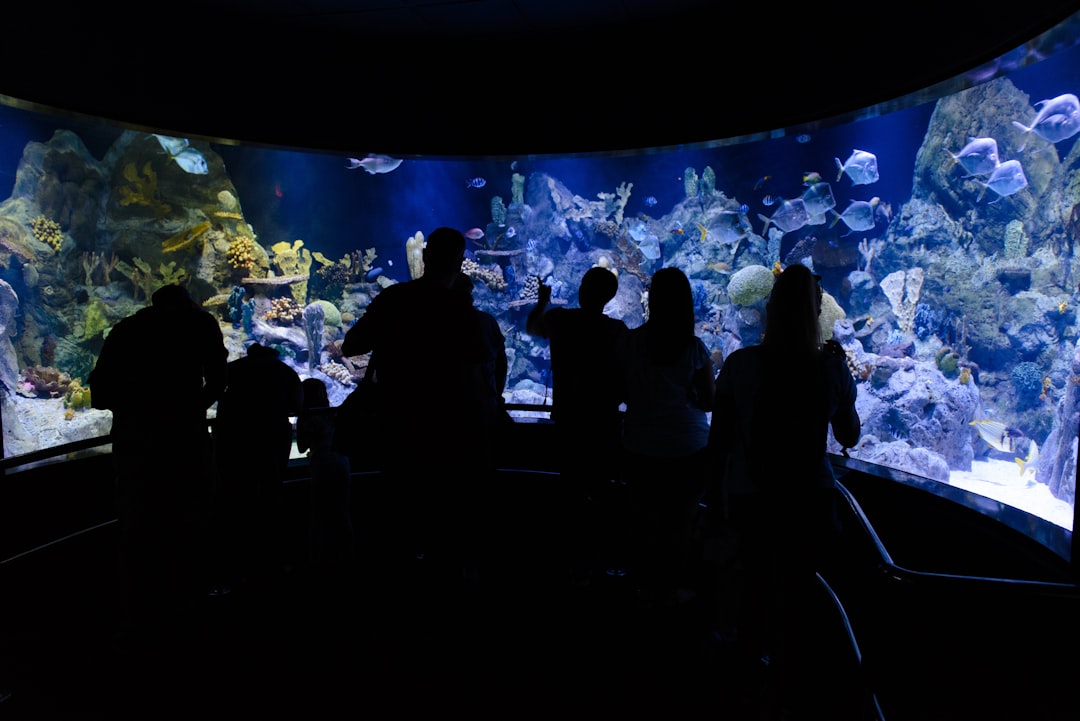
- Utilize digital tools: Explore how museums are using apps and interactive guides to enhance visitor experiences.
- Participate in social media: Follow museums on platforms like Instagram and Twitter to engage with their content and share your experiences.
- Advocate for local museums: Support initiatives that promote digital engagement in cultural institutions in your area.
However, some experts caution that while technology can enhance the museum experience, it should not overshadow the importance of traditional curation and the physical presence of artifacts. They argue that a balance must be struck to ensure that the essence of museums is not lost in the pursuit of digital innovation.
This approach not only makes learning fun but also encourages curiosity and critical thinking.
The Future of Museums in a Digital World
As museums continue to adapt to the digital age, the future looks promising yet challenging. The integration of technology will likely become deeper, with advancements such as artificial intelligence and machine learning opening new avenues for personalized visitor experiences. Museums may soon offer tailored tours based on individual preferences, creating a more customized and engaging environment.
Moreover, as younger generations increasingly prioritize sustainability and inclusivity, museums will need to reflect these values in their practices. This could involve not only the adoption of sustainable technologies but also efforts to represent diverse cultures and perspectives within their exhibitions.
 Banking & Finance
Adaptability and Agility: The Modern Professional’s Blueprint
Modern career trends emphasize adaptability, communication, entrepreneurship, and continuous learning, mirroring the ancient Greek deity Hermes' attributes for young professionals…
Read More →
The question remains: how will museums balance the allure of digital innovation with the preservation of their rich histories and traditions? As they navigate this evolving landscape, one thing is clear: the future of museums will depend on their ability to engage with visitors in meaningful and relevant ways.