No products in the cart.

Renewable Energy’s Role in Economic Transformation
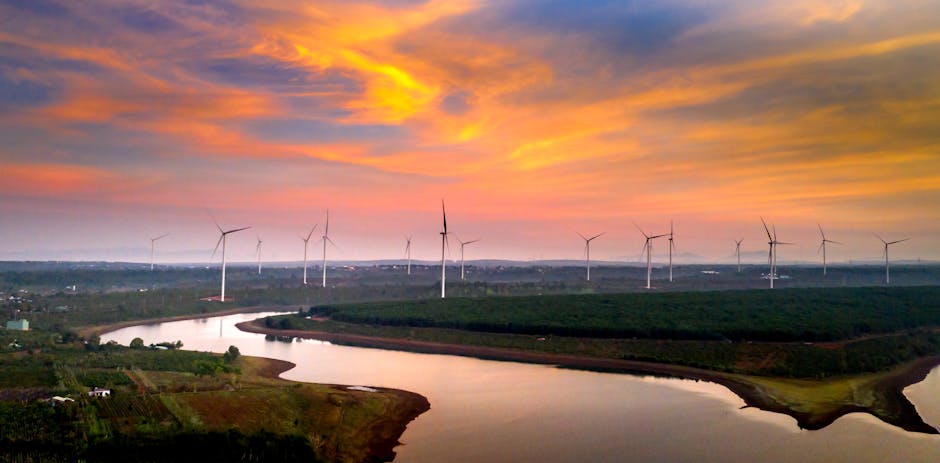
The clean energy transition is reshaping employment and investment landscapes globally. Explore its implications for the future workforce.

San Francisco, USA — The Clean Energy Transition
The shift towards renewable energy is not just a trend; it is a full-scale economic transformation. Cities like San Francisco are at the forefront of this transition, leading the way in innovative technologies and sustainable policies.
As the world grapples with climate change, the demand for clean energy sources has surged. According to the international Renewable Energy Agency (IRENA), the global renewable energy sector employed over 12 million people in 2020, a figure expected to grow to 24 million by 2030[1].

Context: The Geopolitical Landscape
The economics of clean energy extend beyond job creation. Nations are repositioning themselves on the global stage, influenced by their renewable energy capabilities. Countries rich in solar, wind, and hydro resources are now seen as energy powerhouses, altering traditional energy alliances.
 Education
The Free Learning Revolution: Why India’s SWAYAM and ePathshala Matter More Than Ever
India’s SWAYAM and ePathshala platforms are quietly transforming education — from free IIT-level courses to digital NCERT textbooks, they’re bridging…
Read More →For example, China dominates the solar panel manufacturing sector, accounting for over 70% of the global market[2]. This dominance not only boosts its economy but also enhances its geopolitical leverage. Conversely, countries reliant on fossil fuels face economic challenges as the world shifts towards sustainability.
From engineering roles in solar technology to project management in wind farms, the employment landscape is rapidly evolving.
Employment Trends in Renewable Energy
The transition to clean energy is creating a diverse array of job opportunities. From engineering roles in solar technology to project management in wind farms, the employment landscape is rapidly evolving. A report from the World Economic Forum indicates that 85 million jobs may be displaced by 2025, but 97 million new roles could emerge aligned with the green economy[3].
However, the skills gap poses a significant challenge. Many workers displaced from traditional energy sectors may lack the necessary skills to transition into renewable energy roles. Investments in training and education are crucial. Governments and private enterprises must collaborate to provide upskilling programs targeting both current and future workers.
Investment Directions and Economic Growth
Investment in renewable energy is booming. Bloomberg New Energy Finance reported that global investment in renewable energy reached $501 billion in 2020, with projections suggesting this figure could double by 2030[4]. This influx of capital not only supports job creation but also drives innovation in technology and efficiency.
 Student Experiences
Learning to Live, Living to Learn
Career Ahead “I genuinely love being a student: getting to explore entire worlds of knowledge fuels my imagination, and it…
Read More →Moreover, companies are increasingly recognizing the financial benefits of sustainable practices. A recent survey by McKinsey found that 70% of executives believe sustainability will be a key driver of growth in the coming decade[5]. As businesses pivot towards greener operations, the landscape of corporate responsibility is evolving, influencing consumer behavior and expectations.
Future Implications: The Path Ahead
The clean energy transition presents both challenges and opportunities. Policymakers must navigate the economic implications carefully, ensuring that the benefits of this transition are equitably distributed. Strategies including tax incentives for renewable projects and support for affected workers will be essential in smoothing the transition.
A recent survey by McKinsey found that 70% of executives believe sustainability will be a key driver of growth in the coming decade[5].
This transition is not just about energy; it is about creating a sustainable future that aligns with societal values. As younger generations increasingly prioritize sustainability, businesses and governments must adapt to meet these expectations. The decisions made today will define the workforce of tomorrow, shaping the global economy in unprecedented ways.
 Operations & Supply Chain
Workplace Democracy: The Future of Employee Decision-Making
Workplace democracy is emerging as a trend where employees vote on strategic decisions, fostering trust and innovation. Discover its implications.
Read More →In a world that is rapidly changing, the clean energy sector stands as a beacon of hope, promising a future where economic growth and environmental stewardship go hand in hand. The coming years will be critical in determining how effectively we harness this potential for a sustainable future.