No products in the cart.

Reshaping Supply Chains: The Quest for Sovereignty

This analysis explores the evolving landscape of supply chain sovereignty through reshoring and nearshoring trends, highlighting their implications for businesses and economies.

Washington, D.C. — The future of supply chains is under intense scrutiny as businesses grapple with the complexities of global logistics. In recent years, supply chain disruptions have underscored vulnerabilities that many had previously overlooked. The COVID-19 pandemic, geopolitical tensions, and climate change are driving companies to rethink their sourcing strategies, leading to a surge in reshoring and nearshoring initiatives.
This shift is not merely a reaction to crises; it represents a fundamental change in how companies view supply chain sovereignty. As firms prioritize resilience over cost-efficiency, the implications for the global economy and workforce are profound.
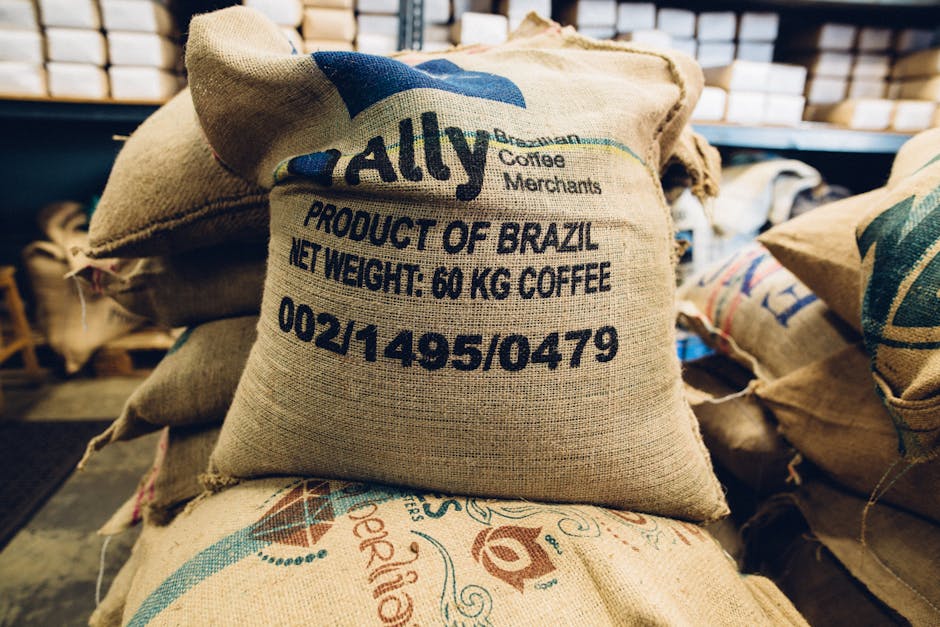
The importance of this transition cannot be overstated. According to a 2023 report from the McKinsey Global Institute, nearly 80% of executives surveyed indicated that they plan to invest in reshoring or nearshoring over the next three years. This trend is particularly relevant in the manufacturing sector, where companies are increasingly seeking to bring production closer to home. The goal is to mitigate risks associated with over-reliance on distant suppliers, especially in regions prone to geopolitical tensions or natural disasters.
 Career Development
Navigating the Future of Autonomous Transport
This article examines the evolving landscape of autonomous transport, focusing on the interplay between policy, safety, and infrastructure.
Read More →This legislative framework aims to bolster local economies while enhancing national security by reducing reliance on foreign suppliers.
Historically, globalization has encouraged companies to seek the lowest-cost manufacturing options worldwide, often at the expense of local jobs and economic stability. However, the recent disruptions have prompted a reevaluation of this strategy. The shift towards reshoring is not only about cost but also about ensuring supply chain resilience. For instance, companies like Apple and General Motors are investing billions to establish manufacturing facilities in the United States, aiming to reduce their dependence on Asian supply chains.
Furthermore, the U.S. government is actively supporting these initiatives. The Inflation Reduction Act, passed in August 2022, includes provisions that incentivize domestic manufacturing through tax credits and grants. This legislative framework aims to bolster local economies while enhancing national security by reducing reliance on foreign suppliers.
However, reshoring is not without challenges. The U.S. faces a significant skills gap, with many industries struggling to find qualified workers. According to the National Association of Manufacturers, there are over 800,000 unfilled manufacturing jobs in the U.S. as of 2023. This shortage poses a substantial obstacle to companies aiming to ramp up domestic production.
In addition, the costs associated with reshoring can be substantial. A report from the Boston Consulting Group estimates that labor costs in the U.S. are about 20% to 50% higher than those in China. This price differential raises questions about the long-term viability of reshoring as a sustainable business model.
 Education
Schools Closed in Delhi NCR Amid Rising Pollution Levels
Delhi NCR schools are closed due to severe air pollution, affecting students and parents alike. Adjustments in Bihar also impact…
Read More →Despite these challenges, many businesses are pursuing hybrid strategies that combine reshoring with nearshoring—moving production to nearby countries like Mexico or Canada. This approach allows companies to maintain proximity to their primary markets while also benefiting from lower labor costs compared to domestic production. The automotive industry, for example, is increasingly leveraging nearshoring to optimize its supply chains.
Looking ahead, the future of supply chain sovereignty will likely involve a more diversified approach. Companies are expected to adopt multi-sourcing strategies, relying on a mix of domestic and international suppliers to minimize risks. This model not only enhances resilience but also fosters innovation by encouraging competition among suppliers.
This price differential raises questions about the long-term viability of reshoring as a sustainable business model.
The implications of these shifts extend beyond individual companies. As supply chains become more localized, regional economies stand to benefit. The resurgence of manufacturing jobs in areas like the Midwest could revitalize communities that have long been impacted by offshoring. In turn, this could lead to increased consumer spending and economic growth.
In conclusion, the quest for supply chain sovereignty is reshaping the global economic landscape. As businesses navigate this transition, they must balance the need for resilience with the realities of cost and labor availability. The path forward will require innovative solutions and strategic partnerships, both locally and globally. As companies invest in their supply chains, the focus will increasingly be on creating systems that are not only efficient but also robust enough to withstand future disruptions. The next few years will be crucial in determining how well businesses adapt to and thrive in this new era of supply chain management.
 Business
UK SMEs Face £40 Billion Shipping Cost Due to New Regulations
New shipping regulations could cost UK SMEs £40 billion, impacting international trade and small business operations. Learn why this matters…
Read More →