No products in the cart.

RI Govt calls for broader support to strengthen early education

Indonesia's government is significantly boosting support for early childhood education, creating a wealth of career opportunities for young professionals in teaching, curriculum development, and educational technology.

Jakarta, Indonesia – The Indonesian government has issued a compelling call for broader national support to significantly strengthen early childhood education (ECE) across the archipelago. This strategic push, highlighted during the recent National Summit on Early Childhood Development held from November 18-19, 2023, underscores a critical commitment to nurturing the nation’s future human capital. Dr. Indah Permata, Director-General of Early Childhood Education and Primary Education at the Ministry of Education, Culture, Research, and Technology, emphasized that robust early education is not merely an academic ideal but a foundational pillar for Indonesia’s long-term economic prosperity and social equity, directly impacting the career trajectories of millions of young Indonesians.
This initiative is poised to create a ripple effect across various sectors, particularly within the education and social services industries, offering a wealth of career opportunities for individuals aged 16-35. The government’s vision extends beyond mere enrollment figures, aiming for a qualitative leap in ECE provision that demands a skilled and dedicated workforce. With a projected 15% increase in budget allocation for early education over the next two fiscal years (2024-2025), the focus is on expanding access, enhancing curriculum quality, and professionalizing the ECE workforce, thereby opening new avenues for career growth and specialization.
Investing in Futures: The Economic and Social Imperative
The Indonesian government’s intensified focus on early education is rooted in compelling economic and social data. Studies consistently demonstrate that every dollar invested in high-quality early childhood programs yields a return of IDR 4 to IDR 9 in terms of increased tax revenue, reduced healthcare costs, and decreased crime rates over the long term. Currently, Indonesia’s ECE enrollment stands at approximately 70% of eligible children aged 3-6, with a national target to reach 90% by 2028. This ambitious goal necessitates a substantial expansion of infrastructure, teaching staff, and support services, translating directly into a surge in demand for qualified professionals.
Dr. Permata highlighted that strengthening early education is integral to achieving the nation’s ‘Indonesia Emas 2045’ (Golden Indonesia 2045) vision, which aims for Indonesia to be a developed, prosperous, and equitable nation by its centennial. This vision relies heavily on a highly skilled and adaptable workforce, the foundations of which are laid in early childhood. The Ministry projects a need for an additional 150,000 certified early childhood educators and support staff nationwide over the next five years to meet the expanding demand and improve teacher-to-student ratios from the current average of 1:25 to a more optimal 1:15 in urban areas and 1:20 in rural settings. This significant recruitment drive presents a clear and immediate career pathway for young professionals.
 Career Guidance
What Your Zodiac Sign Says About Your Career Path
Explore how your zodiac sign might influence your career path, with insights from famous personalities and astrology experts. Whether you're…
Read More →Beyond direct teaching roles, the emphasis on quality improvement will fuel demand for specialists in curriculum development, educational technology integration, and child psychology. The government’s commitment includes developing standardized national curricula that incorporate local wisdom and digital literacy from an early age, requiring experts who can design, implement, and evaluate these programs. This holistic approach ensures that the investment in early education translates into tangible improvements in cognitive, social, and emotional development for millions of Indonesian children, preparing them for future academic and professional success.
Navigating Career Pathways in Early Childhood Education For young professionals aged 16-35, the burgeoning early childhood education sector in Indonesia offers diverse and rewarding career pathways.
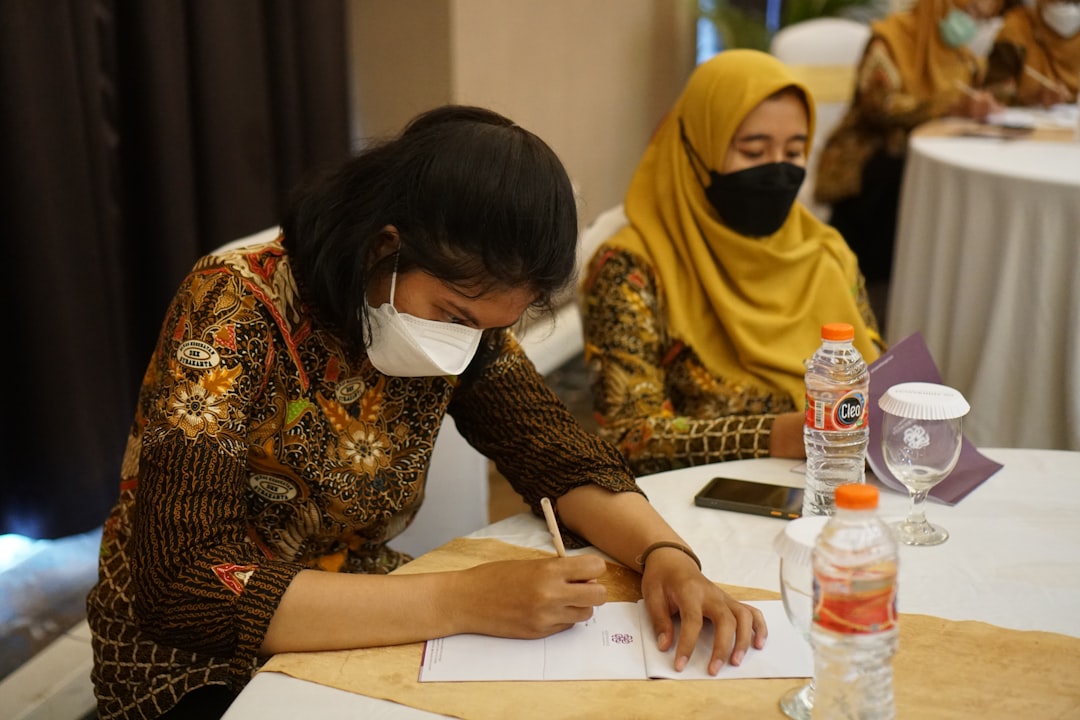
Navigating Career Pathways in Early Childhood Education
For young professionals aged 16-35, the burgeoning early childhood education sector in Indonesia offers diverse and rewarding career pathways. Direct roles such as Early Childhood Educator, Assistant Teacher, and Special Needs Educator (Early Years) are experiencing significant growth. Entry-level educators can expect starting salaries ranging from IDR 3.5 million to IDR 5 million per month, with experienced professionals earning between IDR 7 million and IDR 12 million, depending on location, institution type (public vs. private), and qualifications. The projected job growth in these direct roles is estimated at 20% by 2028, significantly outpacing the national average for other sectors.
Beyond the classroom, a robust ecosystem of support roles is emerging. Curriculum Developers, responsible for designing engaging and age-appropriate learning materials, are in high demand, with salaries for experienced specialists ranging from IDR 8 million to IDR 15 million. Educational Content Creators, particularly those skilled in digital media and interactive learning platforms, are becoming indispensable, commanding similar salary ranges. Program Coordinators and School Administrators, vital for managing the operational and strategic aspects of ECE centers, can earn between IDR 10 million and IDR 20 million, reflecting their leadership responsibilities.
Specialized fields also present lucrative opportunities. Child Psychologists and Counselors, crucial for addressing developmental and behavioral challenges in young children, are increasingly sought after, with private practice or institutional roles offering IDR 12 million to ID25 million per month. Education Policy Analysts, working with government bodies or NGOs to shape future ECE strategies, can find roles paying IDR 9 million to IDR 18 million. The expansion of ECE also creates demand for EdTech Specialists who can integrate technology effectively into early learning environments, a field projected to see rapid growth in the next 6-12 months.

Skills, Certifications, and Future Outlook
To capitalize on these emerging opportunities, aspiring professionals must focus on acquiring specific skills and certifications. A Bachelor’s degree in Early Childhood Education, Psychology, or a related field is increasingly becoming the standard requirement for lead educator roles. However, vocational diplomas and specialized certifications can provide entry points for assistant positions or specific pedagogical approaches like Montessori or Reggio Emilia, which are gaining traction in private institutions. The Ministry of Education, Culture, Research, and Technology is also rolling out enhanced National Educator Certification programs, which will be mandatory for all ECE professionals by 2026, ensuring a baseline of quality and professionalism.
 Business Innovation
Celebrating Innovation: Global Fintech Awards 2025
The Global Fintech Awards 2025 showcased innovators in the financial technology sector. Key trends and insights emerged from the event,…
Read More →Key skills for success in this evolving landscape include strong pedagogical expertise, a deep understanding of child development theories, and excellent communication abilities. Digital literacy is paramount, as ECE increasingly integrates technology for teaching, assessment, and administrative tasks. Professionals adept at using educational software, creating digital content, and managing online learning platforms will have a distinct advantage. Furthermore, cultural sensitivity and the ability to adapt teaching methods to diverse socio-economic backgrounds are crucial in a country as varied as Indonesia.
For those looking to enter or advance in the ECE sector within the next 6-24 months, proactive steps are essential. Consider pursuing relevant degrees or diplomas, enrolling in national certification programs, and gaining practical experience through internships or volunteer work at reputable ECE centers. Networking with established professionals and staying updated on policy changes and pedagogical innovations will also be critical. The government’s sustained commitment to early education ensures a stable and growing job market, making it an opportune time for young Indonesians to build impactful and fulfilling careers in this vital sector.
Skills, Certifications, and Future Outlook To capitalize on these emerging opportunities, aspiring professionals must focus on acquiring specific skills and certifications.

The long-term outlook for early childhood education professionals in Indonesia remains exceptionally positive. As the nation continues its development trajectory, the recognition of ECE as a fundamental investment will only strengthen. This sustained focus will lead to further professionalization of the sector, potentially higher compensation, and more advanced career progression opportunities. Young professionals entering this field now are not just taking on jobs; they are becoming integral architects of Indonesia’s future, shaping the minds and potential of the next generation.

Sources
ANTARA News, 2023-11-20
 Career Options
Beyond Borders: How International Education Unlocks Your Career Potential
International education is crucial for young professionals to develop essential global skills, adaptability, and cross-cultural communication needed for success in…
Read More →Sources: ANTARA News (2023-11-20)