No products in the cart.

Rivian’s Bold Strategy: More Than Just Electric Vehicles

Rivian is expanding its business model beyond electric vehicles, embracing AI and licensing. Discover what this means for your career in the tech industry.

Palo Alto, USA — Rivian is redefining its approach to business, moving beyond the traditional electric vehicle (EV) market. The company recently held its Autonomy & AI Day, showcasing plans that extend further than just selling cars. This shift is crucial at a time when competition in the EV sector is intensifying, and innovation is paramount for survival.
Rivian’s strategy highlights the need for companies to diversify their offerings. CEO RJ Scaringe emphasized that Rivian aims to be a leader in advanced driver assistance systems (ADAS) and autonomous technologies. This pivot is not just about vehicles; it’s about creating a sustainable business model that can adapt to changing market dynamics.
The company plans to expand its hands-free driving capabilities significantly. Currently, its driver-assistance software operates on about 135,000 miles of road, but it will soon extend to 3.5 million miles, including surface streets. This ambitious rollout is set for early 2026 and comes with a price tag of $2,500 or a subscription of $49.99 per month. Such offerings may attract a new customer base, eager for advanced tech in their vehicles.
Rivian’s Vision for the Future of Mobility
 News
NewsHow Software Engineering is Shaping Careers in 2025
Discover how software engineering is reshaping career paths in 2025, with insights on skills, opportunities, and future trends.
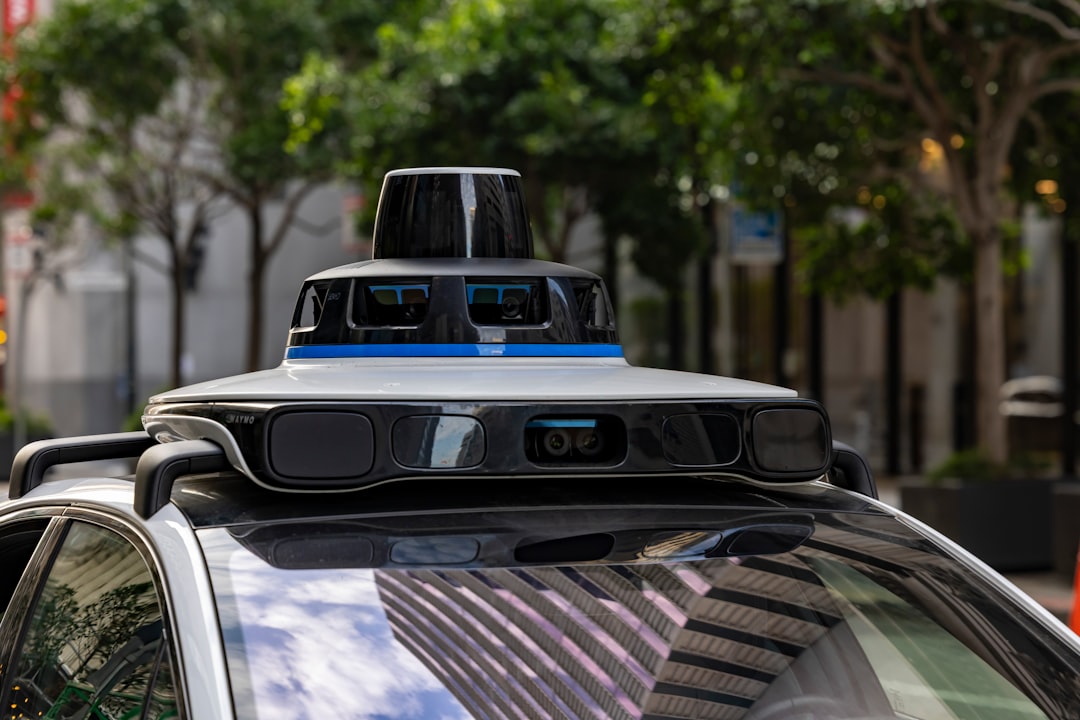
Read More →Rivian’s move towards AI and autonomy reflects broader trends in the mobility sector. The company is developing a custom 5nm processor, which will serve as the backbone for its upgraded automated driving system. This processor will debut in the upcoming R2 SUV in late 2026. Such advancements signal Rivian’s commitment to leading in technology, not just in automotive manufacturing.
Rivian’s Vision for the Future of Mobility Rivian’s move towards AI and autonomy reflects broader trends in the mobility sector.
The potential for licensing technology is another avenue Rivian is exploring. With a joint venture already established with Volkswagen Group, Rivian could license its entire autonomous vehicle platform or specific components like its custom processor. This strategy could generate additional revenue streams, enhancing the company’s financial stability.
Rivian’s approach is particularly relevant for professionals in the tech and mobility sectors. As companies increasingly seek to integrate AI into their operations, workers must adapt by acquiring new skills. Understanding AI, data analysis, and software development will become essential for those looking to thrive in this evolving landscape.
Preparing for New Opportunities in Tech and Mobility
As Rivian and similar companies pivot towards technology, here are actionable steps you can take to position yourself for success:
 Future of Work
Singapore’s Tourism Sector Embraces Future-Ready Hiring
Singapore's tourism sector is aggressively hiring and shifting towards future-ready roles. Discover the implications for job seekers in 2025.
Read More →- Upskill in AI and Machine Learning: Consider enrolling in online courses or bootcamps that focus on AI and machine learning. Platforms like Coursera and Udacity offer specialized programs that can enhance your skill set.
- Network in the Mobility Sector: Attend industry conferences and networking events to connect with professionals in the EV and tech industries. Engaging with peers can open doors to new opportunities and collaborations.
- Stay Informed on Industry Trends: Regularly read industry publications and follow thought leaders on social media to keep up with the latest trends in mobility and technology. This knowledge will help you stay relevant in a rapidly changing job market.
However, some experts caution that while diversifying is essential, it may lead to overextension. A recent report from the World Economic Forum suggests that companies must ensure their core competencies remain strong while exploring new revenue streams. This balance is crucial for long-term sustainability.
As companies increasingly seek to integrate AI into their operations, workers must adapt by acquiring new skills.
The Road Ahead for Rivian and the Mobility Sector
Rivian’s strategy to expand beyond electric vehicles into AI and licensing could reshape the mobility landscape. As the company continues to innovate, it may set new standards for what it means to be a mobility provider. The focus on technology integration will likely drive demand for skilled professionals in these emerging fields.

As you consider your career trajectory, think about how you can align your skills with the future of mobility. Will you embrace the shift towards technology, or will you seek to maintain traditional roles in the automotive sector? The choices you make today could define your career path in this dynamic industry.