No products in the cart.

Saurer’s Strategic Vision for India’s Textile Industry

Saurer is set to transform India's textile industry through innovation, automation, and sustainability. Explore the impact on the future of spinning.

Ahmedabad, India — Saurer, a global leader in textile machinery, is charting a bold path for the future of India’s textile industry. With a commitment to innovation, automation, and sustainability, the company aims to redefine spinning processes across the country.
India’s textile sector, valued at approximately $150 billion, plays a crucial role in the global market, accounting for about 12% of the country’s exports. As the industry grapples with increasing demand and environmental challenges, Saurer’s strategic initiatives aim to address these pressing issues while enhancing productivity.
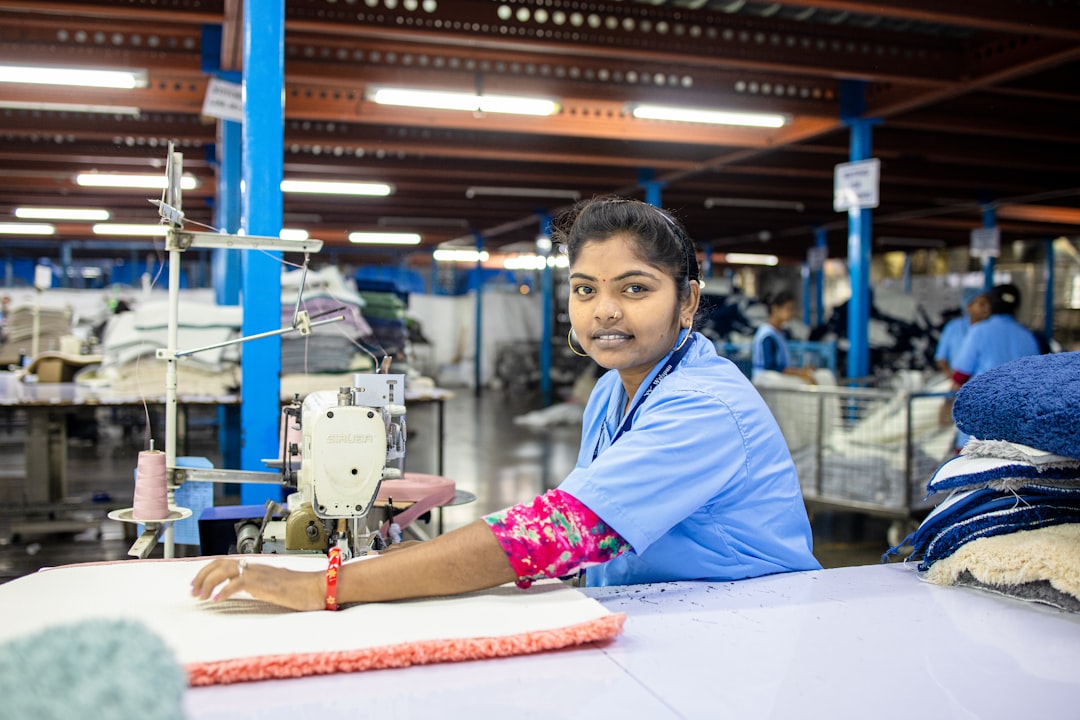
One of the key components of Saurer’s vision is the integration of advanced automation technologies. The company is set to introduce smart spinning systems that utilize Artificial Intelligence (AI) and the Internet of Things (IoT) to optimize production efficiency. By reducing manual intervention, these technologies are expected to increase output by as much as 20% within the next five years, according to industry forecasts.
 Student Life
6 Tips to Master Time Management as a College Student
Career Ahead Time management refers to the ability to use time effectively. It is a skill that can be easily…
Read More →Moreover, Saurer is committed to sustainability, aligning with global initiatives to reduce carbon footprints. The company plans to implement eco-friendly practices across its production lines, including energy-efficient machines that consume up to 30% less power compared to traditional models. This shift not only meets regulatory demands but also resonates with the growing consumer preference for sustainable products.
“We believe that innovation is not just about technology; it’s about creating a sustainable future for our industry,” said Saurer’s CEO during a recent press conference.
“We believe that innovation is not just about technology; it’s about creating a sustainable future for our industry,” said Saurer’s CEO during a recent press conference. The company’s investment in research and development has surged, with plans to allocate 8% of its revenue towards innovative solutions that promote both economic and environmental sustainability.
Industry experts have welcomed Saurer’s initiatives, emphasizing the need for modernization in the Indian textile sector. “The integration of automation and sustainability is crucial for India to remain competitive in the global market,” said Dr. Neha Sharma, a textile industry analyst. “Saurer’s approach could serve as a benchmark for other companies.”
However, the transition to automated and sustainable practices is not without challenges. Manufacturers will need to upskill their workforce to handle new technologies, requiring investment in training and education. Saurer is addressing this by offering comprehensive training programs for operators and technicians, ensuring that the workforce is equipped to manage advanced machinery.
 Career Development
Work-Integrated Learning: A Path to Future-Ready Skills
Work-integrated learning is transforming skills training, preparing individuals for future job markets. This article explores current trends and opportunities.
Read More →As Saurer drives its vision forward, the company is also exploring partnerships with local universities and research institutions to foster innovation. Collaborative projects aimed at developing cutting-edge textile technologies are expected to emerge from these alliances, further reinforcing India’s position as a textile hub.
Looking ahead, the future of the Indian textile industry appears promising if companies like Saurer continue to lead with innovation and sustainability. The integration of smart technologies and eco-friendly practices not only positions India as a competitive player in the global market but also lays the groundwork for a resilient and sustainable industry.
Manufacturers will need to upskill their workforce to handle new technologies, requiring investment in training and education.
In a world increasingly focused on environmental responsibility, Saurer’s initiatives could inspire other sectors to adopt similar strategies, fostering a broader culture of sustainability across industries. The commitment to evolving with technology and prioritizing sustainable practices will be pivotal in shaping the next chapter of India’s textile story.