No products in the cart.

Scott Frost on the Challenges of College Football Coaching
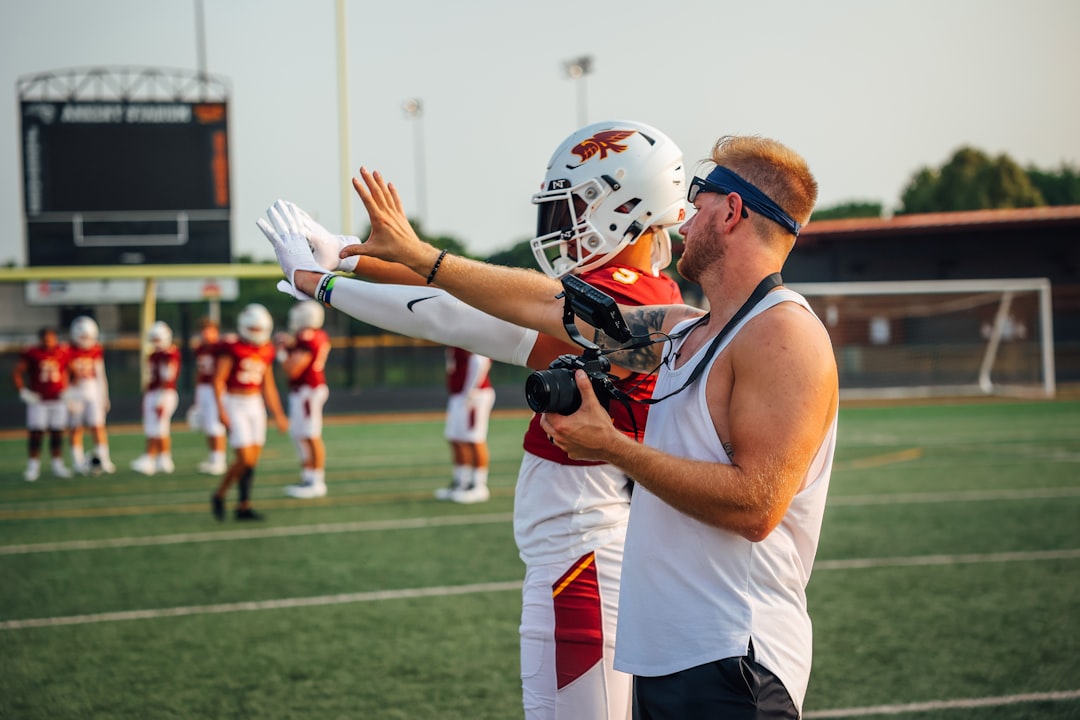
UCF's Scott Frost shares insights on the challenges of college football coaching, emphasizing the tough decisions and pressures involved.

Orlando, Florida — Scott Frost, head coach of the University of Central Florida (UCF), recently weighed in on the turbulent landscape of college football coaching, acknowledging the pressures and tough decisions that come with the profession. His comments come in the wake of several high-profile firings across the NCAA, a trend that has sparked widespread debate among fans, players, and administrators alike.
Frost, who has experienced the highs and lows of coaching firsthand, stated, “It’s a tough business. You’re trying to balance expectations from fans, alumni, and the university while also developing young men into leaders. It’s not just about winning games; it’s about the impact you have on their lives.” As the season progresses, the stakes are higher than ever for coaches, with job security becoming increasingly tenuous in a results-driven environment.
This discussion is particularly relevant now as college football faces unprecedented scrutiny over coaching practices, recruitment strategies, and player welfare. The NCAA’s shifting landscape, influenced by new player compensation rules and increased media scrutiny, has made coaching positions more volatile. With recent firings of prominent coaches, institutions are reevaluating their strategies and the criteria for success.
 Career Development
Navigating the Top Online Education Platforms in 2025
Discover the leading online education platforms in 2025 and how they impact careers, featuring Coursera, edX, and others.
Read More →Historically, college football has always been a high-pressure environment. However, the recent trend of rapid firings highlights a growing impatience among programs eager for immediate results. According to data from the NCAA, nearly 30% of FBS head coaches were dismissed during the past two seasons, a stark increase compared to previous years. This trend reflects not only the competitive nature of the sport but also a shifting cultural attitude toward accountability and performance in collegiate athletics.
With recent firings of prominent coaches, institutions are reevaluating their strategies and the criteria for success.
Coaches like Frost are now navigating a complex web of expectations. The introduction of Name, Image, and Likeness (NIL) deals has transformed recruitment, allowing athletes to monetize their personal brands while in college. This shift has raised the stakes, with fans and stakeholders demanding not only wins but also the development of players into marketable athletes.
From a business perspective, the implications are significant. Universities are investing heavily in their football programs, with many allocating budgets exceeding $10 million annually for coaching staff alone. This financial commitment raises the bar for performance expectations, putting additional pressure on coaches to deliver immediate results. UCF, for instance, has seen its athletic budget grow to over $70 million, reflecting the increasing importance of sports as a revenue generator for the institution.
The conversation around coaching firings is not just about sports; it also touches on broader themes of leadership and management. Experts argue that the volatility in coaching positions mirrors trends in the corporate world, where leaders are often held accountable for short-term performance. This raises questions about the sustainability of such practices and their long-term impact on organizational culture.
 AI
AIIndia’s Tech Giants and the Future of AI-Driven Employment
India's tech giants are reshaping employment landscapes as AI-driven layoffs affect thousands. Understand the shifts and future implications.
Read More →As Frost noted, the role of a coach extends beyond the field. They are mentors, role models, and often the face of the program. The pressure to succeed can lead to burnout and mental health challenges, not just for coaches but also for the players they mentor. In a recent survey conducted by the NCAA, over 60% of student-athletes reported feeling overwhelming stress related to their performance and future career prospects.
Looking ahead, the future of college football coaching will likely continue to evolve. With the increasing influence of technology and data analytics in sports, coaches must adapt to new methodologies that can enhance performance and decision-making. Programs that embrace innovation and prioritize player well-being may find themselves better positioned for success in this competitive landscape.
In a recent survey conducted by the NCAA, over 60% of student-athletes reported feeling overwhelming stress related to their performance and future career prospects.
Moreover, as universities reevaluate their coaching strategies, there is an opportunity for a cultural shift within college athletics. Emphasizing long-term development and creating supportive environments for both coaches and players could lead to more sustainable success. Institutions that recognize the value of cultivating resilience and adaptability in their programs may not only improve performance on the field but also foster a healthier overall atmosphere.
 Career Development
Empowering Futures: 1,088 Graduates from Odisha Celebrate Skill Training Milestone
Odisha celebrates the graduation of 1,088 skilled students, marking a significant step in vocational education and workforce readiness in India.
Read More →Ultimately, as Scott Frost and many others in the industry recognize, the path forward in college football will be shaped by a balance of tradition and innovation. The challenges are significant, but the potential for positive change is equally profound. As the landscape shifts, the focus must remain on developing well-rounded individuals who can thrive both in sports and in life beyond the game.