No products in the cart.

Singapore’s HR Leaders Tackle AI Integration While Managing Automation Risks
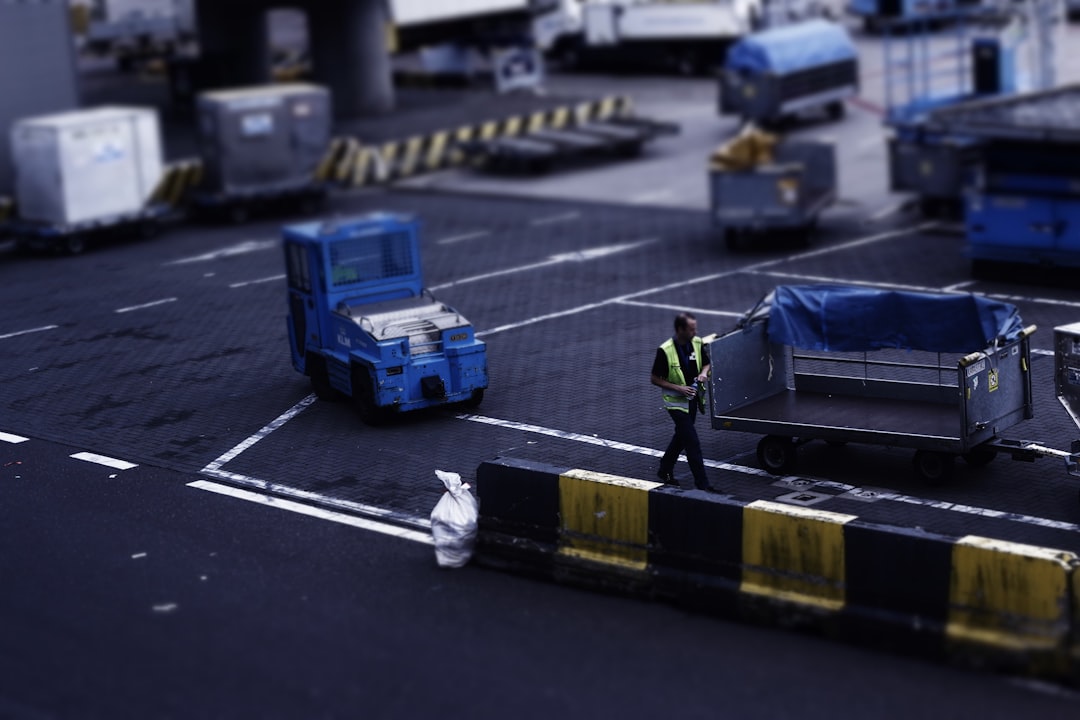
Singapore's HR leaders are adopting AI technologies, posing new challenges and opportunities in the workplace.

Singapore, Singapore — As artificial intelligence (AI) technology continues to gain traction globally, HR leaders in Singapore are at the forefront of this transformation. According to a recent survey by the Singapore Human Resources Institute (SHRI), over 70% of HR professionals in the city-state have begun integrating AI tools into their operations. However, while these innovations promise efficiency and enhanced decision-making, they also raise significant concerns regarding job security and the ethics of automation.
The timing of this shift is critical. As organizations worldwide adapt to a post-pandemic landscape, the demand for agile and data-driven HR practices has surged. In Singapore, the government’s push for digital transformation, outlined in the Digital Economy Strategy for 2025, underscores the urgency for businesses to embrace technology in order to remain competitive. This integration of AI not only aims to streamline recruitment processes but also to improve employee engagement and retention.
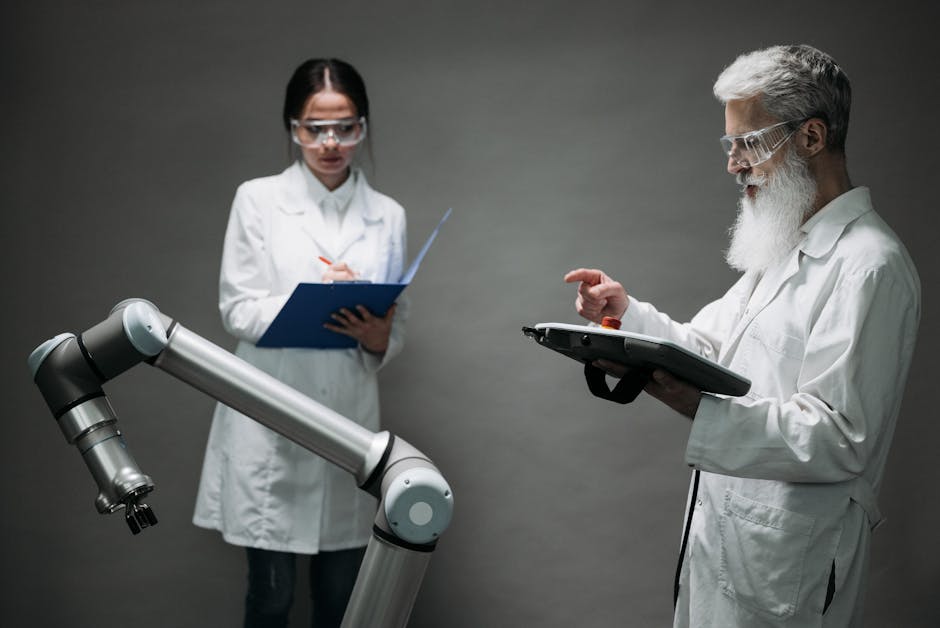
Contextually, Singapore is uniquely positioned as a global business hub, attracting multinational corporations and startups alike. In 2022, the city-state was ranked the second-best country for business in the World Bank’s Ease of Doing Business Index. The convergence of diverse industries fuels a competitive environment where efficient HR practices are paramount. As such, the adoption of AI tools like chatbots for recruitment and analytics software for performance tracking has become increasingly prevalent.
 Digital Innovation
Design Thinking Revolutionizes Public Policy
Discover how governments worldwide are employing design thinking to enhance public services and citizen experiences.
Read More →Despite the advantages, the risks associated with automation cannot be overlooked. A report by the International Labour Organization (ILO) indicates that nearly 45% of jobs in the Southeast Asian region could be at risk of automation by 2030. In Singapore, sectors such as manufacturing and retail are particularly vulnerable, where routine tasks could be replaced by AI systems. This raises questions about the future of work and the need for upskilling the workforce to adapt to new roles that technology will create.
This raises questions about the future of work and the need for upskilling the workforce to adapt to new roles that technology will create.
HR leaders are grappling with the dual challenge of leveraging AI to enhance operational efficiency while mitigating the potential fallout on employment. According to a study by PwC, 86% of executives believe that AI will become a mainstream technology in their organizations within the next five years. However, only 42% of them feel prepared to manage the transition effectively. This discrepancy highlights the importance of developing robust strategies that address both technology integration and workforce management.
Another significant concern is the ethical implications of AI in the workplace. Issues surrounding bias in AI algorithms and the potential for surveillance in employee monitoring have sparked debates among HR professionals. A 2023 report from the MIT Technology Review revealed that nearly 30% of HR leaders are worried about the ethical risks associated with AI, indicating a pressing need for guidelines and frameworks to ensure responsible use of technology.
 Career Development
Saudi Arabia Integrates Video Games into School Curriculum
Saudi Arabia's Ministry of Education has approved the inclusion of video games in school curricula, signaling a shift towards modern…
Read More →Looking ahead, the Singaporean government is actively promoting initiatives to help businesses navigate the AI landscape. The Workforce Singapore (WSG) agency has launched programs aimed at reskilling employees and preparing them for a tech-driven economy. By investing in continuous learning and development, organizations can equip their workforce with the necessary skills to thrive in an AI-enhanced environment.
As HR leaders in Singapore embrace AI, the focus must not solely rest on technological capabilities but also on fostering a culture of adaptability and ethical responsibility. The future of work will demand not just technical skills but also critical thinking, creativity, and emotional intelligence—traits that AI cannot replicate.
By investing in continuous learning and development, organizations can equip their workforce with the necessary skills to thrive in an AI-enhanced environment.
In conclusion, Singapore’s journey towards AI integration in HR presents a microcosm of the global workforce transition. As businesses navigate these changes, the emphasis on ethical practices and employee welfare will be crucial in ensuring a balanced approach to automation. The path forward lies in collaboration between technology and human insight, paving the way for a more resilient and innovative workforce.
 Career Development
The Growing Importance of Vocational Education in Today’s Job Market
Vocational education is gaining traction as an alternative to traditional degrees, shaping the future of work worldwide.
Read More →