No products in the cart.

Smart Textiles: The Future of Fashion in 2025
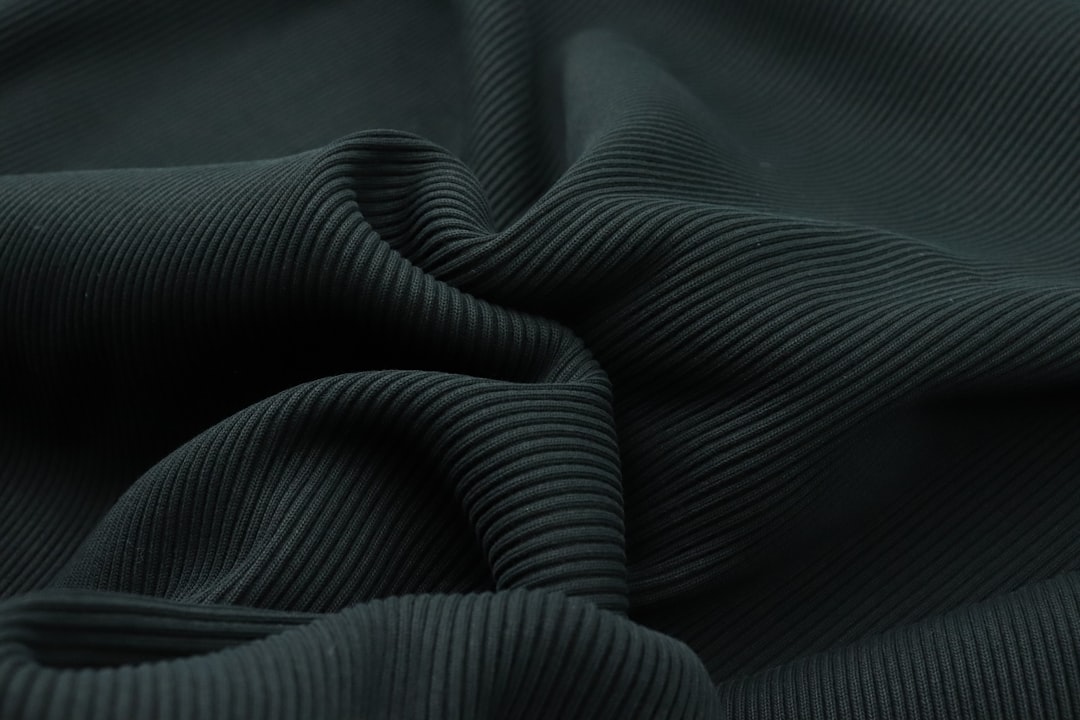
Smart textiles are set to revolutionize fashion by 2025, merging technology and sustainability. Discover the trends shaping this market.

Barcelona, Spain — The smart textiles market is poised for a transformative leap by 2025, propelled by technological innovations and an increasing demand for sustainability in the fashion industry. As consumers become more environmentally conscious, brands are seeking ways to integrate smart technology into their products, creating garments that not only look good but also perform well.
The global smart textiles market is projected to reach USD 5.8 billion by 2025, growing at a compound annual growth rate (CAGR) of 24.8% from 2020 to 2025. This growth is driven by advancements in fabric technology and the increasing adoption of wearable devices, which are expected to revolutionize the way we interact with clothing[1].
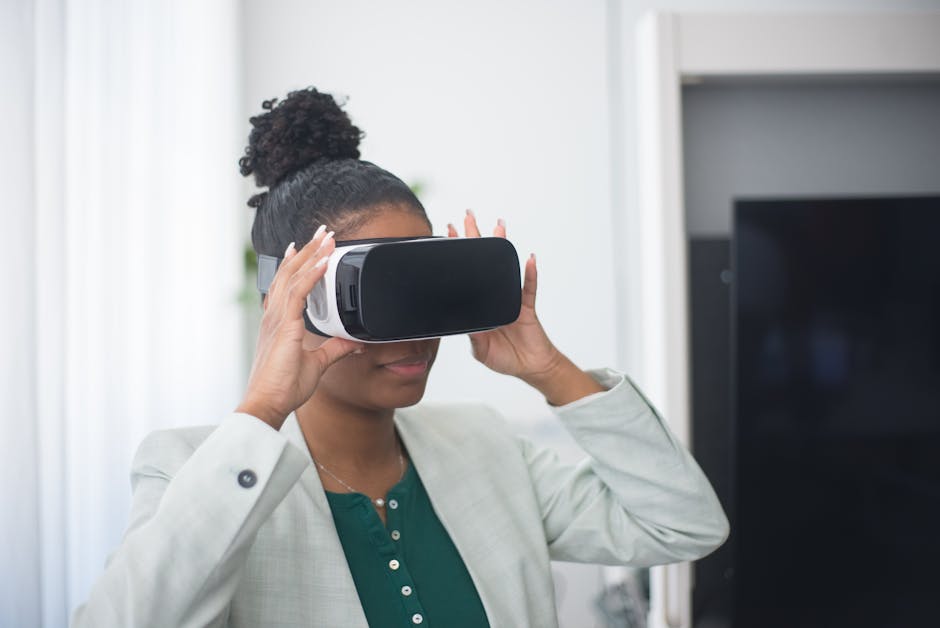
Context and Background
Smart textiles, also known as e-textiles, are fabrics that have been enhanced with technology to provide additional functionality. These textiles can respond to environmental stimuli, change properties, and even interact with electronic devices. Companies like Google, Apple, and Nike are leading the charge, developing products that merge fashion with functionality. For instance, Google’s Project Jacquard enables users to control their devices through touch-sensitive fabric, creating a seamless blend of clothing and technology[2].
 Career Tips
Mastering Time: Essential Management Tips for College Students
Discover essential time management tricks that can help college students maximize productivity and balance their workloads effectively.
Read More →The fashion industry is undergoing a seismic shift, with sustainability becoming a core focus. Traditional manufacturing processes are under scrutiny due to their environmental impact. According to the UN, the fashion industry accounts for about 10% of global carbon emissions. As a response, brands are turning to smart textiles, which can help reduce waste and promote recycling. For example, Re:NewCell has developed a process to turn old textiles into new fibers, highlighting how technology can aid in sustainability efforts[3].
Market Dynamics and Trends The smart textiles market is characterized by several key trends that are shaping its future.
Market Dynamics and Trends
The smart textiles market is characterized by several key trends that are shaping its future. First, the rise of the Internet of Things (IoT) is facilitating the development of interconnected garments. Wearable technology is not just about fitness tracking; it’s evolving into a lifestyle choice. Smart clothing can monitor health metrics, regulate temperature, and even enhance athletic performance. For instance, Under Armour’s HOVR connected shoes provide real-time feedback on a runner’s performance, merging athletic wear with smart technology[4].
Second, health and wellness are becoming central to smart textile development. As consumers increasingly prioritize their well-being, brands are innovating to create fabrics that can monitor vital signs. Companies like Hexoskin offer smart shirts that can track heart rate, breathing, and activity levels, targeting health-conscious consumers who want to integrate technology into their daily lives[5].
Finally, personalization is a growing trend. Smart textiles allow for customizable designs and features, enhancing consumer engagement. Brands are leveraging data analytics to offer tailored experiences, from fit adjustments based on body measurements to color changes based on mood or environment. This level of personalization not only appeals to consumers but also fosters brand loyalty as customers feel more connected to products that reflect their individuality.
 Career Development
Mastering Job Search Techniques for Landing Your Dream Career
Career Ahead In today’s competitive job market, finding and securing your dream career can be a challenging task. However, with…
Read More →Challenges and Opportunities
Despite the promising outlook, the smart textiles market faces challenges. High production costs remain a significant hurdle, limiting widespread adoption. Additionally, there are concerns about data privacy and security, as connected garments collect personal information. As the technology evolves, manufacturers must address these issues to build consumer trust.
However, opportunities abound. The increasing interest in sustainable fashion offers a pathway for smart textiles to thrive. As brands explore eco-friendly materials and processes, consumers are more likely to embrace products that align with their values. Moreover, partnerships between tech companies and fashion brands can drive innovation and expand market reach, creating a collaborative ecosystem that benefits all stakeholders.
As the technology evolves, manufacturers must address these issues to build consumer trust.
Looking Ahead
The landscape of fashion is changing rapidly, and smart textiles are at the forefront of this evolution. By 2025, we can expect to see a diverse range of products that not only cater to consumer needs but also contribute positively to the environment. As technology continues to advance, the integration of smart textiles into everyday wear will likely become more seamless and intuitive, enhancing the overall user experience.
 Child Development
Dalton’s Mobile Book Van: A New Chapter for Literacy
Dalton's new mobile book van is set to enhance literacy among students and families, making reading more accessible than ever.
Read More →The future of fashion lies in the intersection of technology and sustainability, where smart textiles can redefine our relationship with clothing. Brands that embrace this shift will not only meet consumer demands but also position themselves as leaders in an increasingly competitive market. As we move forward, the potential for smart textiles extends beyond mere fashion; it represents a fundamental change in how we think about clothing, health, and the environment.