No products in the cart.

Spain Aims to Ban Social Media for Children Under 16

Spain is pushing to ban social media for children under 16. This move aims to protect minors from online risks, raising questions about digital freedom.

Madrid, Spain — Spain is taking significant steps to protect its youth from the potential dangers of social media. The government has announced plans to ban access to social media platforms for children under the age of 16. This move is part of a broader initiative among European nations to regulate online spaces more strictly, aiming to safeguard minors from harmful content and interactions.
The proposed ban comes amid increasing concerns about the mental health impacts of social media on young users. Research has shown that excessive use of these platforms can lead to anxiety, depression, and other mental health issues among children and adolescents. By restricting access, Spain hopes to mitigate these risks and promote healthier online habits among its youth.
Spain’s decision aligns with similar actions taken by other European countries. For instance, countries like France and Germany have already implemented regulations aimed at protecting minors online. These measures reflect a growing recognition of the need for stronger safeguards in the digital environment, particularly as social media continues to evolve and expand its influence over young people’s lives.
Why Spain’s Ban on Social Media is a Game Changer
This proposed ban is not just a local issue; it sets a precedent for how countries can approach the regulation of digital spaces for minors. The initiative highlights a shift in the perception of social media from a mere communication tool to a platform that can pose significant risks to vulnerable populations. By taking such a firm stance, Spain is positioning itself as a leader in youth protection and digital safety.
 Future of Work
Evolving Remote Work: A Shift Towards Respecting Employee Privacy
Remote work monitoring is evolving beyond surveillance to respect employee privacy. Discover how companies are balancing oversight and trust in…
Read More →However, it also raises questions about parental responsibility and the need for education around safe internet practices.
Moreover, the ban could prompt a ripple effect across Europe and beyond. Other nations may follow suit, leading to a more unified approach to online safety for children. This could create a scenario where social media platforms are forced to adapt their policies globally, ensuring that they comply with stricter regulations to maintain access in various markets.
For parents, this ban could provide peace of mind. It allows them to have more control over their children’s online interactions and reduces exposure to inappropriate content. However, it also raises questions about parental responsibility and the need for education around safe internet practices. As children grow older, they will inevitably encounter social media. Parents will need to equip them with the necessary skills to navigate these platforms safely.
The Impact on Parents and Educators
The implications of this ban extend beyond social media companies and into homes and schools. Parents will need to adjust their strategies for discussing online behavior with their children. Instead of outright bans, conversations about the risks and benefits of social media use may become more essential.
Educators, too, will play a crucial role in this transition. Schools may need to incorporate digital literacy into their curricula, teaching students about responsible social media use and the potential consequences of their online actions. This proactive approach can help prepare children for a future where they will inevitably engage with social media, ensuring they are equipped to handle it responsibly.
 Economic Policies
Supermarkets Warn of Rising Food Prices Amid Tax Increases
Supermarkets are warning that rising tax rates may lead to higher food prices, impacting consumers across the country.
Read More →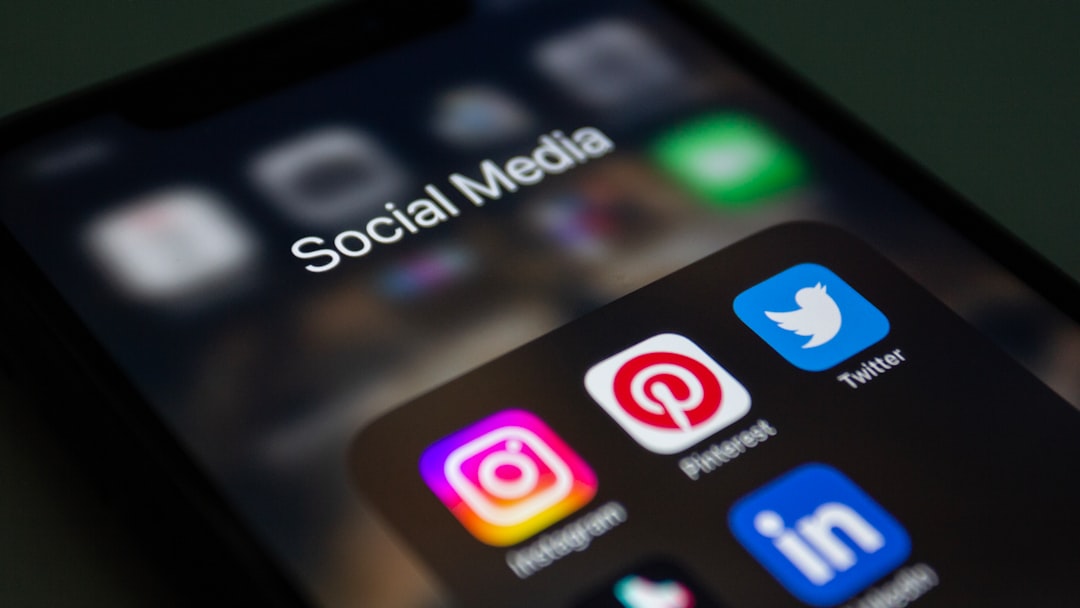
Additionally, the ban could impact the business models of social media platforms. Companies like Facebook and Instagram may need to rethink their strategies to ensure compliance with new regulations. This could lead to innovations in how these platforms operate, potentially creating safer environments for users of all ages.
Steps for Parents and Educators Moving Forward
- Open Dialogue: Encourage conversations about online safety and the potential risks associated with social media.
- Digital Literacy Education: Incorporate lessons on responsible social media use into school curricula.
- Monitor Usage: Keep track of children’s online activities and discuss their experiences on social media.
- Promote Healthy Habits: Encourage balanced screen time and offline activities to foster a healthier lifestyle.
However, experts warn that this trend may not be sustainable. A recent study by the European Commission suggests that while regulations are essential, they must be balanced with the need for digital literacy and personal responsibility among users. Limiting access may inadvertently hinder children’s ability to learn how to navigate the online world effectively.
A recent study by the European Commission suggests that while regulations are essential, they must be balanced with the need for digital literacy and personal responsibility among users.
The Future of Social Media Regulations in Spain
The proposed social media ban for children under 16 marks a significant shift in Spain’s approach to youth protection. As other countries observe the outcomes of this initiative, it may lead to a broader discussion about the role of social media in society and the responsibilities of both parents and companies.
Looking ahead, the effectiveness of this ban will depend on its implementation and the response from social media platforms. Will companies adapt quickly to comply with new regulations, or will they resist change? The ongoing dialogue between governments, parents, and tech companies will shape the future landscape of social media use among minors.
How BITS Pilani’s New Policy Will Impact Students
BITS Pilani's new tuition-blind admissions policy aims to make quality engineering education accessible to top BITSAT rankers, regardless of financial…
Read More →As Spain takes this bold step, one must consider: how can we balance the need for protection with the necessity of teaching children to navigate the digital world safely?