No products in the cart.

Sustainability Trends and Hiring: October 2025 Insights
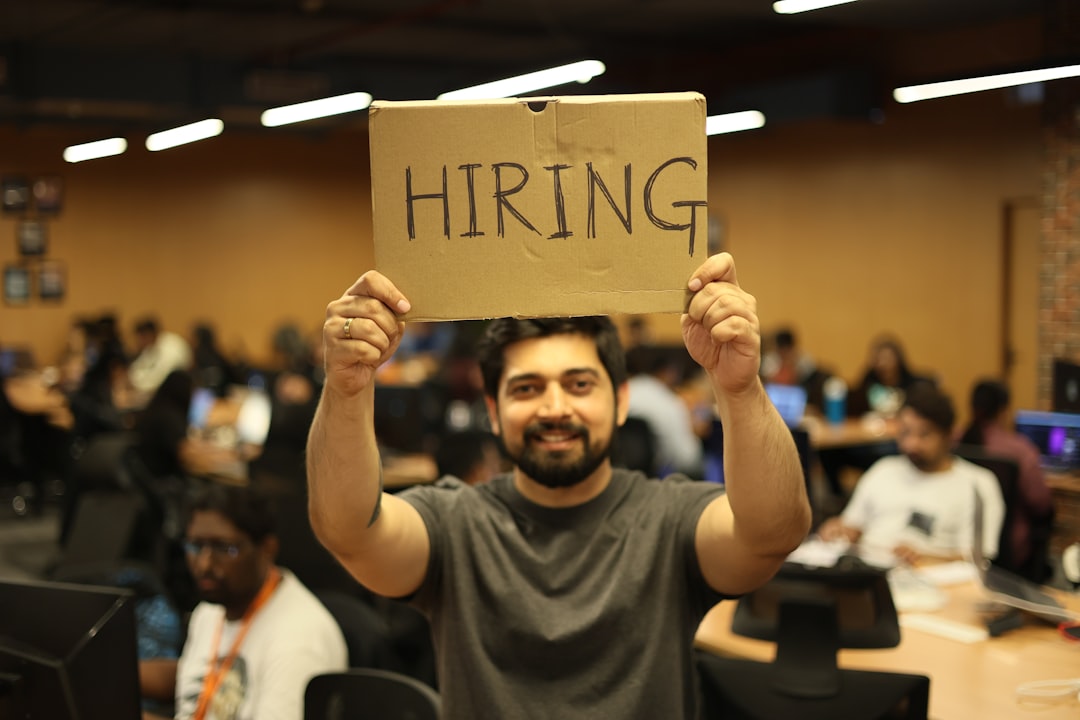
Discover key sustainability hiring trends for October 2025 and their impact on the workforce. Learn how organizations adapt to meet new demands.

London, United Kingdom — The latest sustainability Trends Quarterly Outlook by Environmental Resources Management (ERM) reveals a significant shift in hiring practices as organizations worldwide prioritize sustainability in their operations. Published on October 29, 2025, the report highlights a growing demand for skilled professionals in green sectors, reflecting an urgent need for businesses to align with environmental goals amidst increasing regulatory pressures.
This trend is not merely a response to consumer preferences but a strategic pivot as companies recognize the economic advantages of sustainable practices. With the global sustainability market projected to reach $12 trillion by 2030, the implications for job seekers and employers are profound.

The ERM report indicates that nearly 60% of organizations surveyed are actively hiring for sustainability roles, a marked increase from previous quarters. Positions in renewable energy, environmental consultancy, and sustainable supply chain management are particularly in demand. This shift is driven by both regulatory requirements and the desire to enhance corporate reputation.
As businesses navigate this evolving landscape, the importance of sustainability expertise becomes increasingly clear. According to a 2023 report from the World Economic Forum, 85 million jobs could be displaced by 2025 due to the rise of automation and artificial intelligence. However, 97 million new roles may emerge that are more adapted to the new division of labor between humans and machines, particularly in sustainability sectors.
 AI
AIThe Future of Human Capital in the Age of AI
Workera’s CEO shares insights on the evolving landscape of human capital in the AI era. Learn how professionals can adapt…
Read More →Positions in renewable energy, environmental consultancy, and sustainable supply chain management are particularly in demand.
Organizations like Tesla and Unilever are at the forefront, leading initiatives that not only focus on profitability but also on long-term sustainability goals. In 2025, Tesla announced that it would hire an additional 10,000 employees focused on sustainable energy projects, aiming to bolster its commitment to reducing carbon emissions. Meanwhile, Unilever has pledged to achieve net-zero emissions by 2039, creating a multitude of roles in sustainability management and environmental impact assessment.
The implications are clear: as sustainability becomes integral to corporate strategy, the skills required will evolve. Employers are increasingly looking for candidates with interdisciplinary expertise that spans environmental science, business acumen, and technological proficiency. A report by McKinsey & Company underscores this trend, noting that companies prioritizing sustainability are likely to outperform their peers financially, making sustainability roles not only essential but also lucrative.
Moreover, educational institutions are responding to this demand. Universities and colleges are expanding their curricula to include sustainability-focused programs, ensuring that graduates are equipped with the necessary skills to thrive in this new job market. For instance, Stanford University launched a new Master’s program in Sustainability Management in 2024, aiming to bridge the gap between traditional business education and environmental stewardship.
However, challenges remain. The transition to a greener economy requires significant investment and commitment from both public and private sectors. The International Labour Organization (ILO) estimates that achieving a just transition could require an investment of $3.5 trillion annually in developing countries alone. This underscores the need for policies that support workforce development in sustainable industries.
 Career Development
Youth Perspectives on Success: A 2030 Vision
Discover how today's youth envision success in 2030, reflecting on values and career aspirations that will redefine the workplace.
Read More →As organizations accelerate their sustainability initiatives, they must also consider the social implications of their hiring practices. Companies are increasingly called upon to ensure diversity and inclusion within their sustainability teams, recognizing that diverse perspectives can drive innovation and more effective solutions to environmental challenges.
Looking ahead, the demand for sustainability professionals is expected to continue its upward trajectory. As regulatory frameworks become stricter and consumer expectations shift, the creation of green jobs will likely expand across various sectors, including finance, healthcare, and technology.
For instance, Stanford University launched a new Master’s program in Sustainability Management in 2024, aiming to bridge the gap between traditional business education and environmental stewardship.
In this evolving landscape, job seekers who invest in sustainability-related skills will find themselves at a distinct advantage. Continuous learning and adaptability will be key as industries redefine their operational frameworks to prioritize environmental responsibility.
The future of work is not just about technology; it’s about creating a sustainable world. As we move into 2026 and beyond, the intersection of sustainability and employment will shape the career paths of millions. As such, individuals and organizations alike must prepare to embrace this pivotal shift.
 AI
AIGlobal Race for AI Leadership: A Comparative Analysis
Countries are racing to dominate AI technology, with significant investments and diverse ethical approaches shaping the future of innovation.
Read More →