No products in the cart.

Tapping into India’s Treated Water Economy: A $35 Billion Opportunity
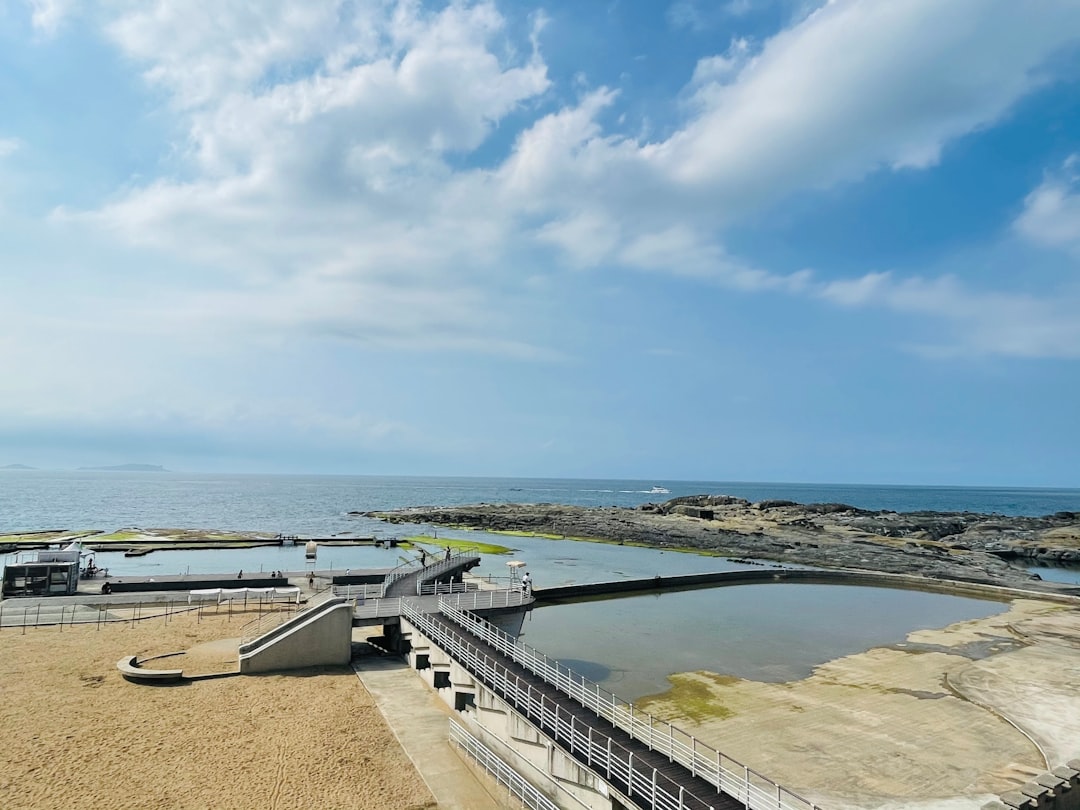
India's treated wastewater could unlock $35 billion and create over 100,000 jobs by 2047, presenting a significant opportunity for economic growth.

Mumbai, India — India’s treated wastewater could unlock an economic opportunity of up to $35 billion by 2047, potentially creating over 100,000 new jobs, according to a recent report by the Council on Energy, Environment and Water (CEEW). This burgeoning sector not only promises substantial financial benefits but also addresses critical issues related to water scarcity and sustainability in a rapidly urbanizing nation.
As India faces increasing water stress—projected to affect over 600 million people by 2030—maximizing the use of treated wastewater presents a viable solution. The CEEW report emphasizes that leveraging this resource could transform India’s water management landscape, making it a significant player in the global water economy.
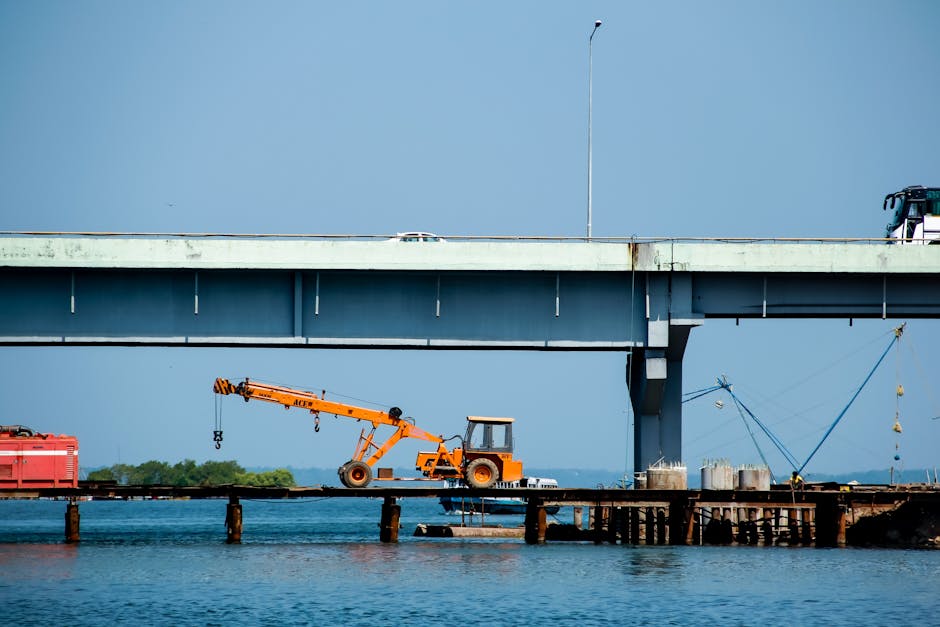
The significance of this report lies in its timing. With the Indian government actively promoting the circular economy and sustainable practices, the CEEW’s insights align with national priorities. The potential economic benefits are not just theoretical; they could lead to real changes in employment, industrial growth, and environmental health.
 AI
AIAlgorithmic Art Criticism: A New Era in Aesthetics
AI's role in art criticism is transforming perceptions of aesthetics and taste, reshaping the future for artists and audiences.
Read More →Contextually, India generates approximately 62 billion liters of wastewater daily, with only a fraction being treated and reused. Currently, about 30% of the water used in urban areas is treated, while the rest is often discharged into rivers and oceans, leading to pollution and health hazards. The CEEW report suggests that increasing this percentage to 50% could significantly enhance water availability for agricultural and industrial purposes, thus stimulating economic growth.
The potential economic benefits are not just theoretical; they could lead to real changes in employment, industrial growth, and environmental health.
Moreover, the Indian government has set ambitious targets under the National Water Policy of 2012 and the Atal Mission for Rejuvenation and Urban Transformation (AMRUT) to improve urban water supply and treatment infrastructure. These initiatives are pivotal in creating a robust framework for the treated wastewater sector.
Experts argue that the integration of innovative technologies such as membrane bioreactors and advanced oxidation processes can enhance the efficiency of wastewater treatment. Companies like Tata Projects and L&T have already begun investing in these technologies, indicating a growing interest from the private sector in this emerging market.
From a job creation perspective, the CEEW report highlights that the treated wastewater sector could generate over 100,000 jobs, primarily in engineering, operations, and environmental management. With the right skills training and educational programs, this sector could attract a new workforce dedicated to sustainable development.
 Business Innovation
Unlocking Revenue Potential: Elevate Your Role
Learn how to transform your current role into a revenue-generating powerhouse. This guide offers actionable insights and real-world examples.
Read More →However, the transition to a treated wastewater economy is not without its challenges. Regulatory frameworks need to adapt to encourage private investment while ensuring public health and safety. The government must also work on public perception, as there remains a stigma associated with the use of treated wastewater.
Globally, countries like Israel and Singapore have successfully integrated treated wastewater into their water supply systems. Israel, for instance, recycles nearly 90% of its wastewater for agricultural use, showcasing how effective policies and technologies can lead to sustainable water management. India could draw valuable lessons from these examples, tailoring solutions to fit its unique socio-economic context.
With the right skills training and educational programs, this sector could attract a new workforce dedicated to sustainable development.
Looking ahead, the intersection of technology, policy, and public awareness could redefine India’s relationship with water resources. As urban populations grow and climate change exacerbates water scarcity, treated wastewater may become a cornerstone of India’s water strategy.
 News
NewsIndia’s Target: Welcoming 500,000 International Students by 2047: NITI Aayog
India is setting a new course in global education, aiming to attract 500,000 international students by 2047. NITI Aayog's strategic…
Read More →The CEEW report serves as a clarion call for stakeholders across the board—government, private sector, and civil society—to collaborate on building a sustainable water economy. By investing in infrastructure, technology, and education, India can turn the challenges of today into the opportunities of tomorrow. The question remains: will India seize this moment to unlock its full potential in the treated wastewater sector?