No products in the cart.

Tariffs and Their Ripple Effect on USD to INR Remittance

Tariffs are reshaping remittance dynamics, particularly affecting USD to INR flows. Discover their impact on international students and families.

New Delhi, India — Tariffs imposed by the United States on various goods are dramatically influencing remittance flows from the U.S. to India. This shift is particularly significant for the millions of Indian students studying abroad who rely on financial support from their families back home.
The U.S. has long been a primary source of remittances to India, with over $82 billion sent in 2021 alone, according to the World Bank. As of October 2025, recent tariff changes are altering the dynamics of this financial lifeline. Understanding these changes is crucial not only for families but also for the broader implications on the Indian economy and the education sector.
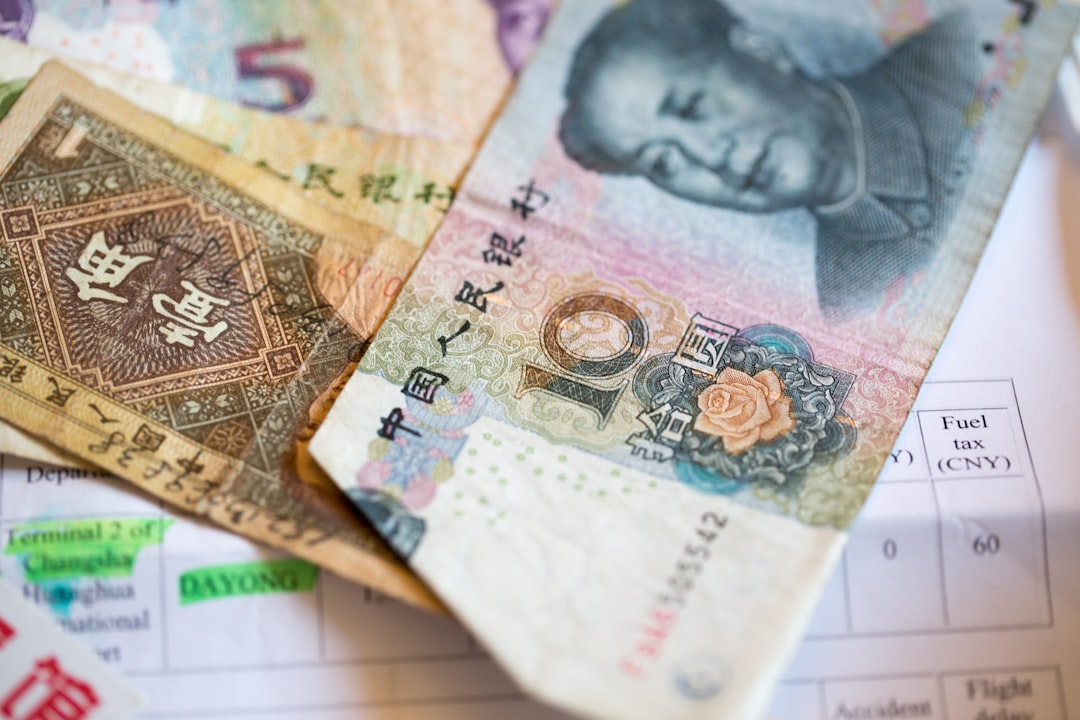
Tariffs can increase the cost of living for expatriates, affecting their disposable income and the amounts they can send home. According to a report by the Reserve Bank of India, the average remittance amount has seen fluctuations, with a decrease of approximately 5% in the last year due to increased financial burdens on senders.
Historically, remittances have played a vital role in the Indian economy, contributing to household incomes and national GDP. As reported by the World Bank, remittances accounted for about 3% of India’s GDP in 2021. The implications of tariffs on these remittance flows could therefore have profound effects not only on individual families but also on economic stability.
increases, leading to higher living expenses for Indian students.
As tariffs rise, the cost of goods in the U.S. increases, leading to higher living expenses for Indian students. This situation, compounded by inflationary trends, means that families might need to allocate more resources to support their children abroad, ultimately reducing the amount they can send back home.
For instance, a recent study by the International Monetary Fund (IMF) highlights that the overall cost of living for international students in the U.S. has surged by nearly 10% since 2023 due to inflation and tariffs on essential goods. This has led many students to seek part-time employment, which further complicates their academic commitments and long-term career prospects.
From a macroeconomic perspective, the Indian government is closely monitoring these changes. The Ministry of External Affairs has emphasized the need for policies that support Indian students abroad while also encouraging them to return with skills that can contribute to the Indian economy. Initiatives such as skill development programs and incentives for returning professionals are gaining traction.
Moreover, financial institutions are adapting to these changes. Companies like PayPal and Western Union are enhancing their services to provide better rates and lower fees for remittances. This evolution in the remittance landscape is crucial as it helps mitigate some of the adverse effects of rising tariffs.
You may also like
 Artificial Intelligence
PwC Partners Must Embrace AI or Face Job Loss, Warns US CEO
PwC's US CEO Paul Griggs emphasizes that partners failing to adopt AI will be left behind. The firm's shift to an AI-first model demands new…
Read More →The interplay between tariffs, remittance flows, and the broader economy is complex. While tariffs aim to protect domestic industries, they inadvertently burden international students and their families. As these students navigate their educational journeys, they represent a significant future workforce for India.
As these students navigate their educational journeys, they represent a significant future workforce for India.
Looking ahead, the Indian government may need to reassess its approach to international education and labor mobility. With the potential for tariffs to persist, innovative solutions that focus on financial literacy and support for families could become essential. As the global economy continues to evolve, understanding these dynamics will be critical for both students and policymakers.
Ultimately, the ramifications of tariffs on remittance flows underscore a larger narrative about globalization and economic interdependence. For families relying on remittances, adapting to these changes will require resilience and strategic planning. Future policies must address not only the immediate financial impacts but also the long-term implications for international education and economic growth.