No products in the cart.

Tech-Driven Solutions for Education in Conflict Zones

This article examines the role of technology in delivering education to displaced students in conflict zones, highlighting innovative solutions and their implications.

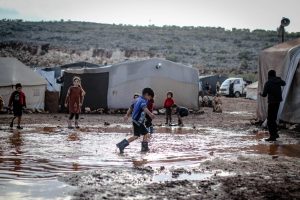
As conflict rages in various regions worldwide, millions of children find themselves displaced and without access to education. In 2025, the plight of these young learners has drawn global attention, prompting an urgent call for innovative solutions.
In conflict zones, traditional educational frameworks collapse under the weight of violence and instability. However, technology has emerged as a beacon of hope, providing alternative pathways for learning. Organizations such as UNICEF and the United Nations High Commissioner for Refugees (UNHCR) are pioneering tech-driven initiatives that aim to deliver education to those most in need.

This matter is critical as over 75 million children worldwide are currently out of school due to conflict, according to a 2023 report from the Global Education Monitoring Report. The increasing frequency of armed conflicts, particularly in regions like the Middle East and Sub-Saharan Africa, underscores the urgency of finding effective solutions. Without education, these children face bleak futures, perpetuating cycles of poverty and instability.
The landscape of education in conflict zones has shifted dramatically in recent years. In 2024, the World Bank estimated that 48% of children in crisis-affected areas had lost more than a year of schooling. This loss not only affects their immediate well-being but also hampers long-term economic and social development in their communities.
 Agriculture
Ministers Raise Inheritance Tax Threshold for Farms After Backlash
UK ministers have raised the inheritance tax threshold for farms to £2.5 million, addressing concerns from farmers and rural MPs.
Read More →Moreover, initiatives like the Learning Passport, developed by Microsoft and UNICEF, offer a digital platform where students can access educational resources and complete coursework online.
Amid these challenges, various tech solutions are gaining traction. Mobile learning platforms, such as Educate!, provide interactive courses tailored to the needs of displaced students. The platform uses SMS technology to reach learners in remote areas, ensuring access to education even where infrastructure is lacking. Moreover, initiatives like the Learning Passport, developed by Microsoft and UNICEF, offer a digital platform where students can access educational resources and complete coursework online.
In addition to mobile applications, virtual classrooms are becoming a viable option for displaced students. Programs like Al-Fanar allow teachers to conduct lessons via video conferencing, connecting students with educators from around the world. This approach not only facilitates learning but also fosters a sense of community among students who share similar experiences.
However, implementing these solutions is not without its challenges. Access to technology remains a significant barrier. According to the International Telecommunication Union, only 15% of people in low-income countries have access to the internet. This digital divide exacerbates existing inequalities, leaving many children without the tools needed for online learning.
Furthermore, security concerns in conflict zones complicate the deployment of technology. In regions where armed groups operate, the risk of violence can deter educators from reaching students. Consequently, organizations must navigate a complex landscape to ensure the safety of both teachers and learners.
 Global Mobility
How to Ace Your International Student Visa Interview in 2025
Student visa interviews have become more selective and data-driven since the pandemic. This guide breaks down what officers really look…
Read More →Despite these obstacles, the potential for technology to transform education in conflict zones is promising. By leveraging partnerships with local organizations, tech companies can tailor solutions to the unique needs of each community. For instance, in Jordan, the Jordan Education Initiative collaborates with the private sector to enhance educational opportunities for Syrian refugees, demonstrating a model for successful public-private partnerships.
Looking forward, the international community must prioritize investment in educational technology for conflict-affected areas. According to a 2025 report by the Global Partnership for Education, every dollar spent on education in emergencies yields a return of $5 in long-term economic benefits. By supporting innovative solutions, we can break the cycle of poverty and instability that affects millions of children worldwide.
For instance, in Jordan, the Jordan Education Initiative collaborates with the private sector to enhance educational opportunities for Syrian refugees, demonstrating a model for successful public-private partnerships.
As we move into 2026 and beyond, fostering collaboration among governments, NGOs, and tech companies will be essential. These entities must work together to create scalable and sustainable educational solutions that can withstand the challenges posed by conflict. The future of education for displaced students hinges on our collective ability to harness technology effectively.
In an increasingly interconnected world, our commitment to providing education to every child, regardless of their circumstances, will define not only their futures but also the stability of our global community.
 Data Science
Harnessing Predictive Modeling for Climate Resilience
Discover how predictive modeling and community-based strategies are vital for climate resilience, shaping our future amidst ongoing global challenges.
Read More →