No products in the cart.

The Cultural Economics of Streaming: A Global Perspective
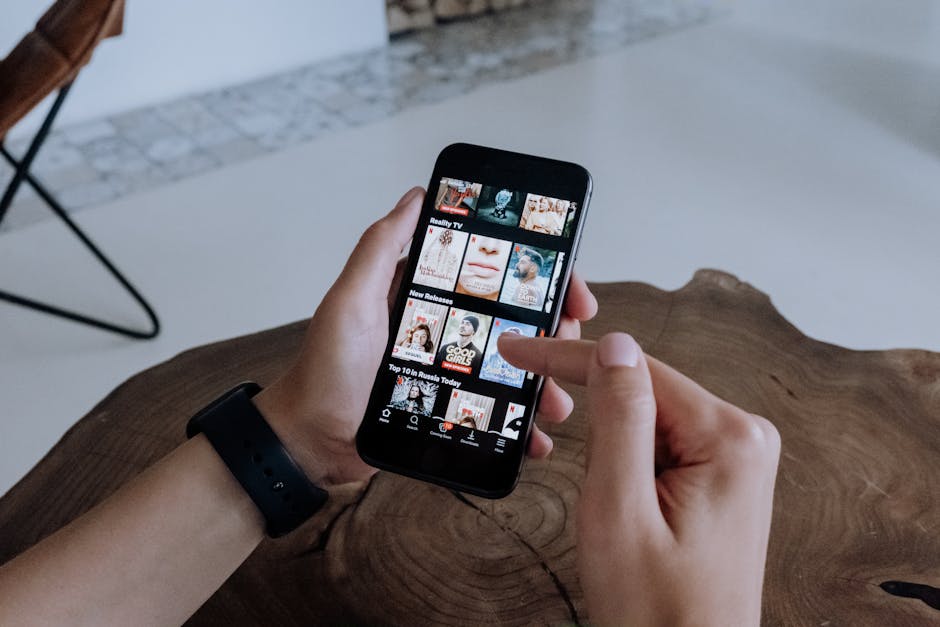
Streaming platforms are revolutionizing the creative economy, impacting artists and industries worldwide. Discover how this transformation shapes careers and innovation.

Los Angeles, USA — The rise of streaming platforms has fundamentally altered the landscape of the creative economy. As services like Spotify and Netflix dominate the market, they not only influence how content is consumed but also how it is created and monetized. In 2023 alone, global streaming revenue for music reached $30 billion, while the film and television sector saw similar growth, with revenues surpassing $200 billion [1].
This shift matters significantly for artists, producers, and consumers alike. The democratization of content distribution has created unprecedented opportunities for creators, enabling them to reach global audiences without the traditional gatekeepers of the music and film industries. However, it also raises critical questions about sustainability, fair compensation, and the long-term viability of creative careers.
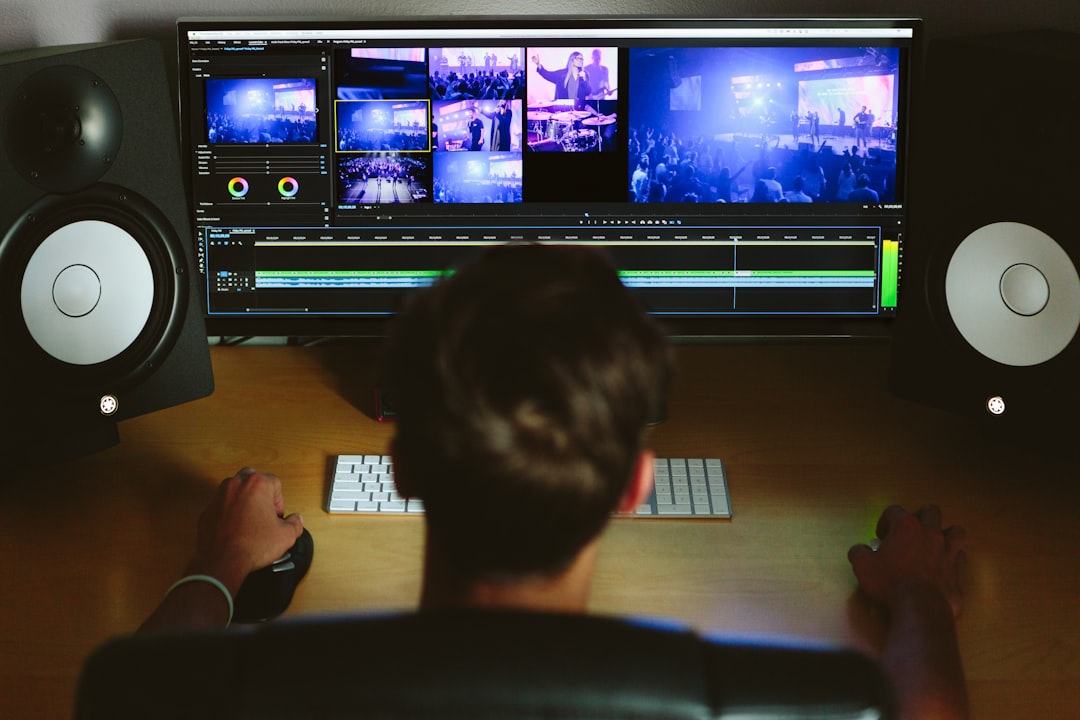
The context of this transformation is rooted in technological advancements and changing consumer behaviors. The proliferation of high-speed internet and mobile devices has made streaming the preferred mode of consumption for millions. According to a report by the International Federation of the Phonographic Industry (IFPI), 89% of music listeners now use streaming services, a dramatic increase from previous years [2].
 News
NewsUK, Thailand Partner to Face Challenges in Higher Education
Career Ahead The universities of Thailand and the United Kingdom are joining hands to tackle the global challenges faced in…
Read More →Moreover, platforms like YouTube and TikTok have redefined how artists gain visibility and engage with fans. TikTok, for instance, has emerged as a powerful tool for music promotion, with songs that go viral on the platform often translating into chart-topping hits. This phenomenon illustrates a shift from traditional marketing strategies to a more organic, user-driven approach.
This disparity highlights the need for better revenue-sharing models that can support a diverse range of creators.
However, the benefits of streaming are not evenly distributed. While top artists can earn substantial income through streaming, many independent musicians struggle to make a living. A study by the UK’s Musicians’ Union found that 70% of musicians earn less than £200 from streaming each year [3]. This disparity highlights the need for better revenue-sharing models that can support a diverse range of creators.
Furthermore, the film industry faces similar challenges. Streaming giants like Netflix and Amazon Prime Video have disrupted traditional distribution models, leading to a surge in content production. In 2022, Netflix spent over $17 billion on content, a figure that underscores its commitment to maintaining a competitive edge [4]. However, as the market becomes saturated, questions arise about the sustainability of such spending and the potential for creative burnout.
Industry experts suggest that the future of streaming will hinge on innovation and adaptability. As competition intensifies, platforms may need to explore new revenue streams, such as live events and merchandise sales, to enhance profitability. For instance, Spotify has begun experimenting with live audio and podcasting, seeking to diversify its offerings and engage users in new ways.
 International Trade
Youth Activism: A New Frontier for ESG Investment
Global youth movements are increasingly influencing ESG investments, driving significant changes in corporate policies and practices.
Read More →Moreover, as artificial intelligence (AI) technology continues to evolve, its integration into the creative process is becoming increasingly prominent. AI-driven tools are being used to analyze listener preferences and generate personalized recommendations, which can enhance user engagement. However, this raises ethical concerns about originality and the role of human creativity in the arts.
Looking ahead, the cultural economics of streaming will likely continue to evolve, driven by technological advancements and shifting consumer preferences. For professionals in the creative industries, this means staying agile and open to new opportunities. As the landscape changes, those who can adapt their skills and embrace new platforms will be better positioned to thrive.
Industry experts suggest that the future of streaming will hinge on innovation and adaptability.
For aspiring artists and creators, understanding the dynamics of streaming is crucial. Building a personal brand and engaging with audiences on social media can enhance visibility and create pathways to success. As the creative economy becomes more interconnected, collaboration across disciplines and platforms will also be vital.
 AI
AIAI Revolutionizing Museum Careers: The Rise of Smart Curatorship
Explore how AI is redefining museum careers, creating innovative curator-tech hybrids that enhance visitor experiences and redefine curation.
Read More →Ultimately, the streaming revolution is reshaping not just how we consume art but also how we create it. As the industry navigates these changes, it will be essential to advocate for fair compensation and support structures that enable a diverse range of voices to flourish. The future of the creative economy hinges on finding a balance between innovation and sustainability, ensuring that all creators have the opportunity to thrive in this new digital landscape.