No products in the cart.

The Ethical Frontier of Synthetic Media

As synthetic media rises, its ethical implications challenge traditional norms in content creation and consumption.

San Francisco, United States — The digital landscape-in-india/” class=”ca-internal-link”>landscape is undergoing a seismic shift as synthetic media, powered by artificial intelligence, becomes increasingly prevalent. AI-generated audio and video content is not just a technological marvel; it is reshaping industries, influencing how we communicate, and raising profound ethical questions.
This transformation is significant. According to a report by the McKinsey Global Institute, AI could contribute up to $13 trillion to the global economy by 2030, with synthetic media playing a crucial role in this growth. As businesses adopt these technologies, understanding the ethical implications becomes essential for leaders, educators, and content creators alike.
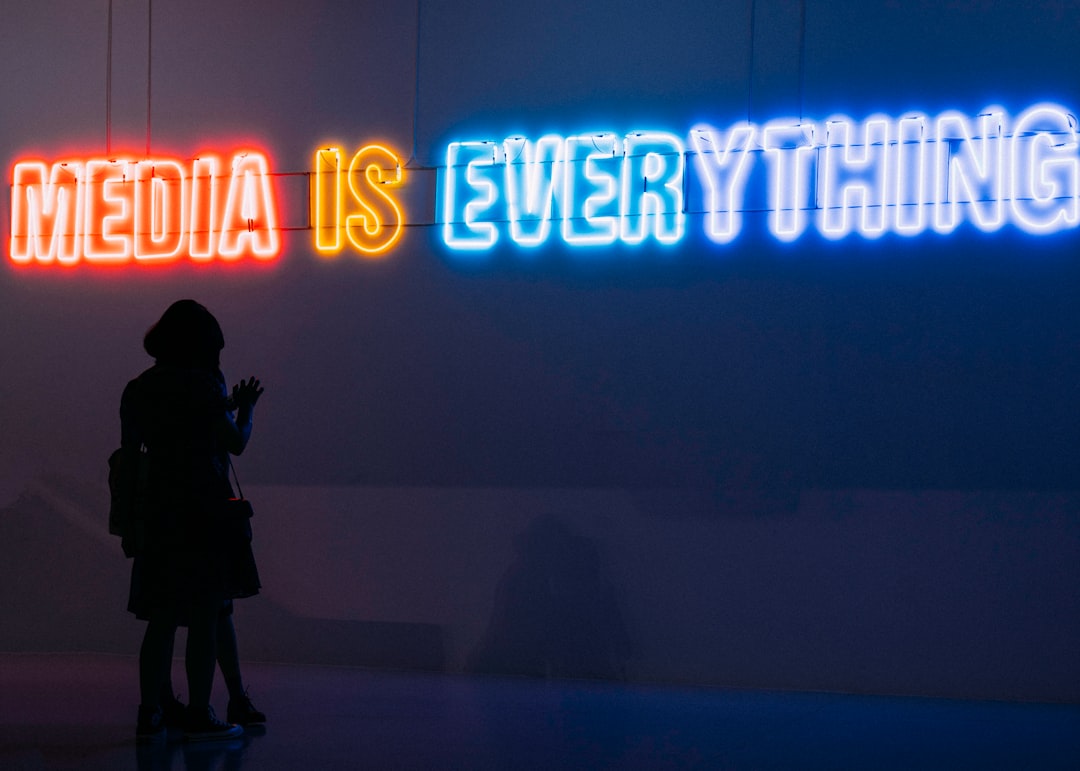
Synthetic media encompasses a range of technologies, including deepfakes, AI-generated voices, and virtual avatars. These innovations can enhance storytelling, improve accessibility, and create immersive experiences. However, they also pose risks, including misinformation, privacy violations, and the potential for manipulation.
 Business Innovation
The Innovation Engine: How Diversity of Thought Drives Success
Diversity of thought is crucial for innovation. This article explores its impact through compelling case studies and insights for businesses.
Read More →In recent years, the rise of deepfake technology has exemplified these concerns. Deepfakes use machine learning algorithms to create hyper-realistic videos that can convincingly depict individuals saying or doing things they never actually did. A 2020 study from the University of California, Berkeley, found that 96% of deepfake videos were used for non-consensual pornography, highlighting the potential for abuse and the urgent need for ethical guidelines in this domain.
Deepfakes use machine learning algorithms to create hyper-realistic videos that can convincingly depict individuals saying or doing things they never actually did.
Moreover, the advent of AI-generated audio raises similar ethical dilemmas. Companies like OpenAI and Descript are developing tools that can create human-like speech, enabling content creators to produce audio without the need for voice actors. While this technology can streamline production and reduce costs, it also raises questions about authenticity and the potential for misuse.
As the boundaries between reality and fabrication blur, the implications for the workforce are profound. A report from the World Economic Forum indicates that 85 million jobs may be displaced by 2025 due to automation and AI, while 97 million new roles could emerge that require different skills. Professionals in creative fields must adapt to these changes, acquiring skills in AI literacy, ethical content creation, and digital literacy.
Organizations are beginning to recognize the importance of ethical frameworks in navigating this new landscape. The Partnership on AI, a consortium of leading tech companies, has established guidelines aimed at promoting responsible AI development. These guidelines emphasize transparency, accountability, and the need for diverse perspectives in the creation of AI technologies.
 AI
AINavigating the Future: AI Career Assistants and the Job Market
AI career assistants are changing the landscape of job searching. Learn how they help candidates and what skills employers will…
Read More →Critics argue that self-regulation may not be enough. The rapid pace of technological advancement often outstrips the ability of regulatory bodies to keep up. In 2021, the European Commission proposed new regulations aimed at addressing the challenges posed by AI, including provisions specifically targeting deepfakes. These regulations seek to ensure that AI technologies are used responsibly and ethically, but their implementation remains a contentious issue.
Looking ahead, the challenge lies in balancing innovation with ethical considerations. As synthetic media continues to evolve, professionals must embrace a proactive approach to ethics in their work. This involves not only understanding the technology but also engaging in discussions about its societal impact.
As synthetic media continues to evolve, professionals must embrace a proactive approach to ethics in their work.
Educational institutions are starting to incorporate AI ethics into their curricula, preparing the next generation of content creators to navigate these complexities. As future leaders in technology and media, students will need to grapple with questions of responsibility, authenticity, and the potential consequences of their creations.
 Career Development
The Art of Technical Storytelling: Bridging Skills and Narratives
Storytelling is no longer just for writers; it's essential for professionals in tech. Discover how integrating narrative skills can enhance…
Read More →In conclusion, the rise of synthetic media presents both opportunities and challenges. As we stand on the brink of this new era, the responsibility to shape its ethical landscape falls on all of us. The future of work will demand not only technical skills but also a deep understanding of the implications of our creations. How we choose to engage with these technologies will define the integrity of our digital future.