No products in the cart.

The Future of Memory Preservation: Digital Archiving Innovations

Emerging digital archiving tools are set to revolutionize how we preserve memories, impacting healthcare and personal legacy. Discover the future of memory preservation.

San Francisco, USA — As technology advances at an unprecedented pace, the preservation of human memories is undergoing a remarkable transformation. Digital archiving tools are now emerging, promising to capture and preserve personal experiences in ways previously unimaginable. These innovations are not merely technical feats; they have profound implications for healthcare, personal legacy, and even our understanding of identity.
Why does this matter now? With the global population aging and the rise of neurodegenerative diseases, the need for effective memory preservation has never been more pressing. Technologies that can archive human experiences could provide solace to families grappling with memory loss, while also serving as invaluable resources for researchers studying the human brain.
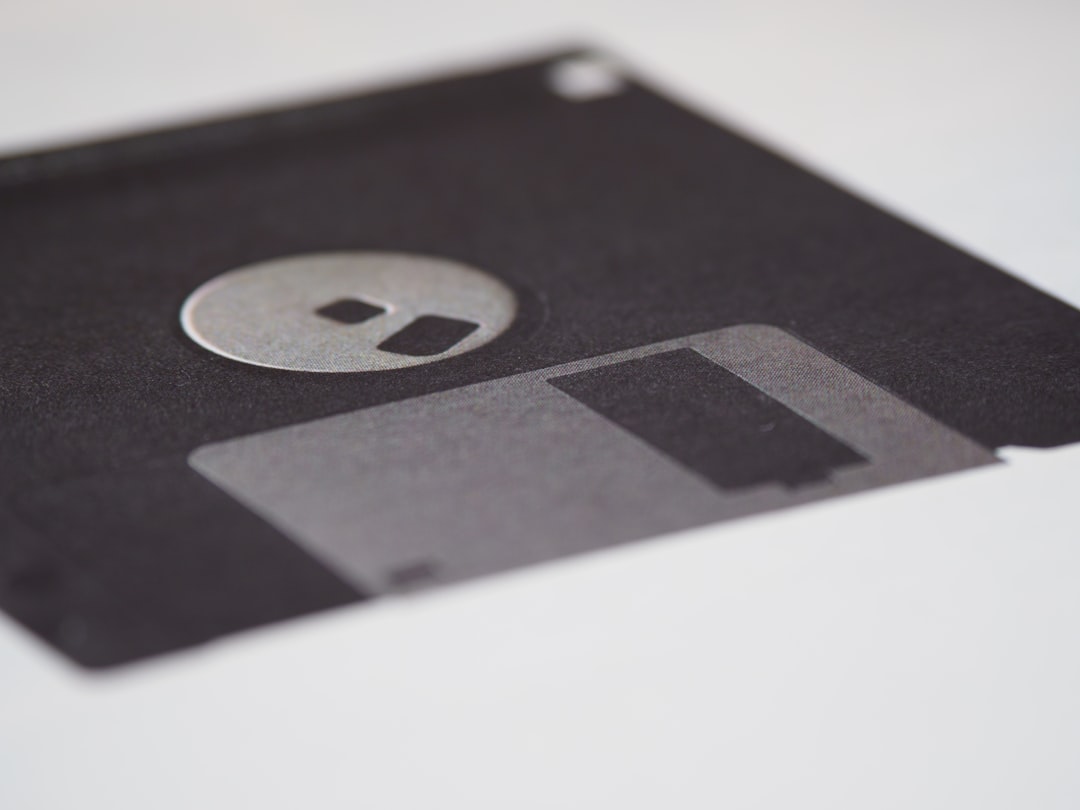
Memory preservation is not a new concept. Historically, humans have relied on oral traditions, written records, and, more recently, photographs and videos to capture moments. However, the advent of digital technology has introduced new opportunities. Companies like Evernote and Memria are pioneering tools that allow users to store memories in a structured manner, combining text, audio, and visual elements.
 Business Ethics
The Godfather’s Business Ethics: Lessons from Don Corleone
Explore the business lessons from Don Corleone's ethics that can enhance your career. From loyalty to reputation management.
Read More →According to a report by Statista, the global market for digital memory preservation tools is projected to reach $3 billion by 2027, driven by advancements in artificial intelligence and cloud computing. This growth reflects a broader trend towards personal data management, where individuals seek to curate their digital legacies.
This growth reflects a broader trend towards personal data management, where individuals seek to curate their digital legacies.
But the implications extend beyond mere storage. Digital archiving tools can also facilitate the sharing of memories across generations. StoryCorps, a nonprofit organization dedicated to recording personal stories, exemplifies this trend. Their platform allows users to record interviews with loved ones, preserving oral histories that can be shared with future generations. This approach not only strengthens familial bonds but also enriches the cultural tapestry of society.
Moreover, the healthcare sector is increasingly recognizing the value of memory preservation. For instance, the Alzheimer’s Association has begun to advocate for the use of digital tools to help patients and caregivers document experiences and emotions. This initiative is rooted in the understanding that memories are integral to personal identity and can significantly enhance the quality of life for those affected by memory impairments.
However, the rise of digital memory preservation is not without challenges. Privacy concerns loom large. Individuals must navigate the complexities of data ownership and security. As memories are digitized, they become susceptible to hacking and unauthorized access. Companies must prioritize robust security measures to protect users’ personal histories.
 Economics
Vietnam’s Lam Takes Spotlight as Party Selects New Leadership
Vietnam's Communist Party is set to approve a new leadership structure, with Lam taking center stage. This article explores the…
Read More →Ethical considerations also arise. Who owns a memory once it is digitized? What happens when a user passes away? These questions are prompting discussions among technologists, ethicists, and legal experts. The answers will shape the future of digital memory preservation.
Looking ahead, the integration of artificial intelligence into memory preservation tools could further revolutionize the field. AI algorithms can analyze vast amounts of data, identifying patterns and connections that may not be immediately apparent. This capability could lead to personalized memory curation, where users receive tailored suggestions for what to preserve based on their unique experiences and preferences.
The answers will shape the future of digital memory preservation.
Additionally, the development of virtual reality (VR) and augmented reality (AR) technologies holds the potential to create immersive memory experiences. Imagine donning a VR headset to relive cherished moments or using AR to overlay memories onto the physical world. Such advancements could redefine how we interact with our past.
 Career Development
The Return of Apprenticeships
Apprenticeships are making a comeback, adapting to today's tech and creative industries. This article explores their evolution and impact.
Read More →As we stand on the brink of this new frontier, the question remains: how will we choose to preserve our memories? Will we embrace these technologies to enhance our understanding of ourselves and our histories, or will we shy away from the complexities they introduce? The future of memory preservation is not just about technology; it is about how we define and connect with our personal legacies.