No products in the cart.

The Future of Steel: AI’s Role in Transforming Heavy Manufacturing
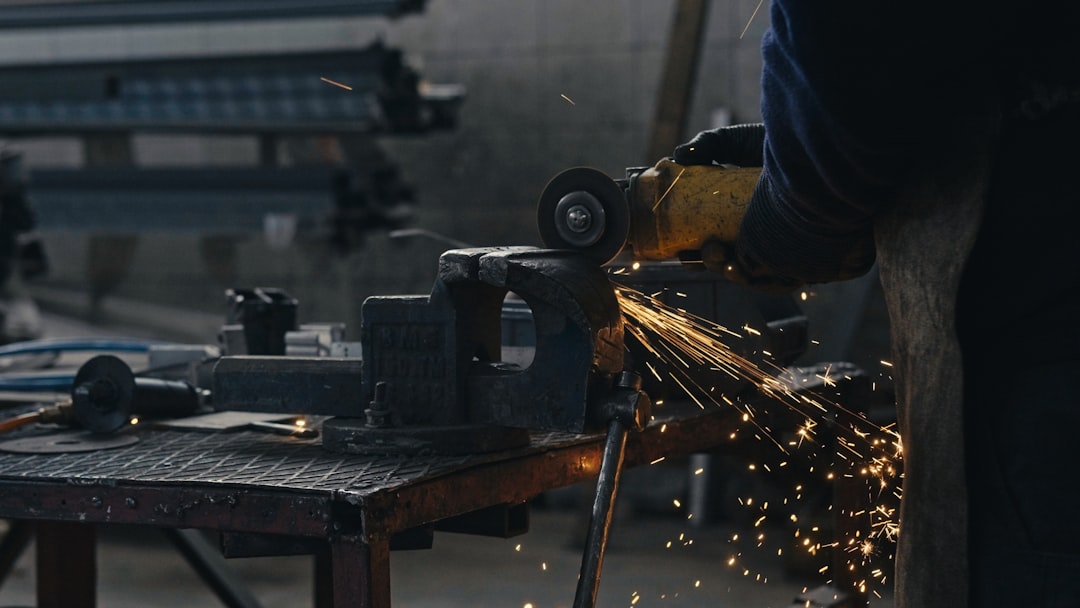
AI is reshaping the steel and heavy manufacturing sectors, demanding new skills and redefining job roles. Explore the implications for workers and industry.

Pittsburgh, USA — The steel industry is undergoing a revolution, driven by advancements in artificial intelligence (AI) and robotics. As companies like U.S. Steel and Nucor embrace these technologies, they are not only enhancing productivity but also redefining the skills required for the workforce. The integration of AI is set to transform traditional roles, demanding a new generation of workers equipped with technical and analytical skills.
This transformation matters profoundly in today’s economy. With the global steel market projected to reach $1 trillion by 2026, the need for skilled labor is more critical than ever. The World Steel Association reports that the sector employs over 1.5 million people in the U.S. alone, and as the industry evolves, so too must the workforce that supports it.

The shift towards AI in steel manufacturing encompasses various technologies, including robotics for automated welding and predictive analytics for maintenance. For instance, U.S. Steel has implemented AI systems to monitor equipment health and predict failures before they occur. This proactive approach not only minimizes downtime but also enhances safety protocols, reducing workplace accidents by 20% in facilities utilizing AI technologies [1].
 Business
Wellness Startups Attract $10 Billion in 2025 as Mental Health Gains Corporate Priority
Wellness startups raised $10 billion in 2025, with mental health innovation leading the surge. This influx reflects shifting corporate priorities…
Read More →As the industry evolves, so does the educational landscape. Technical schools and universities are adapting their curricula to meet these new demands. Programs in data analytics, machine learning, and robotics are becoming essential for aspiring manufacturing professionals. Community colleges are partnering with local industries to offer tailored training programs that align with the specific needs of steel manufacturers.
Programs in data analytics, machine learning, and robotics are becoming essential for aspiring manufacturing professionals.
Moreover, the role of traditional steelworkers is changing. Positions that once focused solely on manual labor are now requiring a blend of technical knowledge and analytical skills. For example, operators are now expected to interact with AI systems, interpreting data to make informed decisions about production processes. This shift is prompting a cultural change within companies, as they invest in upskilling their employees to thrive in a tech-driven environment.
Industry leaders highlight the importance of continuous learning. “We need to create an environment where our workers can grow and adapt alongside technology,” says Mike Rehwinkel, Vice President of Technology at Nucor. “Investing in our people is just as important as investing in new machinery.” This commitment to workforce development is crucial as manufacturers seek to retain talent amid a competitive labor market.
However, the transition to an AI-centric workforce is not without challenges. Many workers face the prospect of job displacement as automation takes over repetitive tasks. The Brookings Institution estimates that up to 25% of jobs in manufacturing could be at risk due to automation by 2030 [2]. This reality underscores the urgency for companies and policymakers to collaborate on solutions that ensure a smooth transition for the workforce.
 Career Challenges
Gen Z Faces AI Hiring Challenges in 2025
As automation reshapes the job market, Gen Z faces unprecedented challenges in securing employment. This piece explores the implications and…
Read More →As steel manufacturers adopt AI technologies, the demand for skilled labor is expected to grow. A recent report from the McKinsey Global Institute projects that by 2030, the manufacturing sector will need an additional 2 million workers with advanced technical skills [3]. This surge highlights the necessity for effective training programs that can quickly equip workers with the skills they need to succeed in this evolving landscape.
Looking ahead, the steel industry’s embrace of AI and automation presents both opportunities and challenges. For workers, the path forward lies in adaptability and continuous education. As companies invest in technology, they must also prioritize the development of their human capital. The future of steel manufacturing will depend not only on cutting-edge technology but also on the people who operate and innovate within that framework.
“Investing in our people is just as important as investing in new machinery.” This commitment to workforce development is crucial as manufacturers seek to retain talent amid a competitive labor market.
In this new era, collaboration between industry leaders, educational institutions, and government entities will be essential. By fostering partnerships that promote skills training and workforce development, the steel industry can navigate the challenges of automation while ensuring that its workers are prepared for the future. The question remains: how will the workforce respond to these changes, and what steps will be taken to ensure that no one is left behind in the march toward a more automated future?