No products in the cart.

The Future of Sulfate-Free Shampoos: A Market Analysis
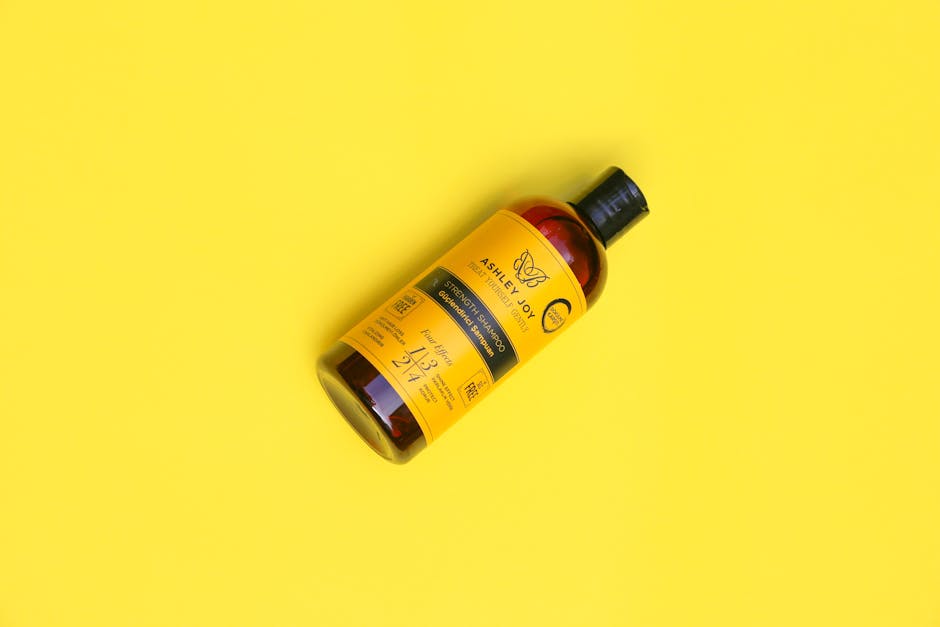
Discover the trends shaping the sulfate-free shampoo market and their implications for consumers and brands alike by 2035.

London, United Kingdom — The beauty industry is experiencing a seismic shift, driven by the rising demand for sulfate-free shampoos. Once a niche market, these products are now sweeping across salons and shelves, promising gentle cleansing without the harsh chemicals that can strip hair of its natural oils. As consumers become increasingly conscious of what they put on their bodies, the sulfate-free shampoo market is projected to see exponential growth. By 2035, it could become a multi-billion dollar industry, fundamentally altering the landscape of personal care.
The rise of sulfate-free shampoos can be attributed to a growing awareness of the ingredients in beauty products. In a world where consumers are more informed than ever, many are opting for formulations that align with their values. This trend isn’t just about personal preference; it’s a reflection of a broader cultural movement towards sustainability and health-conscious living.
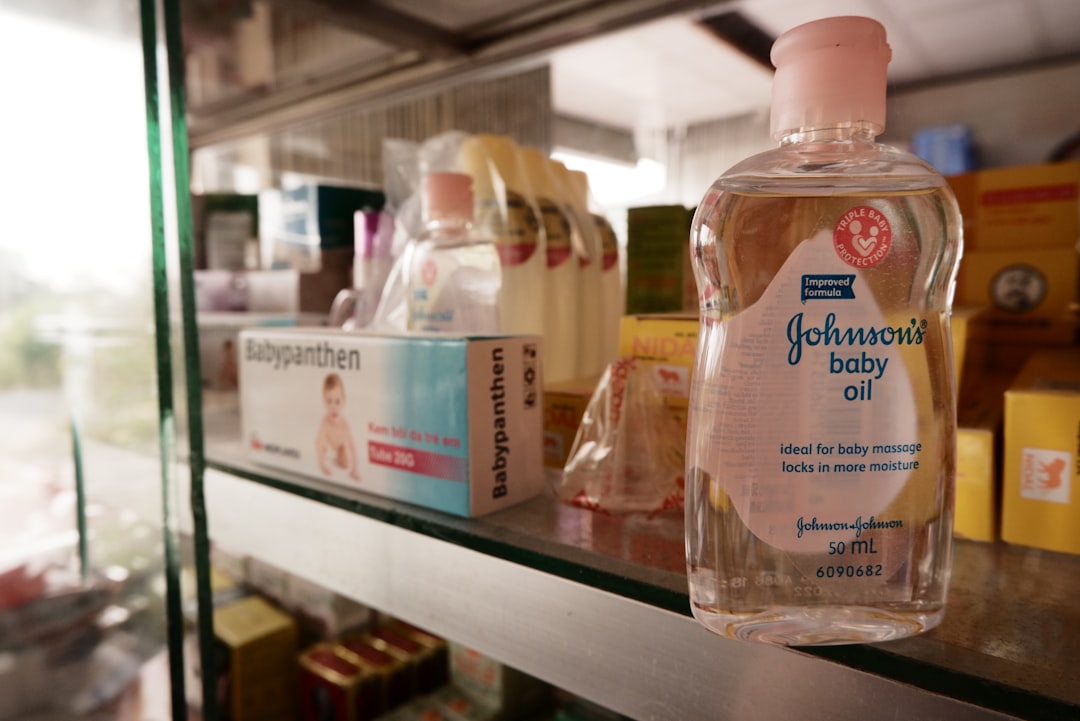
According to recent market research, the sulfate-free shampoo sector is expected to expand significantly over the next decade. Reports suggest that by 2035, this market could reach $XX billion, driven by increasing consumer demand for natural and organic products[1]. Brands are responding accordingly, with major players reformulating existing products and new entrants emerging to meet this demand.
 Career Development
The Future of Careers in Online Education: Opportunities and Challenges
Explore the burgeoning field of online education and the career opportunities it presents for the future workforce.
Read More →Yet, the journey hasn’t been without its challenges. As brands pivot towards sulfate-free options, they must navigate a saturated market filled with products that claim to be “natural” or “organic.” This has led to a rise in skepticism among consumers, who are now more discerning than ever. They want transparency and authenticity. Brands that fail to provide clear and honest information risk losing the trust of their audience.
As brands pivot towards sulfate-free options, they must navigate a saturated market filled with products that claim to be “natural” or “organic.” This has led to a rise in skepticism among consumers, who are now more discerning than ever.
Moreover, the conversation around sulfate-free shampoos intersects with larger dialogues about sustainability and environmental impact. Many consumers are not only looking for products that are kind to their hair but also to the planet. Companies that prioritize eco-friendly packaging and ethically sourced ingredients are likely to stand out in this crowded marketplace.
Take, for instance, the success of brands like Function of Beauty and Olaplex, which have carved out loyal followings by emphasizing customization and transparency in their formulations. Function of Beauty allows consumers to create personalized shampoo formulas tailored to their specific hair needs, a model that resonates particularly well with the millennial and Gen Z demographics. Olaplex, on the other hand, has become synonymous with hair repair, promoting the idea that healthy hair is achievable for everyone.
But the sulfate-free shampoo trend isn’t just limited to high-end brands. Drugstore chains are also getting in on the action, with affordable options flooding the market. This democratization of beauty products means that more consumers have access to sulfate-free options, further driving demand and expanding the market.
 Future of Work
Tech, innovation to help boost jobs; focus on re-skilling: Scindia
India's job market is set for a transformation as technology and re-skilling efforts gain momentum, according to recent statements from…
Read More →As we look towards the future, the intersection of digital media consumption and beauty product marketing will play a pivotal role in shaping consumer behavior. Social media platforms like Instagram and TikTok are not just avenues for brand promotion; they are powerful tools for education and community building. Influencers and everyday users alike share their experiences with sulfate-free shampoos, creating a sense of trust and authenticity that traditional advertising often lacks.
In this new landscape, brands must leverage these platforms effectively. They need to engage with consumers, respond to inquiries, and cultivate a community around their products. The brands that succeed will be those that recognize the importance of storytelling in their marketing efforts, sharing not just what’s in their bottles, but also the values and mission behind their brands.
In this new landscape, brands must leverage these platforms effectively.
Looking beyond 2035, the trends we see today in the sulfate-free shampoo market may serve as a microcosm for broader shifts in consumer behavior across the beauty industry and beyond. As health, wellness, and environmental consciousness continue to influence purchasing decisions, companies must adapt or risk obsolescence.
 EdTech
The Shifting Sands of Talent: Navigating a New American Workforce
A significant decline in the foreign-born population in the U.S. has reshaped the labor market, creating new challenges and opportunities…
Read More →The path forward is clear: brands that prioritize transparency, sustainability, and community engagement are likely to thrive in this evolving market. The future of beauty is not just about looking good; it’s about feeling good about the choices we make.