No products in the cart.

The Global Future of Renewable Agriculture: Transforming Food Systems
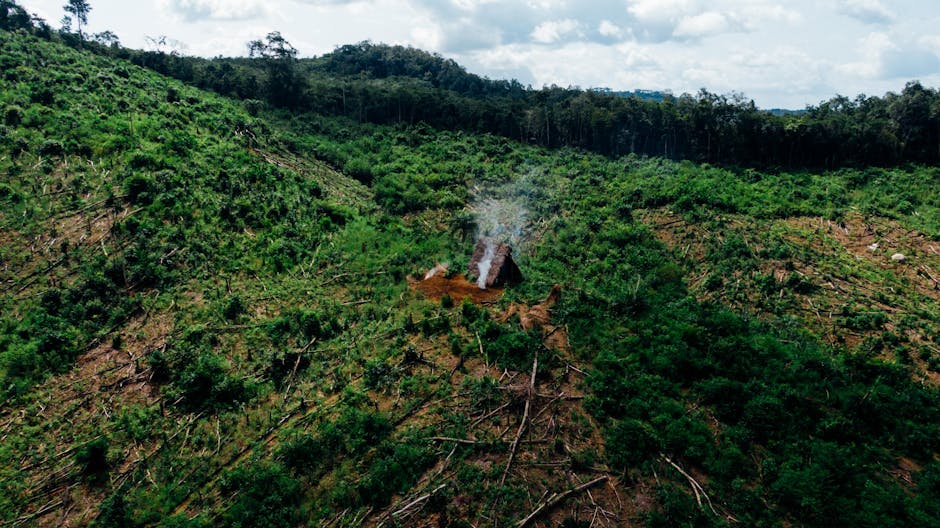
Discover how regenerative agriculture is poised to transform food systems worldwide, ensuring sustainability and resilience for future generations.

Amsterdam, Netherlands — The future of agriculture is being redefined. As global populations swell toward an estimated 9.7 billion by 2050, the pressure on food systems is mounting. Traditional farming methods are increasingly inadequate to meet the challenges of climate change, soil degradation, and water scarcity. Enter renewable agriculture, a set of innovative, regenerative farming practices that promise not only to feed the world but do so sustainably.
Why does this matter now? The urgency for sustainable food production has never been clearer. The United Nations estimates that food production must increase by 70% by 2050 to meet the demands of a growing population. This presents an opportunity for farmers, entrepreneurs, and policymakers to rethink their approach and embrace sustainable practices that can rejuvenate the planet.
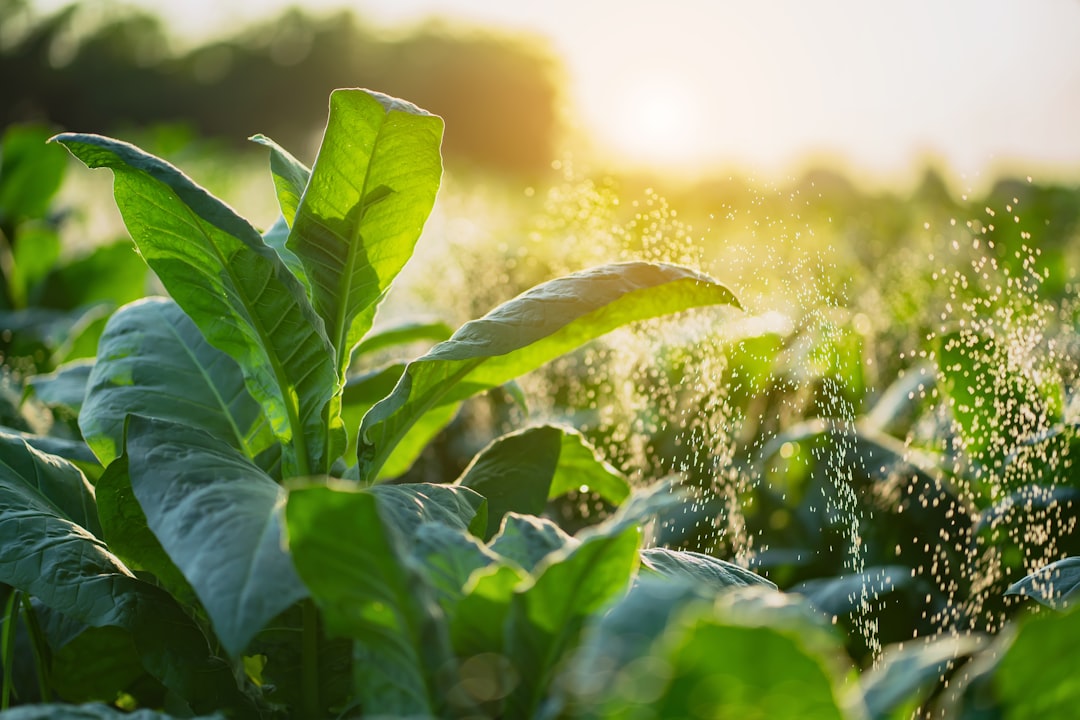
Regenerative agriculture focuses on restoring soil health, increasing biodiversity, and enhancing ecosystem services. Techniques such as cover cropping, crop rotation, and agroforestry are becoming mainstream, as they not only boost yields but also mitigate climate impacts. According to a report by the Rodale Institute, transitioning to regenerative practices can sequester up to 322 billion tons of carbon dioxide, significantly lowering greenhouse gas emissions and helping combat climate change.
 Career Challenges
Gen Z Faces AI Hiring Challenges in 2025
As automation reshapes the job market, Gen Z faces unprecedented challenges in securing employment. This piece explores the implications and…
Read More →Contextually, the European Union has been at the forefront of this movement, with initiatives like the European Green Deal aiming for a climate-neutral continent by 2050. This policy framework encourages sustainable farming practices that enhance food security while addressing environmental challenges. For instance, the EU’s Farm to Fork Strategy emphasizes organic farming and sustainable food systems, aiming to have at least 25% of the EU’s agricultural land under organic farming by 2030.
This policy framework encourages sustainable farming practices that enhance food security while addressing environmental challenges.
However, the transition to renewable agriculture is not without its challenges. Farmers often face significant barriers, including financial constraints, lack of access to information, and resistance to change. A study from the Food and Agriculture Organization (FAO) highlights that while regenerative practices can lead to long-term benefits, the initial investment and knowledge gaps can deter widespread adoption.
Perspectives on the issue vary. Advocates argue that the economic viability of regenerative agriculture is becoming increasingly clear as consumers demand sustainably sourced products. A report by McKinsey & Company found that the global market for organic food is projected to reach $320 billion by 2025, driven by consumer preference for healthier and more sustainable options. This shift opens avenues for freelance consultants and gig workers specializing in sustainable farming practices, creating a new ecosystem of jobs centered on renewable agriculture.
On the other hand, critics caution against overly romanticizing regenerative agriculture. They argue that while it has immense potential, it may not be a panacea for all agricultural problems. The International Food Policy Research Institute (IFPRI) warns that without careful implementation and consideration of local contexts, the adoption of these practices could lead to unintended consequences, such as food insecurity in vulnerable regions.
 Career Development
Exploring Underrated Careers: Opportunities for Growth
Explore ten underrated careers that are gaining traction globally. Learn about the skills needed and potential career paths.
Read More →Looking ahead, the role of technology in renewable agriculture cannot be overstated. Innovations such as precision agriculture, blockchain for supply chain transparency, and AI-driven analytics are transforming how food is produced, monitored, and distributed. For example, companies like Indigo Agriculture are harnessing microbiome science to enhance crop resilience, while startups like FarmWise are using robotics to automate weeding and harvesting, reducing the need for chemical inputs.
The intersection of technology and sustainable farming presents a fertile ground for new business models. Freelancers and gig workers can tap into this burgeoning field by offering expertise in areas such as data analysis, sustainable marketing, and technology integration for farming operations. As the demand for sustainable practices grows, so too does the need for skilled professionals who can bridge the gap between traditional agriculture and innovative solutions.
This shift opens avenues for freelance consultants and gig workers specializing in sustainable farming practices, creating a new ecosystem of jobs centered on renewable agriculture.
The future of renewable agriculture is bright, yet complex. As we navigate the challenges of feeding a growing population while protecting our planet, the potential for innovation and collaboration is immense. The question remains: how will we balance the need for increased food production with the imperative of sustainability? The answers lie in our willingness to adapt, innovate, and embrace the principles of regenerative agriculture.