No products in the cart.

The Impact of AI on Animation Careers: A New Era for Storyboard Artists
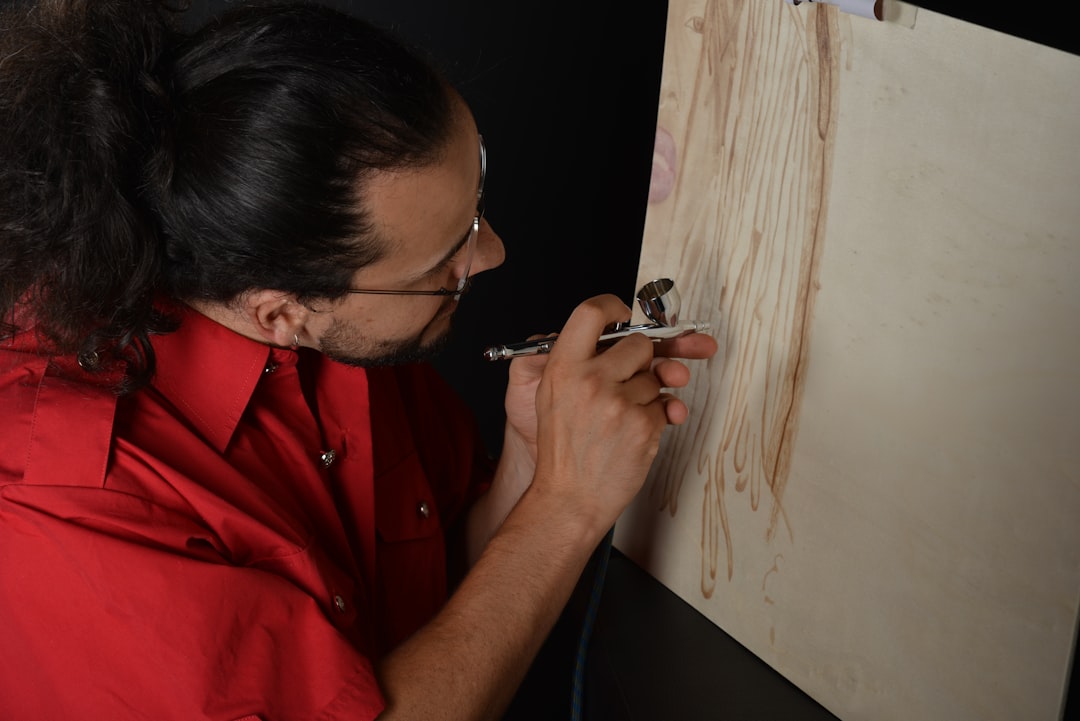
As AI technology evolves, storyboard artists face new challenges and opportunities. Explore the impact on animation careers today.

Los Angeles, USA — The animation industry is undergoing a seismic shift. Artificial intelligence (AI) is redefining the landscape of visual storytelling, prompting many to question: Will AI replace storyboard artists? As studios increasingly experiment with AI tools to streamline their workflows, the role of traditional animators is being scrutinized.
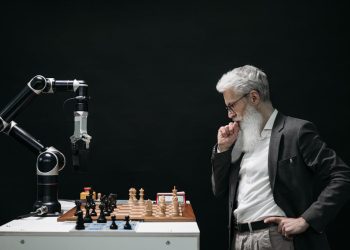
In recent years, companies like Disney and Pixar have begun integrating AI into their production processes. Disney’s AI initiative, known as “Project Stitch,” aims to automate some aspects of animation, potentially reducing the need for extensive manual storyboarding. Meanwhile, Pixar has developed AI-driven tools that assist artists in generating backgrounds and character designs, allowing them to focus on more creative aspects of their work. This raises an important question: Is AI an ally or a rival for creatives in animation?

The Current Landscape of Animation
The global animation industry was valued at approximately $270 billion in 2023 and is projected to reach $400 billion by 2028, according to a report by Allied Market Research[1]. This growth is fueled by an increasing demand for animated content across various platforms, including streaming services, video games, and advertising. As the market expands, studios are under pressure to produce content faster and more efficiently.
 Business Innovation
Mendoza’s Mining Renaissance: A Strategic Shift in Argentina
Mendoza's strategic revolution in mining is reshaping the industry landscape. Explore how innovation and sustainability drive this transformation.
Read More →AI technologies, such as machine learning and neural networks, have shown promise in automating repetitive tasks, from in-betweening (the process of generating intermediate frames) to character rigging. These innovations can significantly reduce production time and costs, making them attractive to studios. However, the implications for storyboard artists, who traditionally lay the groundwork for animated stories, are substantial.
AI technologies, such as machine learning and neural networks, have shown promise in automating repetitive tasks, from in-betweening (the process of generating intermediate frames) to character rigging.
AI as a Tool, Not a Replacement
Industry experts argue that while AI can enhance productivity, it cannot replicate the emotional depth and creativity that human artists bring to their work. “AI can assist with mundane tasks, but the heart of storytelling lies in human experience,” says Dr. Emily Choi, a professor of Animation at California Institute of the Arts[2]. The nuances of character development, pacing, and emotional arcs require a level of intuition and empathy that AI has yet to achieve.
Moreover, the integration of AI into animation workflows can lead to new collaborative opportunities. Artists can leverage AI tools to explore creative possibilities that were previously unattainable. For instance, AI can generate multiple variations of a character design, allowing artists to refine their ideas more efficiently. This synergy between human creativity and AI efficiency could usher in a new era of innovation in the animation industry.
However, the transition is not without its challenges. Many storyboard artists worry about job security in an AI-driven landscape. A survey conducted by the Animation Guild in 2023 revealed that 63% of animators expressed concerns over AI potentially replacing their roles[3]. The fear of obsolescence is palpable, and it highlights the need for professionals to adapt and upskill.
 AI
AIAI’s Impact on Stock Photography: A New Era for Creatives
AI is reshaping stock photography, raising questions about the future of creative careers in this sector.
Read More →Adapting to the Future
For storyboard artists, embracing AI may be the key to staying relevant. Continuous learning and skill development are essential in an evolving job market. Online platforms like Coursera and Udacity offer courses in AI and machine learning specifically tailored for creatives. These programs can equip artists with the knowledge to integrate AI into their workflows, enhancing their value in a competitive industry.
Additionally, studios are recognizing the importance of fostering a culture of innovation. Companies like DreamWorks and Sony Animation are investing in training programs that teach artists how to use AI tools effectively. By collaborating with AI rather than viewing it as a threat, storyboard artists can position themselves as indispensable assets in the creative process.
Continuous learning and skill development are essential in an evolving job market.
The Road Ahead
As AI continues to evolve, the animation industry will likely see a shift in the types of skills that are in demand. While technical proficiency in AI tools will become increasingly important, the ability to craft compelling narratives and connect with audiences will remain paramount. Storyboard artists must not only adapt to new technologies but also continue to hone their storytelling abilities.
 Career Advice
How to Choose Between Multiple Offers Without Regret
Choosing between multiple job offers can be daunting. This article explores effective strategies, including scoring matrices and negotiation tactics, to…
Read More →The future of animation is undoubtedly intertwined with technology. However, the essence of storytelling—emotion, connection, and creativity—remains a distinctly human trait. As the industry navigates these changes, an exciting frontier lies ahead for those willing to embrace innovation while preserving the art of storytelling. The challenge for storyboard artists will be to harness AI as a tool for amplification rather than a replacement, ensuring that the human touch remains at the heart of every animated story.