No products in the cart.

The Imperative of Climate Literacy for CEOs

Climate literacy is becoming essential for CEOs as businesses face ecological challenges. This article explores its importance and impact.

New York, USA — As climate change accelerates, the role of corporate leaders in addressing ecological issues has never been more critical. CEOs today must navigate an increasingly complex landscape where understanding climate science is as essential as mastering financial reports. The stakes are high, and the need for climate literacy has transformed from a niche concern into a mainstream business imperative.
In recent years, companies have begun to recognize the tangible benefits of integrating ecological awareness into their core strategies. A report by the World Economic Forum states that over 60% of executives believe that sustainability will be a key driver of competitive advantage in the coming decade[1]. Firms that prioritize climate literacy are not only improving their reputations but also enhancing their bottom lines.
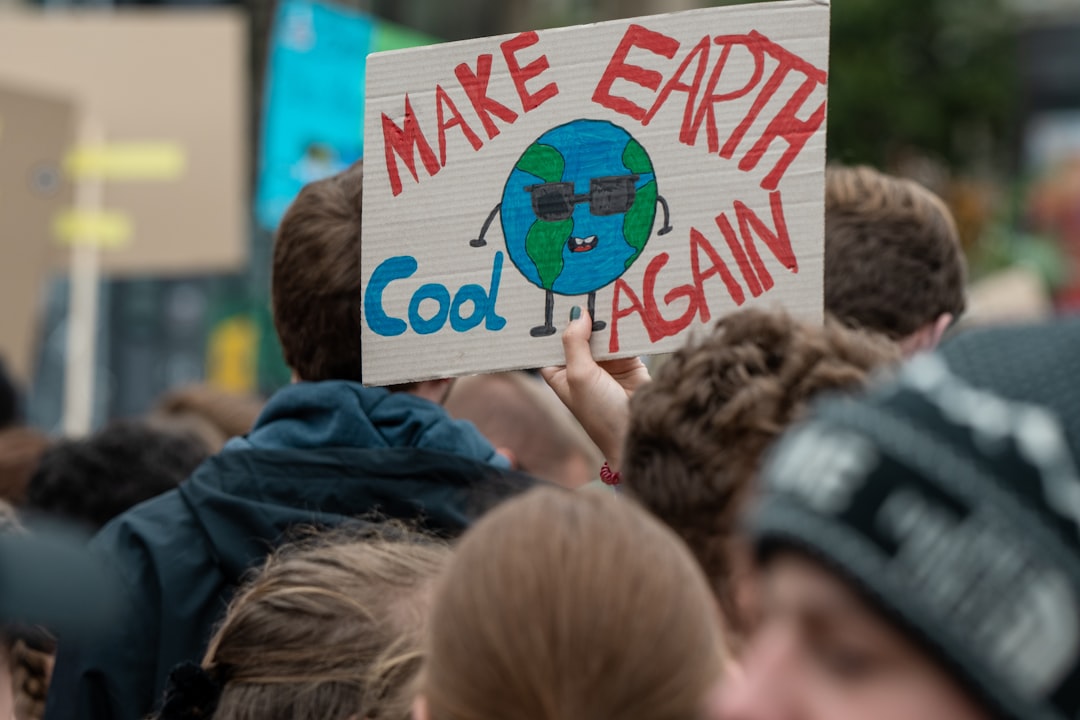
The Business Case for Climate Literacy
Take the example of Unilever, which has long championed sustainability. The consumer goods giant’s Sustainable Living brands grew 69% faster than the rest of the business in 2021, underscoring the financial viability of eco-friendly practices[2]. By embedding climate literacy into its corporate culture, Unilever has not only aligned itself with consumer values but has also unlocked new revenue streams.
 Business Innovation
The Power of Play: Driving Innovation Through Gamification
Gamification is more than just a trend; it’s a powerful tool for innovation. Learn how play can enhance creativity and…
Read More →Similarly, Microsoft has committed to becoming carbon negative by 2030. This ambitious goal is not just a publicity stunt; it’s a strategic move that positions the tech giant as a leader in sustainability. The company’s investment in carbon removal technologies is projected to create a multi-billion-dollar market opportunity as global demand for green solutions grows[3].
The Business Case for Climate Literacy Take the example of Unilever, which has long championed sustainability.
Challenges and Counterarguments
While the benefits of climate literacy are clear, some CEOs remain skeptical. Critics argue that integrating sustainability into business models can be costly and may divert focus from short-term profits. However, this view is increasingly seen as short-sighted. According to a study by McKinsey, companies that invest in sustainability can expect a return on investment of 5-10% annually over the long term[4].
Moreover, the risk of inaction is profound. The Intergovernmental Panel on Climate Change (IPCC) warns that businesses unprepared for climate impacts may face severe disruptions, including supply chain disruptions and regulatory penalties. As a result, CEOs who overlook climate literacy may inadvertently jeopardize their companies’ futures.
Actionable Steps for CEOs
So, how can CEOs enhance their climate literacy? First, they must prioritize education. Engaging in training programs focused on environmental issues can equip leaders with the knowledge needed to make informed decisions. Collaborating with organizations like the Carbon Disclosure Project can also provide valuable insights into best practices for sustainability reporting.
 AI
AIBlinkit-AI’s Ambitious Leap: Securing $1.2 Million to Propel AI Services in India
Blinkit-AI, an Indian AI startup, has secured $1.2 million in funding. This investment aims to boost its unified AI services,…
Read More →Second, fostering a culture of sustainability within the organization is crucial. This involves integrating sustainability metrics into performance evaluations and encouraging employees at all levels to contribute to eco-friendly initiatives. Companies like Patagonia have successfully engaged their workforce in environmental activism, which has strengthened their brand and employee loyalty.
Lastly, building partnerships with startups and innovators in the green technology space can facilitate the adoption of sustainable practices. Companies like IKEA have invested in renewable energy projects and developed circular economy initiatives, positioning themselves as leaders in sustainability while reaping financial benefits.
Companies like Patagonia have successfully engaged their workforce in environmental activism, which has strengthened their brand and employee loyalty.
The Future of Business Leadership
As we look ahead, the demand for climate literacy among leaders will only grow. Consumers are becoming more environmentally conscious, and investors are increasingly favoring businesses with robust sustainability practices. According to a report by Deloitte, 77% of investors are more likely to invest in companies that prioritize environmental sustainability[5].
 AI
AIAI Summit 2025: Liverpool’s Vision for ‘AI for Good’
Liverpool City Region is solidifying its role in global AI leadership with the return of the AI Summit 2025, focusing…
Read More →In this evolving landscape, CEOs must recognize that climate literacy is not just an ethical obligation but a strategic advantage. By embracing this knowledge, they can lead their companies toward a sustainable future, ensuring resilience in the face of global challenges. The time for action is now; the question remains: will your leadership rise to the occasion?