Fashion is not just about aesthetics; it reflects and shapes social values. Explore how personal style communicates deeper meanings in today's society.
New York, USA — Fashion is often dismissed as superficial, yet it serves as a powerful medium for expressing social values and identity. In today’s globalized world, personal style transcends mere clothing choices; it reflects cultural narratives, economic conditions, and even political stances. As the fashion industry evolves, understanding the underlying messages conveyed through style becomes increasingly crucial for consumers and businesses alike.
As we navigate the complexities of modern life, the way we dress can communicate our beliefs and affiliations without uttering a single word. This phenomenon is particularly relevant now, as societal movements and economic shifts shape our perceptions of self-expression. The COVID-19 pandemic, for example, has accelerated the rise of casual wear, reflecting a collective desire for comfort and practicality in uncertain times. With the rise of remote work, the line between professional and personal attire has blurred, prompting a reevaluation of what fashion means in the workplace.
Fashion’s role as a social communicator is not new. Historical movements like the suffragette movement in the early 20th century used clothing as a form of protest. Women donned white dresses to symbolize purity and equality, making a bold statement in their fight for voting rights. Fast forward to today, and we see similar trends where fashion becomes a canvas for activism. The Black Lives Matter movement, for instance, has seen the rise of brands like Pyer Moss and Off-White, which use their platforms to advocate for racial justice and equality.
Context and Background
According to a report by McKinsey & Company, the global fashion industry is projected to reach $2.5 trillion by 2025. This growth is not just about economic gain; it reflects shifting consumer values. A survey by Deloitte found that 64% of consumers are more likely to buy from brands that align with their values. This alignment is particularly evident in the rise of sustainable fashion, where brands like Patagonia and Everlane have gained traction by prioritizing ethical production and environmental responsibility.
This growth is not just about economic gain; it reflects shifting consumer values.
The emergence of social media has further amplified fashion’s communicative power. Platforms like Instagram and TikTok allow individuals to curate their personal brands, showcasing their style choices and influencing others. Influencers and celebrities wield significant power, often shaping trends and pushing social narratives. For example, when Billie Eilish wore a custom Gucci outfit to the 2021 Met Gala, it sparked conversations about body image and self-acceptance, reinforcing the idea that fashion can challenge societal norms.
However, the relationship between fashion and social values is not without its complexities. The rise of fast fashion has raised ethical concerns about labor practices and environmental impact. Brands like Zara and H&M have faced backlash for their unsustainable practices, prompting a call for greater transparency and accountability within the industry. As consumers become more aware of these issues, the demand for ethical fashion continues to grow, leading to a shift in how brands operate.
Analysis from Multiple Perspectives
Experts argue that fashion is a reflection of societal values, often mirroring economic conditions and cultural shifts. Fashion historian Valerie Steele notes, “Clothing is a form of non-verbal communication that conveys messages about identity, status, and values.” This sentiment is echoed by sociologist Thorstein Veblen, who posited that clothing serves as a means of signaling social status. In a world where social media amplifies visibility, the stakes of fashion choices are higher than ever.
Moreover, the intersection of technology and fashion is reshaping how we perceive style. The rise of virtual reality and augmented reality in retail allows consumers to engage with fashion in new ways. Brands like Balenciaga and Gucci have embraced digital fashion, creating virtual collections that challenge traditional notions of clothing. This evolution raises questions about the future of fashion: will digital clothing become a mainstream form of self-expression, or will it remain a niche market?
This evolution raises questions about the future of fashion: will digital clothing become a mainstream form of self-expression, or will it remain a niche market?
As the fashion landscape continues to evolve, the implications for businesses are profound. Companies must adapt to changing consumer expectations, prioritizing sustainability and ethical practices. The ability to communicate values through fashion will increasingly determine brand loyalty and market success. According to a report by Fashion Revolution, 73% of consumers want to know the story behind their clothing, highlighting the importance of transparency in the industry.
Forward-Looking Insights
Looking ahead, the fashion industry faces both challenges and opportunities. The demand for sustainable and ethical fashion will likely continue to grow, pushing brands to innovate and rethink their practices. As technology advances, the integration of digital fashion may reshape consumer engagement, creating new avenues for self-expression.
Ultimately, the future of fashion will hinge on its ability to adapt to societal values and consumer expectations. As we navigate this dynamic landscape, one question looms large: how will the next generation of consumers redefine fashion, and what values will they prioritize in their style choices? The answers may shape not only the industry but also the broader cultural narrative for years to come.
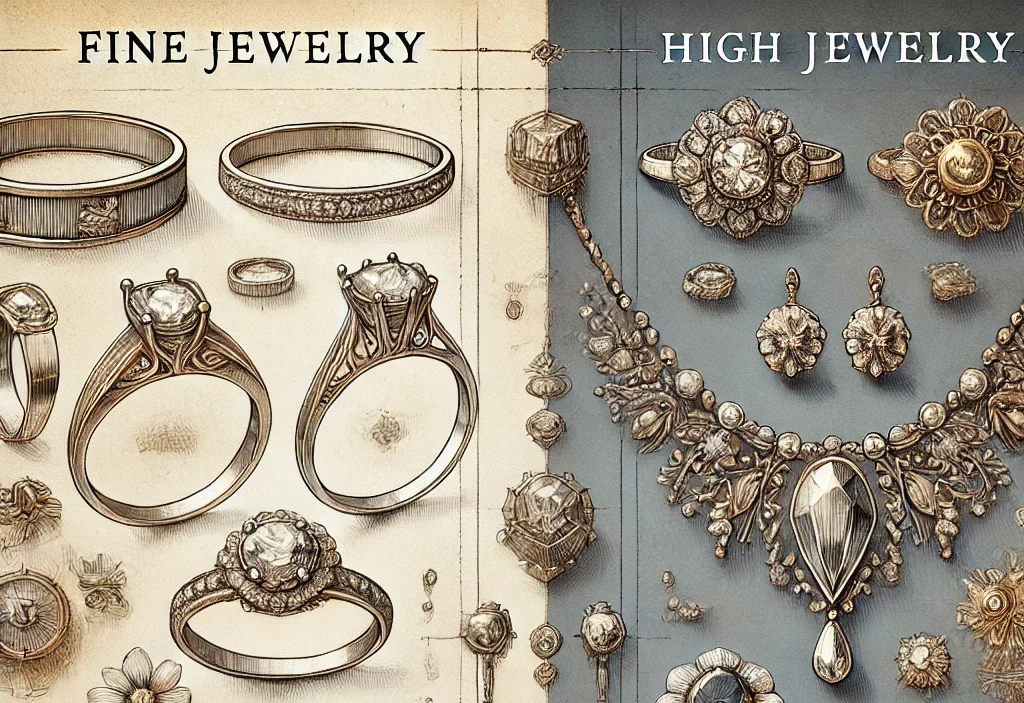
Fine jewelry and high jewelry represent two distinct worlds of luxury. While fine jewelry offers everyday elegance, high jewelry showcases artistry and exclusivity. Dive into…


Career Trends

 Career Development
 Art
Art