No products in the cart.

The Rise of Ethical Influence: Aligning Commerce with Conscience in Remote Work
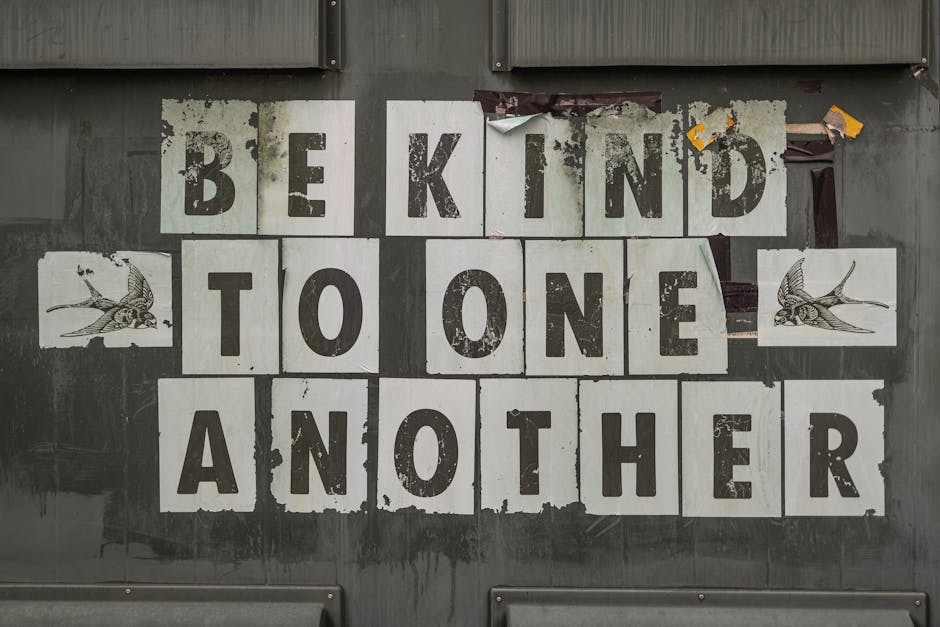
Creators are redefining influence by aligning commerce with conscience, reshaping remote and hybrid work dynamics. This shift impacts careers, education, and business innovation globally.

New York, USA — The influence economy is undergoing a recalibration as creators and digital entrepreneurs increasingly prioritize ethical values alongside commercial success. In 2025, platforms like Instagram, TikTok, and LinkedIn report a surge in content creators who emphasize transparency, sustainability, and social impact in their brand collaborations. This trend—dubbed "ethical influence"—is not just a niche but a growing movement reshaping how commerce operates in remote and hybrid work contexts.[1]
Research from the Pew Research Center shows that 68% of consumers aged 18-35 are more likely to engage with brands promoting social responsibility, and 54% of creators now factor ethical considerations into partnership decisions.[2] This alignment of commerce with conscience is fueling new career pathways, altering corporate marketing strategies, and influencing digital education programs focused on the creator economy.
Why Ethical Influence Matters Now
The rise of ethical influence coincides with broader shifts in work and consumption patterns following the pandemic. Remote and hybrid work models have empowered creators to build personal brands independent of traditional gatekeepers, while audiences demand authenticity and accountability. This momentum has created fertile ground for creators who reject purely transactional endorsements in favor of partnerships that reflect their values and those of their followers. For businesses, the stakes are high. According to a 2025 Nielsen report, brands that integrate ethical messaging into influencer campaigns see 30% higher engagement and 22% greater conversion rates compared to conventional campaigns.[3] As companies compete for consumer loyalty in a crowded digital marketplace, ethical influence has become a strategic imperative rather than a marketing add-on.

 Career Development
Establishing Boundaries in the Age of Digital Memory
As digital memory becomes ubiquitous, establishing boundaries is crucial for privacy and mental health. Explore why this matters now.
Read More →Aisha Khan, a social media ethics researcher at the University of Toronto, emphasize the need for measurable accountability frameworks to ensure that ethical claims translate into genuine impact rather than superficial branding exercises.
Context and Background: The Evolution of Influence
Influencer marketing exploded over the last decade, initially driven by celebrities and lifestyle bloggers. However, the formula often prioritized reach over responsibility, leading to skepticism about authenticity and the impact of endorsements. The backlash against greenwashing and misleading claims has pushed creators and brands toward more transparent, value-driven collaborations. The remote work revolution accelerated this transformation. Freed from geographic constraints, creators worldwide—from Mumbai to Mexico City—can engage global audiences with tailored, socially conscious content. Platforms are responding with new tools and policies to support ethical partnerships, such as Instagram’s branded content ads transparency feature and TikTok’s creator fund emphasizing community guidelines aligned with social good.
Multiple Perspectives on Ethical Influence
Industry experts highlight that ethical influence benefits creators by fostering long-term audience trust. "Audiences today are savvy; they can detect when a creator’s values don’t match their endorsements," says Sarah Marshall, director of Digital Strategy at Edelman, a global communications firm. "Creators who build their brand on authenticity and social impact can command higher engagement and better revenue streams." Meanwhile, brands are recalibrating their influencer strategies to focus on micro-influencers with strong ethical platforms rather than traditional celebrities whose values may be unclear. However, some caution against idealizing ethical influence as a simple solution. Critics argue that the pressure to align with social causes can lead to performative activism or dilute complex social issues into marketing slogans. Scholars like Dr. Aisha Khan, a social media ethics researcher at the University of Toronto, emphasize the need for measurable accountability frameworks to ensure that ethical claims translate into genuine impact rather than superficial branding exercises.

 Business
Redesigning Capitalism for Climate Sustainability
As climate concerns rise, businesses are embracing green capitalism. This article delves into innovative strategies driving sustainable profit.
Read More →Impact on Careers, Education, and Corporate Innovation
The ethical influence trend is creating new career opportunities and skill demands. Digital marketing programs at institutions like NYU and the London School of Economics have introduced courses on ethical branding and creator entrepreneurship. These programs teach emerging creators to navigate partnership negotiations with an emphasis on alignment of values and legal transparency. Moreover, corporations are investing in internal teams dedicated to ethical marketing and sustainable brand partnerships. Companies such as Unilever and Patagonia have publicly committed to influencer collaborations that promote environmental stewardship and social justice. This pivot signals a broader integration of ethical influence into corporate innovation and talent management strategies.
The Future of Ethical Influence in a Hybrid World
Looking ahead, the trajectory of ethical influence will likely intertwine with evolving work models and digital economies. As hybrid work blurs boundaries between personal and professional identities, creators will continue to shape how commerce reflects societal values. Emerging technologies like blockchain may offer new ways to verify ethical claims and enhance transparency in brand partnerships. For professionals and educators, the rise of ethical influence underscores the importance of cultivating skills in digital literacy, social responsibility, and strategic communication. Policymakers may also need to consider regulations that protect consumers from misleading endorsements while encouraging genuine social impact. Ultimately, the rise of ethical influence heralds a new chapter in the creator economy—one where commerce does not stand apart from conscience but advances it, offering a model for sustainable careers and innovative business practices in the digital age.