No products in the cart.

The Unseen Consequences of Light Pollution on Health

Light pollution is more than an aesthetic concern; it poses real health risks and ecological challenges. Discover its hidden impacts.

Los Angeles, USA — Light pollution is not just a nuisance for stargazers; it poses significant threats to human health and ecosystems. A growing body of research indicates that excessive artificial light disrupts sleep patterns, contributes to chronic health conditions, and disturbs wildlife. As urban areas expand, understanding-gen-zs-sensitivity/” class=”ca-internal-link”>understanding these impacts becomes crucial for public health and environmental policy.
Recent studies have linked light pollution to a range of health issues, including obesity, depression, and even cancer. The World Health Organization has classified night shift work as a probable carcinogen, largely due to its interference with circadian rhythms, which are regulated by natural light. With urbanization on the rise, the implications of light pollution are becoming increasingly urgent.
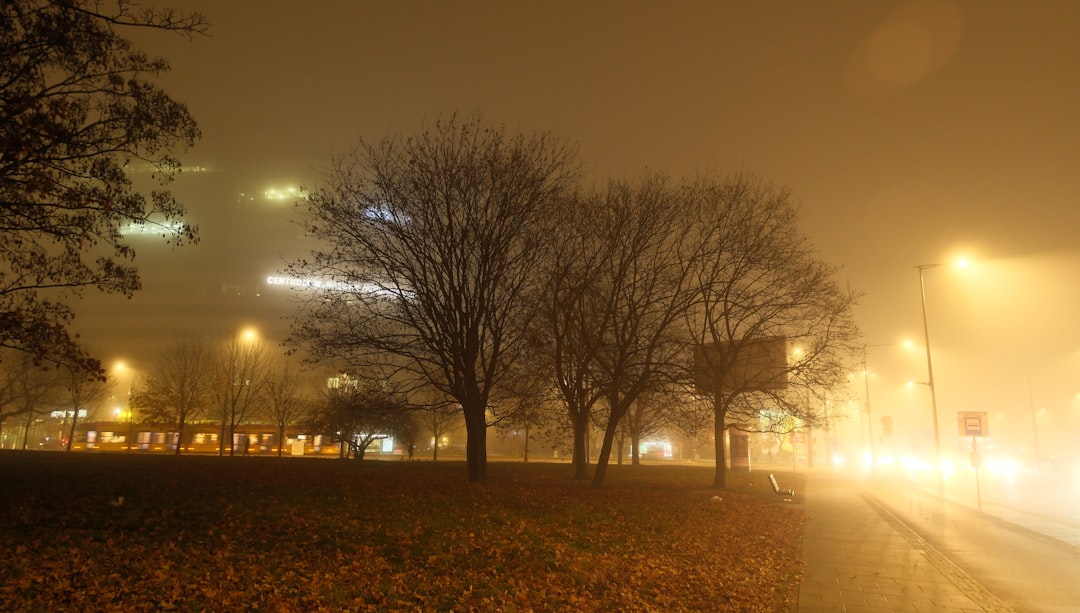
Light pollution arises from various sources, including streetlights, billboards, and residential lighting. According to the National Oceanic and Atmospheric Administration (NOAA), over 80% of the U.S. population lives under light-polluted skies, obscuring our view of celestial bodies and disrupting natural ecosystems. This disruption can lead to adverse effects on wildlife, particularly nocturnal species that rely on darkness for hunting and mating.
 AI
AIAI’s Punchline: The Future of Comedy in a Digital Age
As AI joke generators emerge, we explore their impact on comedy writing and the future of humor.
Read More →The ecological ramifications are profound. A study published in the journal Nature Ecology & Evolution found that artificial light at night can alter the behavior of insects, birds, and mammals, leading to shifts in predator-prey dynamics and overall biodiversity loss. For example, migratory birds may become disoriented by bright city lights, leading to fatal collisions with buildings. Similarly, sea turtles are known to hatch towards the brightest horizon, which is often distorted by coastal development.
This recommendation has sparked discussions among healthcare professionals about the need for policy changes that prioritize healthier lighting solutions in urban planning.
From a healthcare perspective, the implications of light pollution extend beyond ecological concerns. A report from the American Medical Association (AMA) highlights the potential health risks associated with exposure to artificial light at night. The AMA recommends reducing blue light exposure, particularly in the evening, to mitigate sleep disturbances and promote better health outcomes. This recommendation has sparked discussions among healthcare professionals about the need for policy changes that prioritize healthier lighting solutions in urban planning.
Experts argue that addressing light pollution requires a multi-faceted approach. Urban planners and architects are encouraged to incorporate designs that minimize light spill and use technologies that reduce glare. For instance, installing shielded outdoor lighting can significantly decrease light pollution while maintaining safety and visibility. Cities like Paris and San Diego have begun implementing such measures, demonstrating that effective solutions exist.
Moreover, public awareness campaigns can play a pivotal role in changing behaviors. Educating communities about the health risks associated with light pollution can encourage individuals to adopt practices that reduce their contribution to the problem. Simple actions, such as turning off unnecessary lights and using lower-intensity bulbs, can collectively make a difference.
 Career Trends
UAE’s Gen Z Embrace ‘Mini Retirements’: A New Work-Life Balance Trend
UAE's affluent Gen Z are pioneering 'mini retirements' to reset their work-life balance. Explore how this trend is influencing global…
Read More →Looking ahead, the relationship between light pollution and health is poised to gain even more attention. As urban areas continue to grow, the demand for sustainable lighting solutions will increase. Innovations in smart lighting technology, such as sensors that adjust brightness based on the time of day and occupancy, could revolutionize how cities illuminate their streets while minimizing health risks.
Furthermore, the intersection of light pollution and mental health is an area ripe for exploration. Researchers are beginning to investigate how exposure to artificial light influences mood and cognitive function. As mental health becomes a more prominent focus in public health discussions, understanding the role of environmental factors like light pollution will be essential.
Cities like Paris and San Diego have begun implementing such measures, demonstrating that effective solutions exist.
In conclusion, the hidden impacts of light pollution extend far beyond the night sky. They encompass critical health and ecological concerns that demand immediate attention. As we advance into an increasingly illuminated future, prioritizing sustainable lighting practices will be vital for safeguarding both human health and the environment.