No products in the cart.

Transforming Research into Effective Policy: A Guide for Scientists
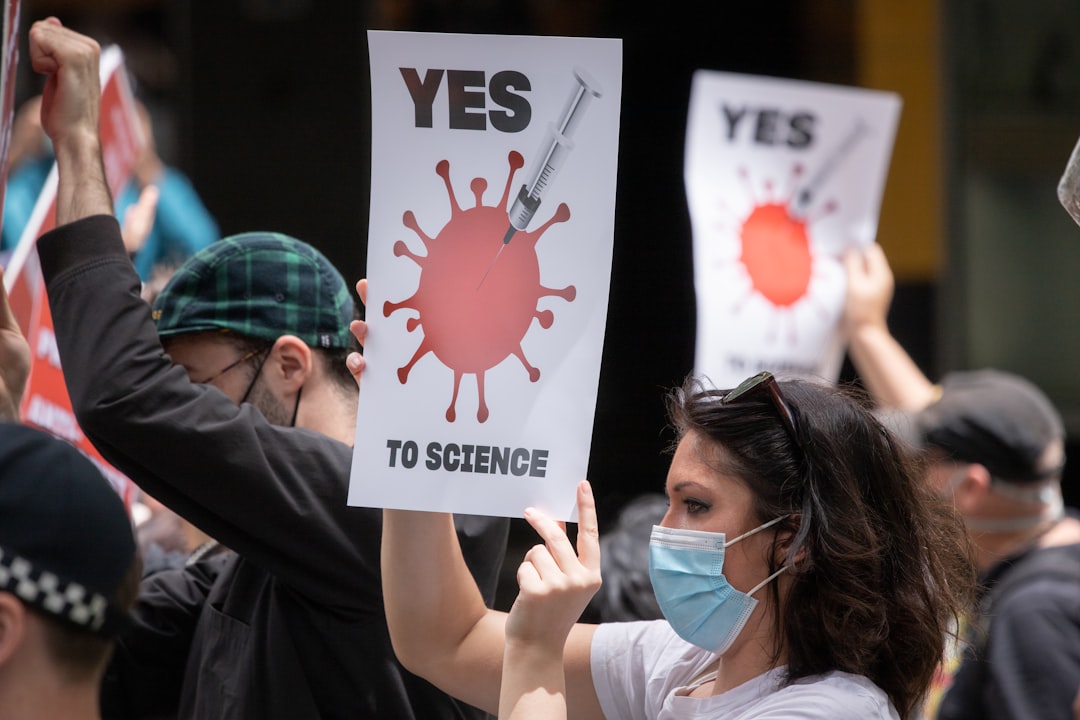
Scientists can play a crucial role in shaping policy by effectively communicating their research. Discover strategies to bridge the gap.

Washington, D.C. — In an era where scientific research is more critical than ever, the challenge of translating complex findings into actionable public policy remains daunting. Scientists are not just researchers; they are pivotal players in shaping societal outcomes through informed policy decisions. However, many struggle to communicate their findings effectively to policymakers and the public.
The importance of this communication cannot be overstated. As global issues like climate change, public health crises, and technological advancements emerge, the need for data-driven policy becomes paramount. The ability of scientists to convey their research in a way that resonates with decision-makers can determine the effectiveness of policies that impact millions. For instance, the COVID-19 pandemic underscored the significance of timely and clear scientific communication in public health policy.
Context and Background
In recent years, various initiatives have emerged to enhance the interaction between scientists and policymakers. Organizations like the American Association for the Advancement of Science (AAAS) and the National Academy of Sciences (NAS) have developed programs aimed at training scientists in communication and advocacy. These programs help researchers understand the legislative process, refine their messaging, and engage with stakeholders effectively.
 Career Advice
Reviving Your Career: Strategies to Overcome Stagnation
Facing a career slump? Explore effective strategies like micro-goals and reframing techniques to regain your motivation and momentum.
Read More →Moreover, the rise of social media has transformed how research is disseminated. Platforms like Twitter and LinkedIn offer scientists an immediate channel to share their findings and engage with a broader audience. According to a 2022 survey by the Pew Research Center, 53% of scientists reported using social media to communicate their work, up from 42% in 2018. This trend reflects a growing recognition of the need for scientists to become advocates for their research.
According to a 2022 survey by the Pew Research Center, 53% of scientists reported using social media to communicate their work, up from 42% in 2018.
However, challenges remain. A 2023 report from the National Academies of Sciences indicates that 70% of scientists believe they lack the training needed to communicate effectively with non-expert audiences. This gap highlights the need for targeted educational programs that equip researchers with the skills necessary to navigate the policy landscape.
Analysis from Multiple Perspectives
Experts stress that effective communication goes beyond simply presenting data. Dr. Jennifer Smith, a policy advisor at the National Institutes of Health, emphasizes the importance of storytelling in science communication. “Data is essential, but it’s the narrative that captures attention and drives action,” she says. By framing their research within compelling narratives, scientists can enhance the emotional resonance of their findings, making them more relatable to policymakers and the public alike.
 Career Options
Career Options on the Royal Caribbean Cruise
Career Ahead Royal Caribbean Group is a leading cruise vacation company that operates a global fleet of 60 ships, traveling…
Read More →
Additionally, collaboration between scientists and policy experts is vital. Dr. Mark Thompson, a former congressional aide, notes that “policymakers appreciate when scientists come prepared with actionable recommendations.” This means not only presenting research but also outlining specific policy implications and potential solutions based on the findings. By providing ready-to-implement recommendations, scientists can position themselves as valuable resources for lawmakers.
Furthermore, engaging with the media can amplify a scientist’s reach. Media outlets play a crucial role in translating complex research into digestible content for the public. Dr. Emily Johnson, a science journalist, advises scientists to seek opportunities for interviews and op-eds. “The media serves as a bridge between researchers and the public. By working with journalists, scientists can ensure their voices are heard,” she explains.
Experts stress that effective communication goes beyond simply presenting data.

Looking Ahead
The future of science communication and policy influence is promising, yet it requires ongoing commitment from both researchers and institutions. As the landscape evolves, scientists must adapt their strategies to engage effectively with policymakers. This includes harnessing emerging technologies, such as artificial intelligence and data visualization tools, to present findings in innovative ways.
 Business
AI Consulting Market Surges as 70% of Firms Accelerate Integration Across Key Industries
The AI consulting and support services market is booming with 70% of businesses fast-tracking AI integration across healthcare, finance, retail,…
Read More →Moreover, educational institutions can play a crucial role in fostering a culture of advocacy among scientists. Integrating communication training into STEM curricula can empower the next generation of researchers to approach policy engagement with confidence and skill. As we move forward, the question remains: How can the scientific community best equip itself to ensure that its critical insights shape the policies of tomorrow?