No products in the cart.

Trump’s Rollback of Greenhouse Gas Regulations: What It Means for Climate Policy
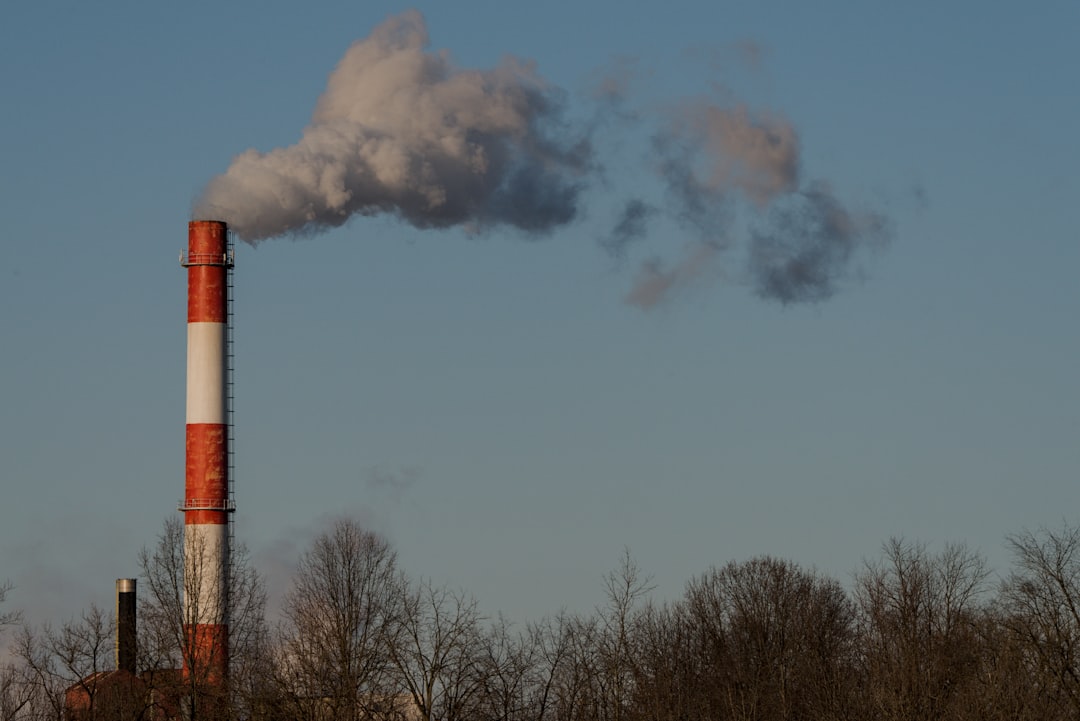
Trump's recent decision to eliminate greenhouse gas regulations raises significant concerns about climate policy. This analysis delves into the implications for the future of environmental regulation in the U.S.

Washington, D.C. — In a decisive move, the Trump administration has eliminated the landmark greenhouse gas regulations that have shaped U.S. climate policy for nearly two decades. This rollback centers on the “endangerment finding,” a critical determination made by the Environmental Protection Agency (EPA) in 2009 that identified greenhouse gases as a threat to public health and the environment. By revoking this finding, the administration effectively dismantles the foundation for federal regulations aimed at limiting emissions under the Clean Air Act.
The implications of this decision are profound. With the endangerment finding now overturned, the EPA has the legal leeway to revoke existing emissions standards, particularly those affecting the automotive industry. This shift not only poses risks to public health but also undermines the efforts made by states and local governments to combat climate change. The urgency of addressing greenhouse gas emissions has never been more critical, especially in light of recent climate reports warning of dire consequences if emissions continue unchecked.
According to The Verge, the Trump administration’s action is part of a broader strategy to roll back Obama-era environmental regulations. This includes significant cuts to vehicle emissions standards, which were designed to reduce air pollution and promote cleaner technologies. With the current administration prioritizing economic growth over environmental protection, the future of U.S. climate policy hangs in the balance.
Why the Endangerment Finding Matters
The endangerment finding is not just a bureaucratic detail; it is a pivotal aspect of U.S. environmental law. By classifying greenhouse gases as a danger, it enabled the EPA to implement various regulations to limit emissions from vehicles, power plants, and industrial sources. The rollback of this finding means that the EPA can no longer enforce these critical regulations, potentially leading to increased emissions and worsening air quality across the country.
 Business
E-Bike Company CEO’s Bankruptcy: A Bet on Trump’s Tariff Policy
The CEO of an e-bike company is filing for bankruptcy after relying on Trump's tariff policy. This situation raises questions…
Read More →States like California, which have historically taken a more aggressive stance on emissions reduction, may now face legal challenges in their efforts to maintain stricter standards. The CBS News reports that California and several environmental groups plan to sue the Trump administration over this repeal, arguing that it undermines public health and safety.
The rollback of this finding means that the EPA can no longer enforce these critical regulations, potentially leading to increased emissions and worsening air quality across the country.
This legal battle underscores the tension between federal and state regulations in the realm of climate policy. As states push back against federal rollbacks, the question remains: how will these legal challenges shape the future of environmental regulation in the U.S.?
The Impact on Your Career in Environmental Policy
The rollback of greenhouse gas regulations will have significant implications for professionals in environmental policy and related fields. For entry-level workers, the landscape may become more competitive as fewer regulations could lead to a reduction in the number of jobs focused on compliance and enforcement. Conversely, mid-career professionals may find opportunities in advocacy and legal sectors, as organizations seek to challenge the federal government’s decisions in court.
Moreover, the shift in policy may lead to increased demand for skills related to renewable energy and sustainable practices. As companies pivot to meet consumer demand for cleaner options, professionals with expertise in these areas will be well-positioned for growth. The potential for innovation in green technologies could also create new job opportunities in research and development.
However, the uncertainty surrounding federal regulations may also hinder investment in clean energy projects. According to The Independent reports that many investors are now reconsidering their commitments to green projects due to the volatile regulatory environment. This could slow down the transition to a low-carbon economy, impacting job growth in the sector.
 Career Advice
Fed’s Beige Book Indicates Economic Growth Amid Steady Employment
The Federal Reserve's Beige Book reports a slight economic pickup with stable employment, suggesting opportunities for job seekers and businesses…
Read More →
Steps to Position Yourself in a Changing Job Market
As the landscape of environmental policy shifts, it’s essential to adapt your career strategy. Here are some actionable steps to consider:
As companies pivot to meet consumer demand for cleaner options, professionals with expertise in these areas will be well-positioned for growth.
- Develop expertise in renewable energy: Focus on gaining skills related to solar, wind, and other renewable technologies. Online courses and certifications can enhance your qualifications.
- Engage in advocacy: Get involved with environmental organizations that focus on policy change. This will help you build a network and gain experience in the field.
- Stay informed on regulatory changes: Follow news outlets and research organizations to keep up-to-date with shifts in environmental policy. Understanding the implications of these changes will be crucial for your career.
However, experts warn that this trend may not be sustainable. A recent study by the Union of Concerned Scientists suggests that undermining established regulations could lead to long-term environmental damage, which may eventually require even more stringent regulations in the future. This could create a cycle of regulatory whiplash, making it difficult for businesses to plan effectively.
The Future of Climate Policy in the U.S.
Looking ahead, the future of climate policy in the U.S. remains uncertain. As states challenge federal rollbacks, the potential for a patchwork of regulations could emerge, where some regions enforce stricter standards than others. This could create complications for businesses operating across state lines.
Additionally, the ongoing public discourse about climate change is likely to influence future elections and policy decisions. With a growing number of citizens concerned about environmental issues, there may be pressure on lawmakers to reconsider the rollback of greenhouse gas regulations.
 Artificial Intelligence
The AI Battlefront: Job Seekers vs Employers
AI is changing the job landscape, impacting how seekers and employers connect. Discover the implications for your career.
Read More →As you navigate your career in this evolving landscape, consider how you can contribute to the dialogue on climate policy. What role will you play in shaping the future of environmental regulation?