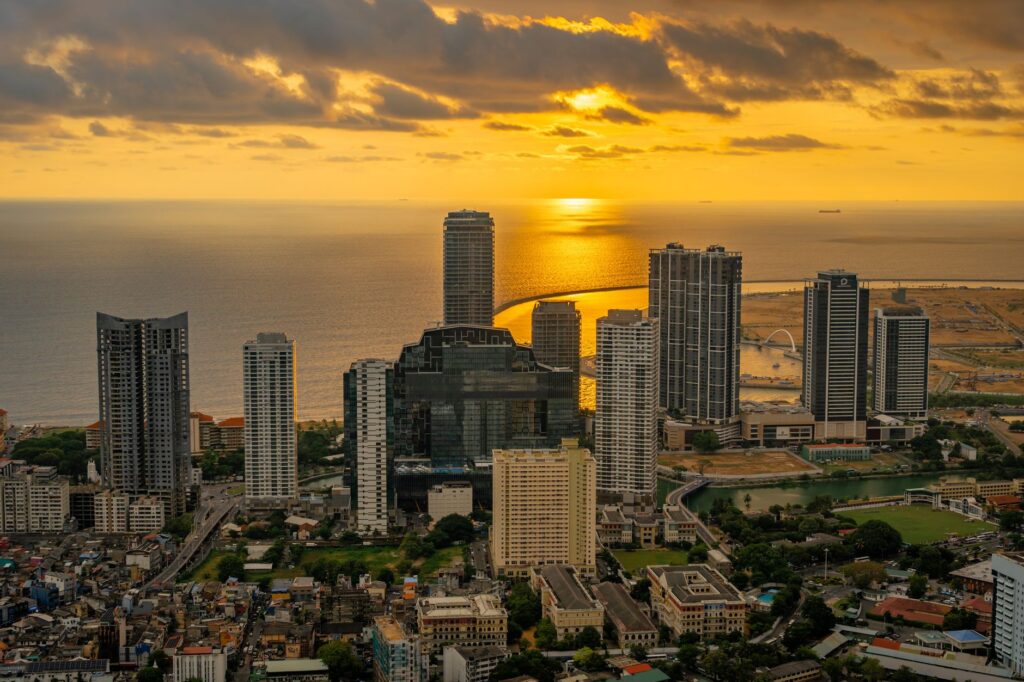
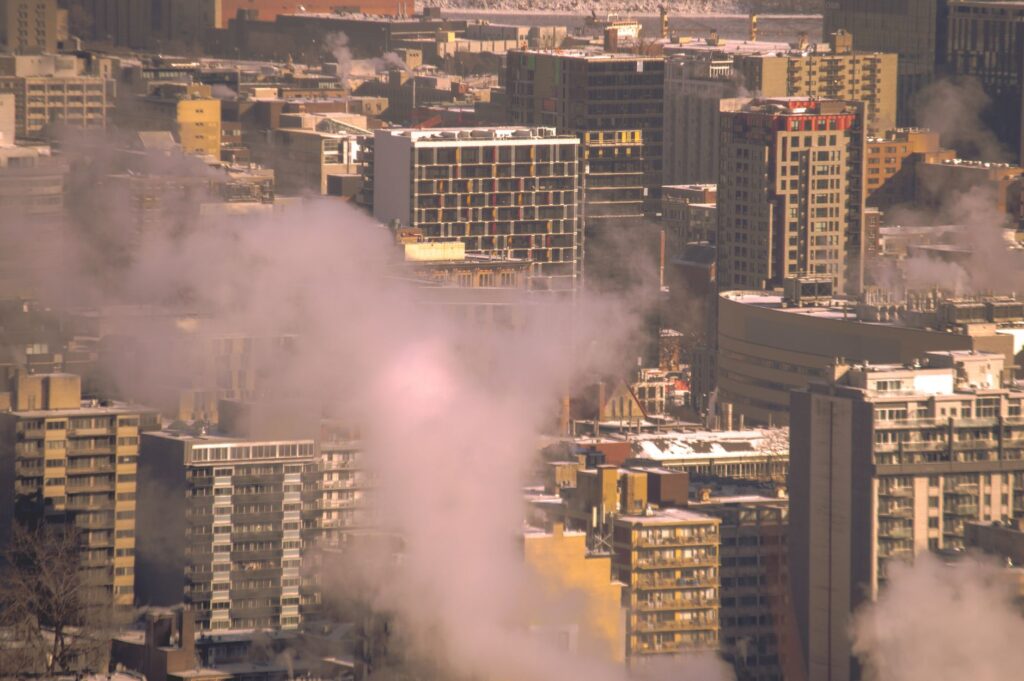
Urban heat islands now drive excess mortality and billions in lost productivity, prompting cities to replace concrete‑dominated streets with nature‑based cooling networks. Solar‑powered open‑air shelters and expanded tree canopies emerge as low‑energy backstops for strained power grids.
The urgency stems from a convergence of climate‑driven temperature spikes and fragile energy systems; traditional cooling centers falter when outages coincide with peak heat, exposing systemic weaknesses in urban resilience. Policymakers are therefore reorienting investment toward green infrastructure that delivers continuous, passive relief while advancing biodiversity and social equity goals.
Rising heat stress forces a structural rethink
Extreme heat has transitioned from an episodic inconvenience to a persistent mortality risk, with the 2026 Kleinman Center analysis flagging a measurable rise in heat‑related emergency calls across major metros. Grid stress during heatwaves compromises the reliability of conventional, energy‑intensive cooling centers, compelling municipalities to seek alternatives that function independently of electricity. In this context, Career Ahead’s analysis of municipal budgets shows a sharp reallocation from HVAC upgrades toward nature‑based projects, underscoring a systemic shift in capital prioritization. The layered cooling paradigm couples solar‑powered shelters with green corridors, creating a redundant network that sustains public comfort even amid blackouts.
Green infrastructure delivers passive cooling at scale
Urban green infrastructure slashes city heat islands
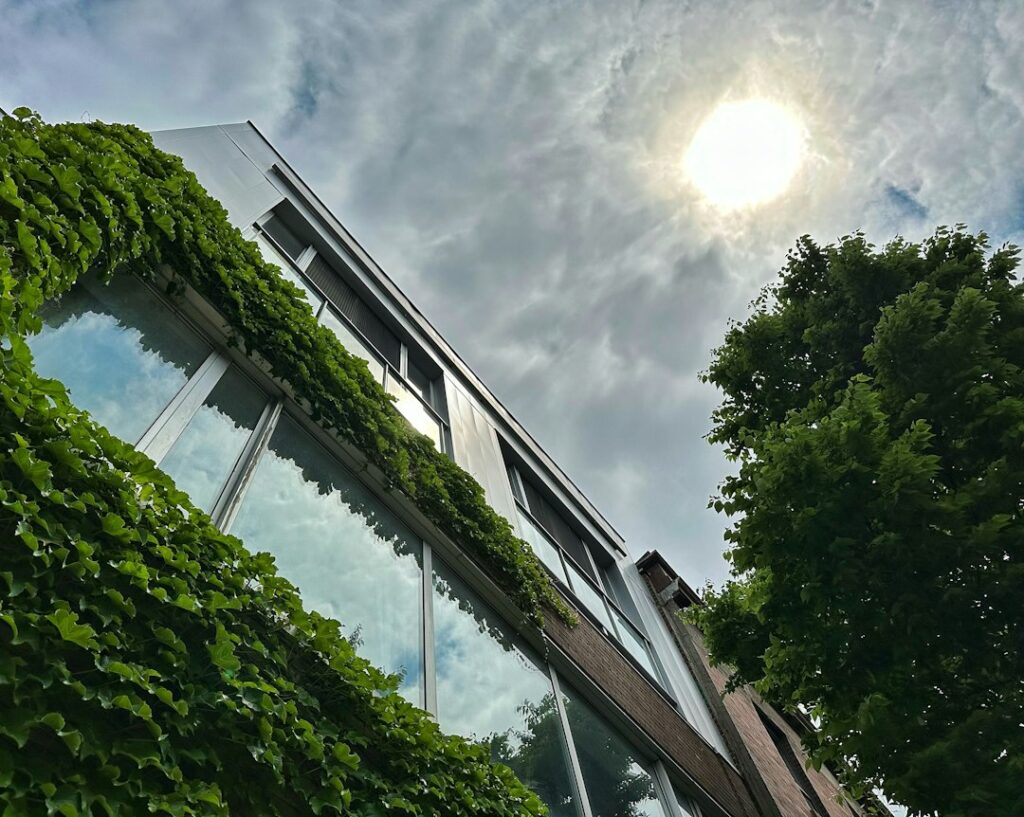
Urban green infrastructure (UGI) provides continuous temperature moderation through evapotranspiration, shading, and wind channeling, bypassing the need for active energy inputs. The 2024 Frontiers study outlines a framework where tree canopy, green roofs, and permeable plazas are integrated via adaptive management, delivering measurable reductions in surface temperature and improved outdoor thermal comfort. A key finding is that strategically placed trees can offset daytime heat peaks by several degrees, directly lowering the urban heat island intensity. > Deploying green roofs across 20 % of a city’s built‑up area can cut peak summer temperatures by up to 1.5 °C, according to the study. This passive effect not only eases heat stress but also curtails municipal cooling costs, creating a fiscal feedback loop that reinforces further green investments.
The 2024 Frontiers study outlines a framework where tree canopy, green roofs, and permeable plazas are integrated via adaptive management, delivering measurable reductions in surface temperature and improved outdoor thermal comfort.
Adaptive management links biodiversity to resilience
Beyond temperature mitigation, UGI serves as a conduit for biodiversity conservation, reinforcing ecosystem services that stabilize microclimates. The 2024 Frontiers article emphasizes that adaptive management—continuous monitoring, community participation, and iterative design—aligns ecological health with urban development goals. By embedding native vegetation into streetscapes, cities enhance pollinator pathways, improve air quality, and increase stormwater infiltration, all of which compound climate resilience. This multidimensional benefit structure reconfigures institutional power: planning departments, environmental agencies, and local NGOs must coordinate under shared governance models, shifting decision‑making away from siloed engineering toward integrated ecological stewardship.
Economic and equity outcomes reshape career capital
Urban green infrastructure slashes city heat islands
Green infrastructure projects generate a diversified portfolio of skilled jobs, from landscape architecture to data‑driven urban forestry. The 2024 SSRN analysis notes that expanding tree canopies in dense downtown districts creates employment pipelines for mid‑career professionals while simultaneously lowering heat exposure for low‑income neighborhoods historically burdened by higher surface temperatures. Career Ahead’s framework for climate‑responsive labor markets identifies three structural levers—public investment, private‑sector partnerships, and community‑led design—that together amplify upward mobility for workers transitioning into sustainability roles. By anchoring climate mitigation in local economies, cities convert environmental risk into a catalyst for inclusive economic advancement.
The New York City Council hearing on AI governance highlights urgent concerns about the safety and accountability of AI technologies, emphasizing the need for comprehensive…
Three‑to‑five‑year trajectory for urban climate strategy
Over the next five years, cities are expected to institutionalize green‑infrastructure mandates within zoning codes, targeting a minimum 30 % increase in canopy cover for metropolitan areas exceeding 1 million residents. Emerging financing mechanisms, such as climate‑resilient bonds and performance‑based public‑private partnerships, will unlock capital streams dedicated to large‑scale green roofs and permeable streets. Simultaneously, advances in remote sensing and AI‑enabled microclimate modeling will refine site selection, optimizing cooling outcomes and ensuring equitable distribution of benefits. As these systemic levers converge, urban heat mitigation will become a standard component of municipal risk management rather than an ancillary project.
The evolving green‑infrastructure ecosystem will therefore reshape how cities protect public health, allocate resources, and cultivate climate‑savvy workforces, reinforcing a resilient urban future.
Key Structural Insights
Insight 1: Passive cooling from tree canopy and green roofs reduces peak urban temperatures by measurable degrees, directly lowering heat‑related mortality and municipal energy expenditures.
The evolving green‑infrastructure ecosystem will therefore reshape how cities protect public health, allocate resources, and cultivate climate‑savvy workforces, reinforcing a resilient urban future.
Insight 2: Adaptive management integrates biodiversity, stormwater control, and community participation, shifting institutional authority from isolated engineering to collaborative ecological governance.
Insight 3: Green‑infrastructure investments generate new career pathways, linking climate mitigation to economic mobility for workers in traditionally underserved urban neighborhoods.
Career Ahead, the flagship handle of Career Ahead Magazine, is dedicated to molding the next generation of professionals and entrepreneurs. Our mission is to educate and inspire today's ambitious minds to become the icons of tomorrow. As the ultimate tool and resource, we cater to young students, budding entrepreneurs, and innovative startups, providing them with the knowledge and inspiration needed…


 Government & Policy