No products in the cart.

US Power Shortage: How Small Modular Nuclear Reactors Could Fill the Gap

This article examines the role of small modular nuclear reactors in addressing the US power shortage and their implications for the energy sector.

Washington, D.C. — The United States is facing a significant power shortage that threatens the stability of its energy grid. As demand for electricity surges, particularly from data centers and electric vehicles, traditional power sources are struggling to keep up. Amid this crisis, small modular nuclear reactors (SMRs) have emerged as a promising solution. These compact, scalable units could provide the necessary power while addressing concerns about safety and environmental impact.
According to the U.S. Energy Information Administration, electricity demand is expected to increase by nearly 20% by 2030. This surge is driven by the growing reliance on technology and electrification of transportation. The recent report by Bloomberg highlights that while renewable energy sources like solar and wind are expanding, they alone cannot meet the projected demand. This gap has led experts to advocate for the integration of SMRs into the national energy strategy.
SMRs offer several advantages over traditional nuclear power plants. They are designed to be built in factories and transported to sites, which can significantly reduce construction costs and time. Additionally, their smaller size allows for installation in locations that may not support larger plants, thereby increasing energy accessibility. With the U.S. aiming to reduce carbon emissions, SMRs present a viable option for clean energy generation.
Why Small Modular Reactors Are Gaining Attention
 News
NewsThe Business of Climate Adaptation: Building Resilience in Infrastructure
Discover how companies are adapting to climate change through innovative infrastructure solutions, ensuring resilience and sustainability in their operations.
Read More →Small modular reactors are gaining traction for their potential to provide safe, reliable, and low-carbon energy. Unlike conventional nuclear reactors, which require large amounts of water for cooling and extensive safety measures, SMRs are designed with enhanced safety features that minimize risks. These reactors can operate more efficiently and have a smaller environmental footprint.
The Department of Energy has allocated funding for research and development, recognizing the need for innovative solutions to the energy crisis.
Moreover, the U.S. government is actively supporting the development of SMRs. The Department of Energy has allocated funding for research and development, recognizing the need for innovative solutions to the energy crisis. Several companies, including NuScale Power and TerraPower, are leading the charge in SMR technology, with projects already in the pipeline. This governmental and corporate backing positions SMRs as a key player in the future of U.S. energy.
As the energy landscape evolves, the integration of SMRs could also lead to job creation in the nuclear sector. According to a report from Goldman Sachs, the power industry may require over 750,000 new workers by 2030 to meet the growing demand. This presents an opportunity for skilled workers in engineering, construction, and operations. Training programs and educational initiatives will be essential to prepare the workforce for these roles.
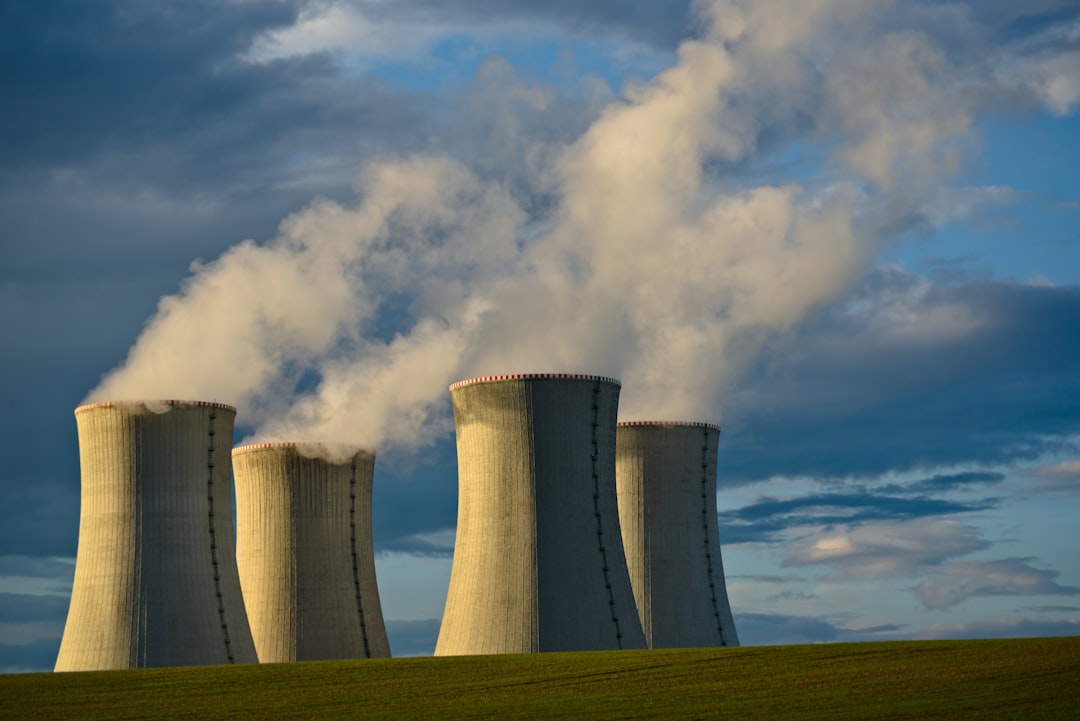
How Small Modular Reactors Impact Your career opportunities
The rise of small modular reactors is not just a technical advancement; it has significant implications for your career in the energy sector. If you are considering a career in engineering, project management, or renewable energy, understanding SMRs will be crucial. Here’s how you can position yourself effectively:
 Child Development
Public Consultation on Trilingual Language Policy in India
A trilingual policy committee in India is calling for public input to shape its language framework, emphasizing the importance of…
Read More →- Gain relevant education: Pursue degrees in nuclear engineering, environmental science, or renewable energy technologies. Institutions are increasingly offering specialized programs focusing on nuclear technology and its applications.
- Seek internships: Look for internships with companies involved in SMR development, such as NuScale Power and TerraPower. Hands-on experience will provide you with insights into the industry and enhance your employability.
- Stay informed: Follow industry news and trends related to nuclear energy and SMRs. Websites like the World Nuclear Association and the U.S. Nuclear Regulatory Commission provide valuable resources.
However, some experts caution against an over-reliance on nuclear solutions. Critics argue that while SMRs are a step forward, they may not be a panacea for the energy crisis. Concerns about nuclear waste disposal and the long-term sustainability of nuclear energy remain significant. As noted by environmental analysts, it is crucial to balance nuclear development with investments in renewable energy sources.
This presents an opportunity for skilled workers in engineering, construction, and operations.
The Future of Energy Production in the US
The future of energy production in the United States hinges on the successful integration of small modular reactors alongside renewable energy sources. As the nation grapples with the reality of an increasing power demand, the role of SMRs could become more prominent. With advancements in technology and regulatory support, SMRs may provide a bridge to a more sustainable energy future.

As you consider your career path in this evolving landscape, think about how you can contribute to this transition. What skills will be in demand? How can you prepare to be part of the solution in addressing the U.S. power shortage? The answers to these questions will shape your future in the energy sector.