No products in the cart.

We Should Teach Our Students How to Think, Not What to Believe: A Call from California
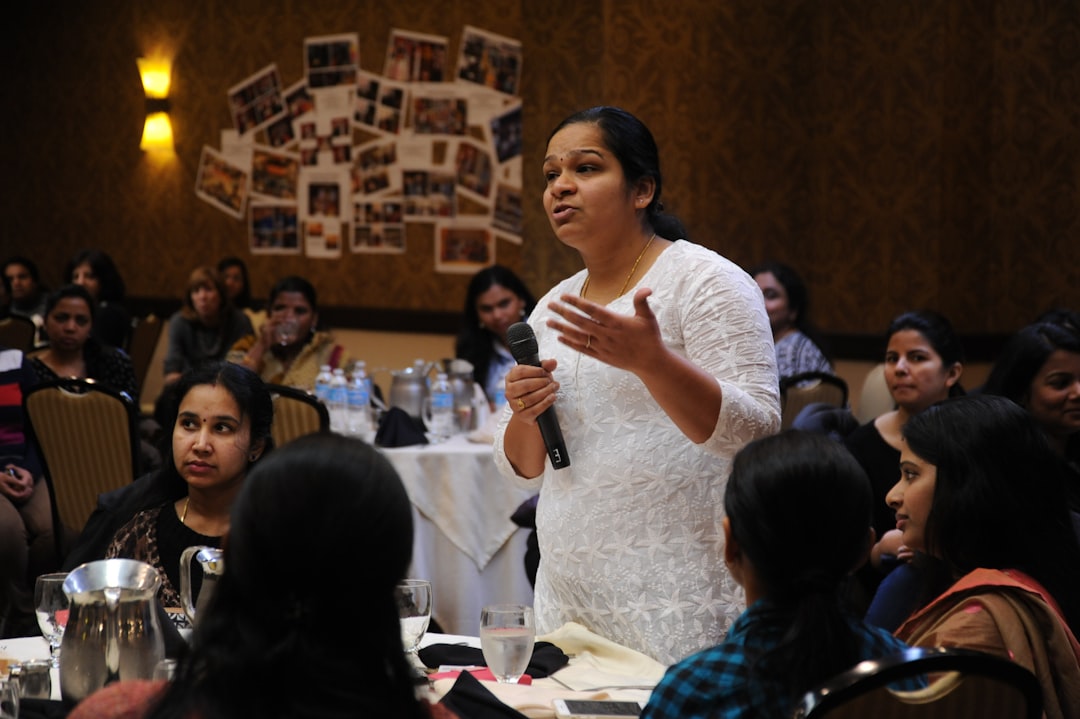
California educators are urging a shift towards teaching critical thinking in schools. This approach aims to empower students amidst rising political tensions.

Los Angeles, california — The ongoing conflict in Gaza has spilled into classrooms across California, igniting a fierce debate over how educators should approach politically charged topics. In this environment, educators are calling for a shift from teaching students what to believe to teaching them how to think critically. This fundamental change is not just an educational strategy; it is a necessity for fostering informed and engaged citizens.
The recent opinion piece in a prominent publication highlights the urgency of this issue. Teachers are facing increasing pressure to navigate political sensitivities while ensuring that students receive a balanced education. The need for critical thinking skills has never been more pressing, as students must learn to analyze information rather than accept it at face value.
As classrooms become battlegrounds for political ideologies, the role of educators is evolving. They are tasked with equipping students with the tools needed to discern facts from misinformation. This shift is particularly important in light of recent events, where students are exposed to conflicting narratives about global issues.
Why Critical Thinking Matters in education
Teaching students how to think critically is essential for several reasons. First, it empowers them to engage with diverse viewpoints. In a world where information is abundant but often misleading, students must learn to question sources and evaluate arguments critically. This skill is vital for their academic success and their ability to participate in democratic processes.
 Career Advice
Q&A with Ambassador Akhilesh Mishra (Indian Ambassador to Ireland)
In this Q&A session, Ambassador Akhilesh Mishra, an experienced career diplomat and India's Ambassador to Ireland, provides valuable insights into…
Read More →Why Critical Thinking Matters in education Teaching students how to think critically is essential for several reasons.
Second, critical thinking fosters resilience against indoctrination. By encouraging students to think for themselves, educators can help them develop their own beliefs based on reasoned analysis rather than blind acceptance. This is particularly crucial in today’s polarized environment, where young people may feel pressured to conform to prevailing ideologies.
Moreover, critical thinking prepares students for the workforce. Employers increasingly seek individuals who can analyze complex problems and propose innovative solutions. By instilling these skills in students, educators are not only enhancing their academic experience but also increasing their employability in a competitive job market.

In California, where the education system is often at the forefront of reform, the push for critical thinking is gaining traction. Schools are beginning to implement curricula that emphasize inquiry-based learning, encouraging students to ask questions and seek answers independently. This approach not only engages students but also cultivates a lifelong love of learning.
How Educators Can Foster Critical Thinking
To effectively teach critical thinking, educators can adopt several strategies:
 Banking & Finance
OCBC’s Q3 Performance: Stability Amid Challenges
OCBC's Q3 2025 profits hold steady at S$1.98 billion, exceeding forecasts and reflecting resilience in a challenging economic landscape.
Read More →- Encourage Open Dialogue: Create a classroom environment where students feel safe to express their thoughts and challenge each other’s ideas. This can be achieved through structured debates and discussions that explore various perspectives.
- Utilize Real-World Scenarios: Incorporate current events and real-world problems into lessons. By analyzing these situations, students can practice critical thinking in contexts that matter to them.
- Teach Research Skills: Equip students with the ability to conduct thorough research. This includes evaluating sources for credibility and bias, which is essential in today’s information-rich environment.
- Promote Reflective Thinking: Encourage students to reflect on their learning processes and outcomes. This can be done through journals or group discussions that allow them to consider how their thinking has evolved.
However, some educators express concerns about the feasibility of implementing such changes amid existing pressures. Critics argue that the current educational framework prioritizes standardized testing over critical thinking skills, making it difficult for teachers to adopt more innovative teaching methods. They warn that without systemic support, efforts to enhance critical thinking may fall short.
Critics argue that the current educational framework prioritizes standardized testing over critical thinking skills, making it difficult for teachers to adopt more innovative teaching methods.
The Future of Education in California
As California grapples with these challenges, the future of education may hinge on the ability of educators to adapt to changing political landscapes. If the push for critical thinking continues, we could see a generation of students who are not only more informed but also more engaged in civic life.

In the coming years, it will be crucial for educational policymakers to support initiatives that prioritize critical thinking. This may involve revising curricula, providing professional development for teachers, and fostering community partnerships that enhance learning opportunities.
Ultimately, the question remains: How can we ensure that future generations are equipped to navigate an increasingly complex world? The answer may lie in our commitment to teaching students not just what to believe, but how to think critically and independently.
 Aerospace & Defense
Aerospace & Defense Surge: RTX’s Q3 Performance and 2025 Outlook
RTX's Q3 results reflect a booming aerospace sector, with strong forecasts for 2025. Explore the implications for careers in this…
Read More →