No products in the cart.

Why Design Thinking Needs Philosophy: Integrating Ethics into Innovation
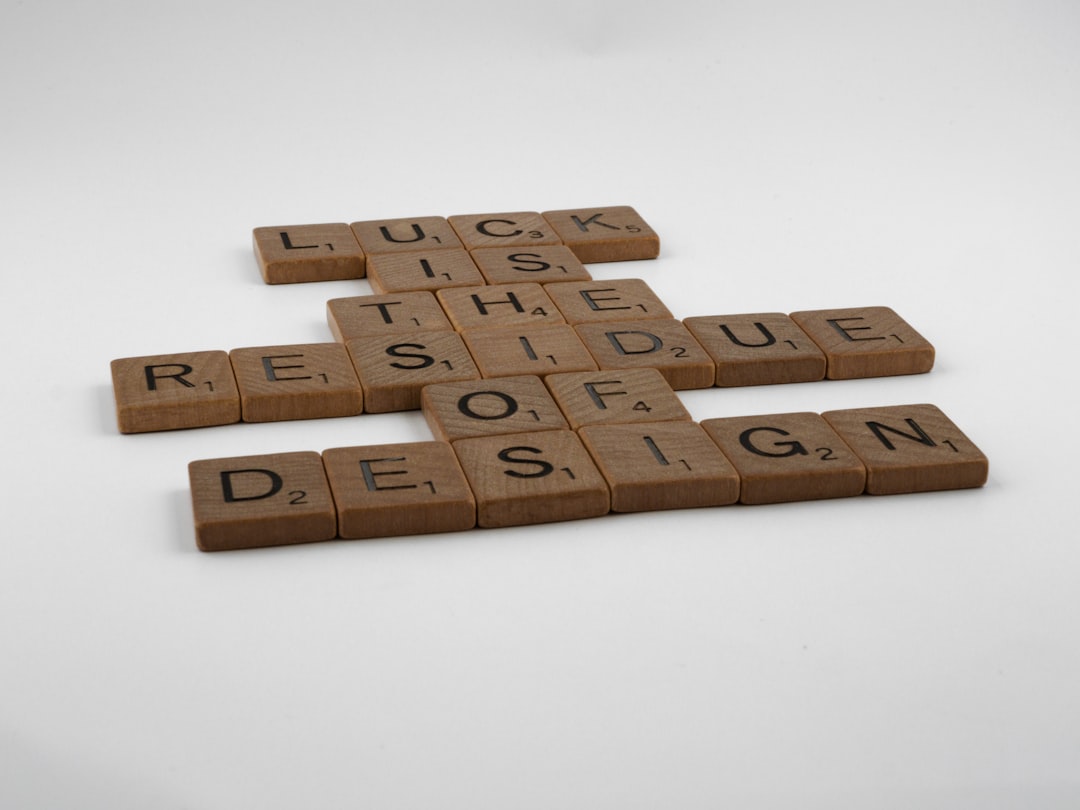
Amid rising ethical concerns in product innovation, integrating philosophy into design thinking is essential. This article explores why ethics matters now more than ever for creators and educators.

San Francisco, CA — As companies race to innovate, design thinking—a staple methodology for creating user-centric products—is facing a critical challenge: ethical blind spots. Leading voices in product management and academia now argue that philosophy, particularly ethics, must be embedded systematically within design thinking frameworks. This integration aims to prevent unintended social harms and align innovation with broader human values. The call for a philosophy-driven design thinking approach comes amid high-profile controversies surrounding AI bias, data privacy breaches, and unsustainable product lifecycles. Firms like IBM, Google, and Microsoft have publicly committed to ethical AI principles, but practical frameworks linking ethics to everyday design decisions remain sparse. Embedding ethics into the innovation process could redefine how companies manage risk and build trust in an era of rapid technological change.[1]
Why Ethics Matters in Design Thinking Today
Design thinking has long been praised for its creativity and user focus, but its rapid adoption in technology sectors has exposed gaps. Without ethical guidance, innovative products risk reinforcing bias, invading privacy, or contributing to environmental degradation. The 2023 AI Now Institute report highlights that over 70% of AI-based products deployed globally lacked formal ethical review during design phases.[2] This disconnect threatens not only consumer trust but also long-term business viability. Integrating philosophy into design thinking addresses these challenges by introducing critical reflection on values, consequences, and societal impact. Ethics encourages designers to ask foundational questions: Who benefits from this product? Who might it harm? How does it affect social equity? These inquiries move innovation beyond problem-solving to responsible problem-framing.

 News
NewsIndia to Focus on Startups During G20 Presidency
Career Ahead The G20 is an international forum consisting of a group of twenty countries and the European Union (EU).…
Read More →Philosophy’s Role in Shaping Ethical Innovation
Philosophy, especially applied ethics, offers tools that can transform design thinking into a more conscientious process. For instance, virtue ethics encourages creators to cultivate moral character traits like empathy and fairness, while consequentialism provides frameworks to weigh outcomes and trade-offs. Deontological principles stress duties and rights, reminding innovators of non-negotiable ethical boundaries. Academic programs are responding by blending philosophy with design curricula. Stanford University’s d.school has introduced modules on ethical reasoning, and MIT’s Media Lab launched an initiative to embed social justice into product prototyping. These efforts aim to equip future designers and managers with the ability to critically assess the implications of their work.[3]
These efforts aim to equip future designers and managers with the ability to critically assess the implications of their work.[3]
Corporate Implementation: Challenges and Progress
Large corporations are gradually integrating ethical frameworks into their product development cycles but face structural obstacles. Ethical review boards, common in biomedical research, are rare in tech innovation. Moreover, the fast-paced, competitive environment often prioritizes speed and market disruption over ethical deliberation. Google’s AI Principles, published in 2018, set a high standard by pledging to avoid creating or reinforcing unfair bias and to prioritize privacy and safety. Yet internal reports reveal tensions between these principles and business pressures, showing how ethics can be sidelined when profitability is at stake.[4] Similarly, IBM’s approach includes employing AI fairness toolkits and ethics officers, but scaling these practices across global teams remains complex.

 Career Inspiration
Q&A with Chef Manjunath Mural
Career Ahead Chef Manjunath Mural’s lifelong dream is to be able to present Indian cuisine in a manner that is…
Read More →Educational Shifts and the Future of Product Management
For product managers, integrating philosophical ethics into everyday decision-making is becoming a core competency. Organizations like the Product Development and Management Association (PDMA) are incorporating ethics into certification programs, recognizing that leadership today demands more than technical skill. Education providers are expanding beyond traditional design thinking to include modules on social responsibility, sustainability, and critical theory. This evolution reflects a broader trend where innovation is seen as inseparable from societal impact. The World Economic Forum’s 2025 Future of Jobs report projects that ethical reasoning will rank among the top skills by 2030, underscoring the importance of this shift.
Looking Ahead: Ethics as a Strategic Imperative
The integration of philosophy into design thinking is not merely an academic exercise—it is a strategic imperative for companies and educators alike. As regulatory scrutiny intensifies globally, from Europe’s AI Act to the U.S. Federal Trade Commission’s growing focus on digital fairness, ethical lapses can result in hefty fines, brand damage, or innovation dead-ends. For product leaders, embedding ethics early in the design process can mitigate risk and unlock new market opportunities by building trust and loyalty. For educators, it means preparing the next generation of innovators to navigate complexity with moral clarity. The future of innovation demands that creativity and conscience move forward together.