No products in the cart.

Youth Engagement: The Power of the Young Vote in Shaping Policy

Youth voter participation is reshaping global policies. Explore how their engagement influences reforms and governance.

Washington, D.C. — The youth vote is increasingly becoming a pivotal force in shaping global policy. In recent elections, young voters have demonstrated their ability to influence outcomes, driving significant reforms across various sectors. With participation rates rising, their impact on governance is more pronounced than ever.
understanding the dynamics of youth engagement in voting is crucial for policymakers and political strategists. As the demographic landscape shifts, the priorities of younger generations—such as climate action, social justice, and economic equity—are reshaping political agendas worldwide. This trend is not just a fleeting moment; it signifies a fundamental shift in how policies are crafted and implemented.
The 2020 U.S. presidential election saw a remarkable increase in youth turnout, with 50% of eligible voters aged 18-29 casting their ballots, compared to 39% in 2016, according to the U.S. Census Bureau. This surge was echoed in other countries as well, with young voters in the UK, Canada, and Australia showing similar enthusiasm. The implications of this trend extend beyond electoral outcomes; they reflect a growing awareness among young people of their power to effect change.
 Business
Ford Faces $19.5 Billion Loss Amid Electric Vehicle Shift
Ford's $19.5 billion loss reflects a major shift in its electric vehicle strategy. This change raises important questions for workers…
Read More →Historically, youth voter turnout has been lower than that of older demographics. However, recent movements, such as the global climate strikes and Black Lives Matter protests, have galvanized young people to engage politically. According to a report by the Institute for Democracy and Electoral Assistance, countries with higher youth engagement in elections tend to have more progressive policies on issues like climate change and social equity [1].
Platforms like TikTok and Instagram have become crucial tools for political campaigns, enabling candidates to reach younger audiences directly.
Moreover, the rise of social media has transformed how young voters mobilize and express their opinions. Platforms like TikTok and Instagram have become crucial tools for political campaigns, enabling candidates to reach younger audiences directly. A study by Pew Research Center found that 71% of young adults aged 18-29 use social media to engage with political content, highlighting its role in shaping political discourse [2].
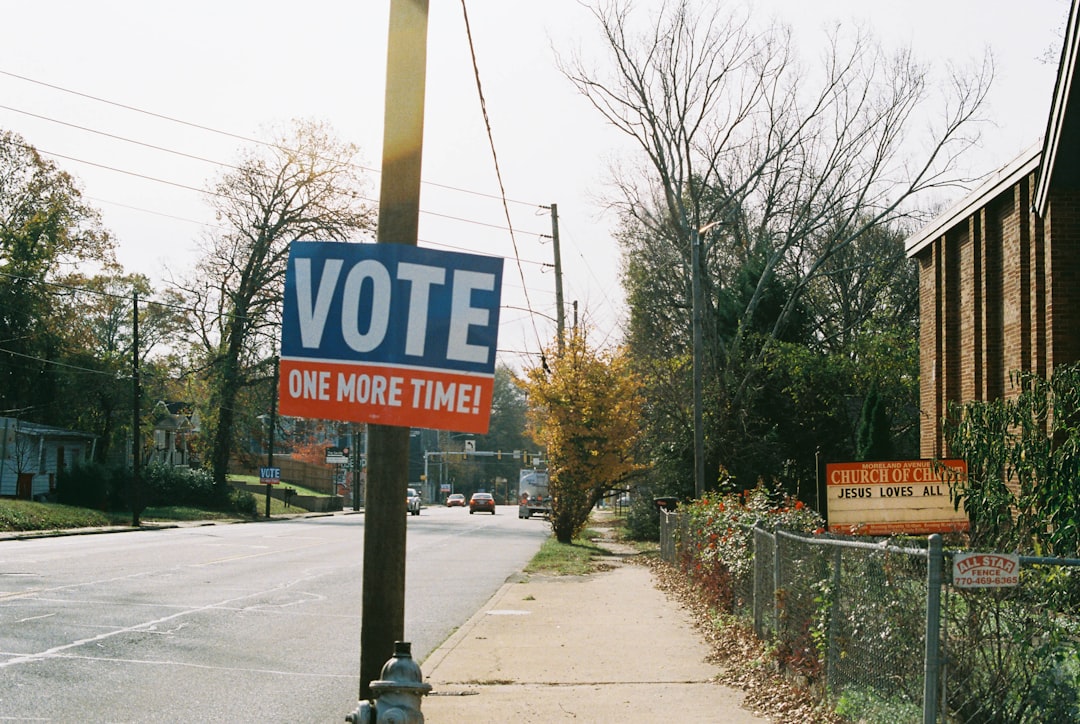
However, the challenge remains: how to sustain this engagement beyond elections. Experts argue that it is essential to create structures that encourage ongoing participation. Initiatives like youth councils and forums can provide platforms for young people to voice their concerns and influence policy decisions. Countries like Finland and New Zealand have implemented such measures, resulting in more inclusive governance [3].
 Business
Asahi’s CEO Focuses on Cybersecurity Amid Ongoing Disruptions
Asahi's CEO is prioritizing a new cybersecurity unit to combat ongoing disruptions. This move is crucial for professionals in the…
Read More →Looking ahead, the potential for youth engagement in shaping policy is vast. As the global population continues to age, the voices of younger generations will become increasingly critical. Their priorities will likely dictate the political landscape, pushing for reforms that align with their values. For instance, the urgency of climate action is a central theme among young voters, and this is expected to drive policy changes in the coming years.

In conclusion, the youth vote is not just a demographic statistic; it is a powerful catalyst for change. As young people continue to assert their influence, the political landscape will inevitably evolve. The challenge for policymakers is to not only recognize this shift but to actively engage with young voters to foster a more inclusive and representative democracy.
Experts argue that it is essential to create structures that encourage ongoing participation.
What strategies can be implemented to ensure that the voices of young voters are not only heard but also integrated into the fabric of policy-making? The future of governance may depend on how effectively we address this question.
 Career Guidance
Unlocking Higher Education: Scholarship Resources for Students
Discover essential resources and tips for students seeking scholarships to fund their higher education. Unlock opportunities today!
Read More →