U.S. schools are at a critical juncture, facing numerous challenges that require immediate and effective solutions. Experts have proposed 30 ranked strategies aimed at improving education nationwide, emphasizing innovative teaching methods, policy evaluations, and enhanced student engagement. This discussion is urgent as schools grapple with ongoing issues such as funding shortages and curriculum relevance.
The push for reform is driven by rising concerns about student performance and engagement. The education landscape is evolving rapidly, and experts warn that without substantial changes, U.S. schools risk falling behind their global counterparts. This urgency is reflected in the diverse strategies proposed to address the multifaceted challenges educators and students encounter.
Innovative Teaching Methods to Enhance Learning
Innovative Teaching Methods to Enhance Learning
- Project-Based Learning: This method encourages students to engage in real-world projects, fostering critical thinking and collaboration. By working on tangible problems, students develop deeper understanding and retention of knowledge, which can lead to improved academic performance.
- Flipped Classrooms: In this model, traditional teaching is reversed; students learn new content at home and apply it in class. This approach empowers students to take charge of their learning and allows teachers to provide personalized support during class time.
- Culturally Responsive Teaching: This practice tailors instruction to reflect students’ diverse backgrounds. Research shows that when students see their cultures represented in the curriculum, they engage more deeply and perform better academically.
- Technology Integration: Utilizing digital tools in the classroom can enhance student engagement and participation. Interactive platforms make complex subjects more accessible and cater to various learning styles, particularly in STEM education.
- Collaborative Learning: Encouraging group work fosters social skills and teamwork among students. This method not only enhances learning outcomes but also prepares students for collaborative environments in their future careers.
- Gamification: Incorporating game elements into lessons can motivate students and make learning more enjoyable. This strategy can lead to increased participation and enthusiasm, particularly among younger learners.
- Inquiry-Based Learning: This approach encourages students to ask questions and explore topics that interest them. By fostering curiosity, students develop critical thinking skills and a love for learning.
- Mindfulness Practices: Integrating mindfulness into the classroom can improve focus and reduce stress. Educators who promote mindfulness help students develop emotional regulation skills, which are essential for academic success.
- Personalized Learning: Tailoring education to meet individual student needs can significantly enhance learning outcomes. This approach allows educators to address varying skill levels and learning paces, ensuring all students can succeed.
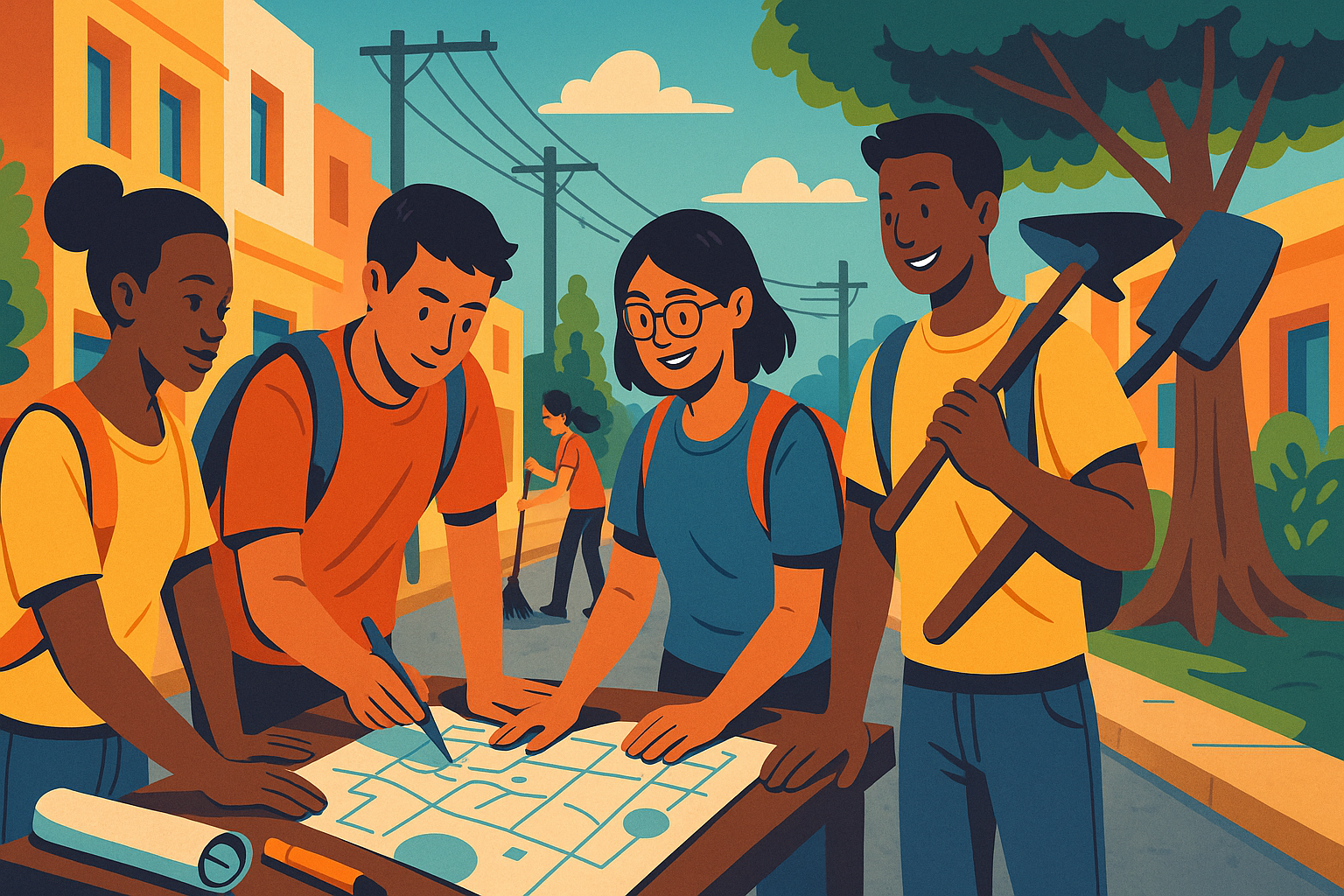
- Service Learning: Combining community service with educational goals enriches the learning experience. Students gain practical skills while contributing to their communities, fostering a sense of responsibility and civic engagement.
- Peer Teaching: Encouraging students to teach one another can reinforce their understanding of the material. This method not only benefits the learner but also enhances the teaching skills of the student acting as the educator.
- Experiential Learning: Hands-on experiences, such as field trips or internships, provide students with practical knowledge. This approach bridges the gap between theory and practice, making learning more relevant and engaging.
- Flexible Learning Environments: Creating adaptable classroom spaces can enhance student comfort and engagement. Flexible seating arrangements and varied learning stations cater to different learning styles and preferences.
- Social-Emotional Learning (SEL): Integrating SEL into the curriculum helps students develop essential life skills, such as empathy and resilience. Educators who prioritize SEL contribute to a positive school climate and improved academic outcomes.
- Continuous Professional Development: Ongoing training for teachers on new methods and technologies is crucial. Schools that invest in teacher growth often see improved student outcomes and a more dynamic classroom atmosphere.
Evaluating Educational Policies for Effective Change
Collaborative Learning: Encouraging group work fosters social skills and teamwork among students.
Evaluating Educational Policies for Effective Change
- Equitable Funding Models: Implementing policies that ensure equitable funding can significantly impact student success rates. Schools in low-income areas often struggle with inadequate resources, making equitable funding essential for leveling the playing field.
- Data-Driven Decision Making: Utilizing data to inform policy decisions can lead to more effective educational strategies. Regular analysis of student performance data helps identify successful initiatives and areas needing improvement.
- Teacher Involvement in Policy Making: Involving educators in the policy-making process ensures that their insights and experiences shape effective strategies. Teachers can provide valuable feedback on classroom challenges and potential solutions.
- Regular Policy Assessments: Continuous evaluation of educational policies is necessary to keep them relevant. Regular assessments can identify successful initiatives and areas needing adaptation, ensuring reforms are effective and sustainable.
- Community Engagement: Engaging parents and community members in educational policy discussions fosters collaboration and support. This involvement can lead to more comprehensive and effective educational strategies.
- Focus on Early Childhood Education: Prioritizing early education can have long-term benefits for students. Research shows that investments in early childhood education lead to improved academic outcomes and social skills.
- Support for Special Education: Ensuring adequate resources and training for special education teachers is crucial. Policies that support inclusive education benefit all students by promoting diversity and understanding.
- Accountability Measures: Implementing fair accountability measures ensures that schools are held responsible for student outcomes. However, these measures should be balanced with support and resources for improvement.
- Teacher Retention Strategies: Developing policies that support teacher retention can lead to a more stable and effective educational environment. Providing professional development and competitive salaries are essential for attracting and retaining quality educators.
- Focus on Mental Health Resources: Integrating mental health support into schools is vital for student well-being. Policies that prioritize mental health resources can improve overall student engagement and academic performance.
 Education & University Insights
Tamil Nadu Schools Close in Four Districts on October 21
The IMD issued orange alerts for nine districts and yellow alerts for the rest of Tamil Nadu, with heavy to very heavy rain forecast through…
Read More →Impact on Student Engagement Strategies
Impact on Student Engagement Strategies
- Safe and Inclusive Environments: Creating safe spaces in schools is fundamental to enhancing student engagement. Environments that promote psychological safety allow students to express themselves freely, particularly marginalized students who may feel alienated.
- Student Voice in Decision-Making: Involving students in decisions about their education fosters a sense of ownership and responsibility. This participatory approach can lead to higher motivation and better academic outcomes.
- Extracurricular Activities: Providing diverse extracurricular options can enhance student engagement. Activities that align with students’ interests promote a sense of community and belonging within the school.
- Mentorship Programs: Establishing mentorship opportunities connects students with role models. These relationships can inspire students and provide guidance, enhancing their educational experience.
- Parental Involvement: Encouraging parental engagement in school activities can boost student motivation and achievement. Schools that foster strong home-school connections often see improved student outcomes.
- Feedback Mechanisms: Implementing systems for student feedback allows schools to adapt to their needs. Regular feedback helps educators understand student perspectives and improve teaching methods.
- Celebrating Achievements: Recognizing student accomplishments fosters a positive school culture. Celebrations of academic and extracurricular successes can motivate students to strive for excellence.
- Collaborative Projects: Encouraging students to work together on projects enhances engagement and learning. Collaborative efforts promote teamwork and communication skills, essential for future careers.
- Flexible Learning Options: Offering various learning pathways allows students to choose what works best for them. Flexibility in learning can lead to increased engagement and satisfaction among students.
- Regular Check-Ins: Establishing routine check-ins with students can enhance their sense of belonging. These interactions provide opportunities for educators to support students’ emotional and academic needs.
In conclusion, expert recommendations for improving U.S. schools emphasize a multifaceted approach to reform. As the educational landscape continues to evolve, educators and policymakers must remain adaptable. The future of U.S. education may depend on how effectively these strategies are implemented and evaluated in the coming years.
Frequently Asked Questions
What innovative teaching methods can educators implement from the ranked ideas?
Educators can adopt project-based learning, flipped classrooms, and culturally responsive teaching. These methods enhance student engagement and learning outcomes by encouraging active participation and critical thinking.
How can education policy analysts evaluate the proposed changes?
Education policy analysts can assess changes by examining their impact on student performance, resource allocation, and teacher feedback. Continuous assessment and adaptation of policies are essential for effective change in education.
What should educators do to adapt to new educational strategies suggested by experts?
 Education & University Insights
Schools Promote Warm Clothing Amid Rising Energy Costs
As energy costs soar, Northern Ireland schools are advised to encourage students to wear warmer clothing. The Education Authority anticipates significant increases in gas and…
Read More →Educators should engage in ongoing professional development to learn about new teaching methods and technologies. Collaborating with peers and participating in training programs can help them implement these strategies effectively.
Collaborative efforts promote teamwork and communication skills, essential for future careers.
Sources: Democraticunderground, Popsci, Publicschoolreview.
Written by Career Ahead AI. AI can make mistakes, so verify key facts. Report errors to support@careeraheadonline.com.